


Ever wonder what separates a forgettable celebrity chat from a must-watch conversation that fans share everywhere? The difference often comes down to preparation, timing, and understanding what makes people open up. Whether you’re a budding journalist or just curious about the craft, there’s more to great interviews than asking questions and recording answers.
Entertainment interviews are unique because they involve creative professionals who are used to being on camera, but also wary of saying the wrong thing. The best interviewers know how to create a comfortable space where genuine moments can happen naturally. It’s not about catching someone off guard – it’s about building enough trust that they want to share something real.
Think about your favorite celebrity interviews. Chances are they felt authentic, maybe even surprising. That happens when the interviewer does their homework, listens actively, and knows when to pivot from the prepared questions. Sometimes the most memorable moments come from following an unexpected thread rather than sticking to a script.
The Foundation: Research and Preparation
Great interviews start long before anyone steps in front of a camera. Understanding your guest’s career, recent projects, and personal interests gives you context for meaningful questions. This means watching their films, listening to their music, or reading their books – not just skimming Wikipedia.
Preparation also involves researching the person’s background and current situation. Are they going through a career transition? Did they recently win an award or face public criticism? This context helps you ask questions that matter to them and their audience. Many successful interviewers spend hours preparing for a 30-minute conversation.
Technical preparation matters too. Testing equipment, planning the interview structure, and having backup questions ready prevents awkward pauses and technical glitches. When you’re confident in the logistics, you can focus on the human connection that makes interviews special.
Building Rapport Before Recording
The first few minutes of an interview often determine its success. Many great interviewers spend time chatting casually before hitting record, discussing shared interests or commenting on something in the room. This helps the guest relax and see you as a person rather than an interrogation device.
Body language plays a huge role. Maintaining eye contact, nodding appropriately, and showing genuine interest through your expressions encourages openness. Even simple things like offering water or asking about their travel to the studio can break down barriers.
Some interviewers share a bit about themselves or their connection to the guest’s work. This vulnerability often prompts reciprocal sharing. The goal is creating a mini-relationship where both people feel respected and heard, even if the conversation lasts only 20 minutes.
Crafting Questions That Spark Conversation
The best interview questions are open-ended and specific. Instead of “How was filming that movie?” try “What surprised you most about working with that director?” The second question invites a story rather than a one-word answer. It shows you’ve thought about their specific experience.
Avoid questions that can be answered with yes or no. Instead, use prompts like “Tell me about…” or “What was it like when…” These encourage detailed responses. Mix in some lighter questions to balance heavier topics and keep the energy flowing naturally.
Timing matters when asking sensitive questions. Build trust with easier questions first, then gradually move to more personal topics. Watch for verbal and non-verbal cues that indicate comfort levels. Sometimes the best approach is acknowledging the difficulty of a question before asking it.
The Art of Active Listening
Many interviewers make the mistake of thinking only about their next question while the guest is answering. This causes them to miss valuable follow-up opportunities. Active listening means fully focusing on what’s being said, noticing tone changes, and being ready to explore interesting tangents.
When you truly listen, you can ask clarifying questions or request examples that deepen the conversation. You might hear something that connects to a question you planned to ask later – being flexible enough to follow that thread often leads to the most compelling moments.
Non-verbal active listening includes appropriate reactions like laughter, surprise, or empathy. These responses make the guest feel heard and can encourage them to share more. Sometimes a well-timed “Wow” or “That must have been challenging” says more than another question.
Managing Difficult or Nervous Guests
Not every interview subject will be comfortable or cooperative. Some celebrities are naturally reserved, while others might be having a bad day. The key is adapting your approach without compromising the quality of the conversation.
For nervous guests, start with extremely easy questions about familiar topics. Praise their work genuinely and give them time to warm up. Avoid jumping between wildly different subjects, which can increase anxiety. Sometimes acknowledging their nervousness directly can help them relax.
With difficult guests who give short answers, try asking about specific details or requesting examples. “Can you walk me through that process?” often yields more than “Tell me about your process.” If someone seems defensive, back off sensitive topics and return to safer ground before trying again later.
Technical Considerations for Quality Interviews
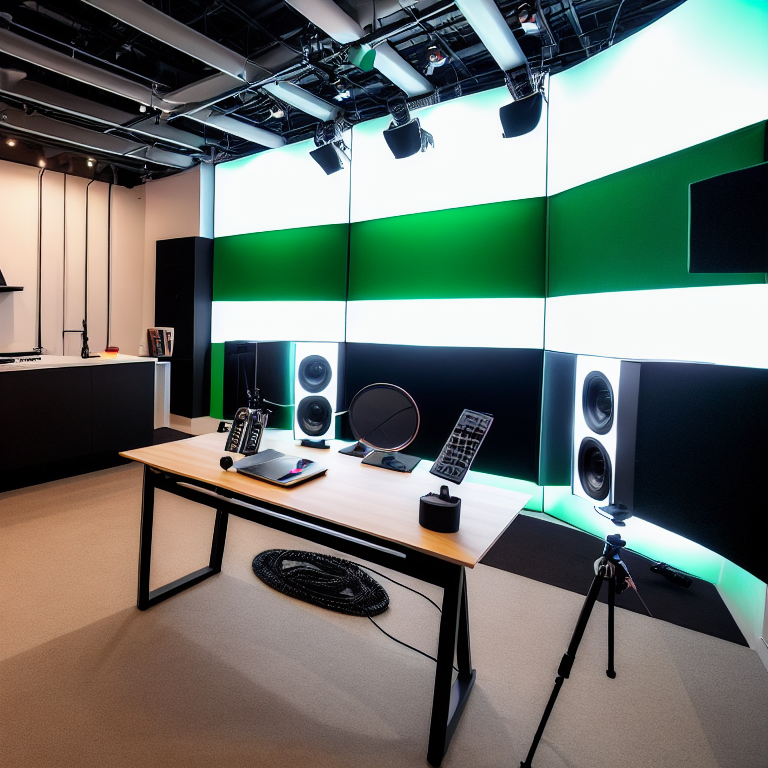
Good audio quality is non-negotiable for interviews. Background noise, echo, or poor microphone placement can ruin even the best conversation. Test your setup beforehand and have backup recording devices ready. Consider using lavalier microphones for both interviewer and guest to ensure clear sound.
Video interviews require attention to lighting and framing. Soft, even lighting is most flattering, while harsh overhead lights create unflattering shadows. Frame the shot so both subjects are visible but not centered – slightly off-center compositions often feel more natural.
For remote interviews via video call, ensure a stable internet connection and test the platform beforehand. Have a phone or backup connection ready in case of technical issues. Position your camera at eye level and look into it when speaking to create the feeling of direct eye contact.
Creating Shareable Moments
The most successful entertainment interviews often feature surprising revelations, emotional moments, or genuine laughter. These happen when guests feel safe enough to be vulnerable and when interviewers know how to create space for authenticity.
Sometimes the best moments come from unexpected directions. A casual comment about a childhood memory might lead to a touching story. A joke might reveal something deeper about their creative process. Being open to these detours while maintaining interview structure is a delicate balance.
Consider your audience when structuring the interview. Fans often want behind-the-scenes stories, personal insights, and genuine reactions rather than rehearsed talking points. But also respect the guest’s boundaries – pushing too hard for sensational content can damage trust and future interview opportunities.
Editing and Post-Production Magic
The interview you see or hear is rarely exactly what was recorded. Skilled editors remove awkward pauses, smooth transitions, and sometimes even entire sections that don’t serve the final piece. This process can transform a good conversation into a great one.
When editing, maintain the natural flow and energy of the conversation. Remove only what’s necessary – too much cutting can make the interview feel artificial. Consider adding relevant clips or images to enhance storytelling, especially for video interviews.
For written interviews, choose quotes that capture the essence of responses while maintaining accuracy. Sometimes paraphrasing can help clarify complex ideas, but always preserve the guest’s intended meaning. The goal is presenting their thoughts clearly while keeping their voice authentic.
Frequently Asked Questions
What’s the best way to prepare for an entertainment interview?
Research the guest’s recent work thoroughly, watch previous interviews to avoid repetition, and prepare a mix of serious and light questions. Also test all equipment beforehand and have backup plans for technical issues.
How do you handle it when a guest gives one-word answers?
Try asking more specific follow-up questions that require explanation, or ask them to provide examples. Sometimes acknowledging the short answer directly (“Tell me more about that”) can encourage elaboration.
Should I send questions to the guest beforehand?
This depends on your interview style and the guest’s preferences. Some guests appreciate having time to think about responses, while others prefer spontaneity. Consider the context and your relationship with the guest.
How long should a typical entertainment interview last?
Most successful interviews run 20-45 minutes. This gives enough time for depth without exhausting either party. Have extra questions ready but be prepared to end early if the conversation naturally concludes.
What’s the biggest mistake new interviewers make?
Focusing too much on their prepared questions instead of actively listening to answers. This causes them to miss valuable follow-up opportunities and makes the conversation feel robotic rather than natural.
How do you ask about sensitive topics without being offensive?
Build trust first with easier questions, acknowledge the sensitivity of the topic, and give the guest an easy way to decline answering. Sometimes the most respectful approach is letting them volunteer sensitive information rather than demanding it.
Conclusion
Great entertainment interviews are built on preparation, active listening, and genuine human connection. The best interviewers create spaces where guests feel comfortable sharing authentic stories and insights. Whether you’re conducting your first interview or looking to improve your skills, remember that the goal is meaningful conversation, not just collecting sound bites.
The techniques we’ve covered – from thorough research and rapport building to active listening and technical preparation – all serve one purpose: helping real conversations happen. When you focus on understanding your guest and creating a comfortable environment, the memorable moments will follow naturally. Keep practicing, stay curious, and don’t be afraid to let conversations take unexpected turns. That’s often where the magic happens.




Leave a Reply