


Music collaboration across genres has become one of the most exciting developments in the music industry. Artists from completely different musical backgrounds are coming together to create something new and unexpected. This trend has transformed how we experience music and has opened up creative possibilities that would have seemed impossible just a few decades ago.
When musicians from different genres work together, they bring their unique sounds, techniques, and fan bases into the mix. This creates a rich musical melting pot where hip-hop beats might blend with country storytelling, or electronic dance music could merge with classical orchestration. These collaborations often result in chart-topping hits that appeal to multiple audiences at once.
The process of cross-genre collaboration requires artists to step outside their comfort zones and learn from each other. A rock musician might discover new rhythmic patterns from a reggae artist, while a jazz singer could find inspiration in the vocal techniques of a pop star. This exchange of ideas helps musicians grow and develop their craft in ways they never imagined.
###CONTENT_START###
Music collaboration across genres has become one of the most exciting developments in the music industry. Artists from completely different musical backgrounds are coming together to create something new and unexpected. This trend has transformed how we experience music and has opened up creative possibilities that would have seemed impossible just a few decades ago.
When musicians from different genres work together, they bring their unique sounds, techniques, and fan bases into the mix. This creates a rich musical melting pot where hip-hop beats might blend with country storytelling, or electronic dance music could merge with classical orchestration. These collaborations often result in chart-topping hits that appeal to multiple audiences at once.
The process of cross-genre collaboration requires artists to step outside their comfort zones and learn from each other. A rock musician might discover new rhythmic patterns from a reggae artist, while a jazz singer could find inspiration in the vocal techniques of a pop star. This exchange of ideas helps musicians grow and develop their craft in ways they never imagined.
Why Artists Choose to Collaborate Across Genres
Artists collaborate across genres for many reasons, and the benefits are substantial. First, these partnerships allow musicians to reach new audiences who might not have discovered their music otherwise. When a country artist teams up with a rapper, they expose their music to each other’s fan bases, potentially gaining thousands of new listeners.
Creative growth is another major motivation. Working with artists from different musical backgrounds challenges musicians to think differently about their art. They might experiment with new instruments, vocal styles, or production techniques that they wouldn’t have tried on their own. This creative stretching often leads to breakthrough moments in an artist’s career.
Financial incentives also play a role. Cross-genre collaborations often generate more streams, downloads, and concert ticket sales because they appeal to multiple demographic groups. The music industry has noticed this trend and actively encourages these partnerships, knowing they tend to perform well commercially.
The Evolution of Cross-Genre Collaboration
The history of music shows that genre blending has always existed, but it has accelerated dramatically in recent years. In the past, musical styles were more isolated, with clear boundaries between genres. Rock stayed in its lane, country stuck to its roots, and hip-hop developed separately from other forms.
The digital revolution changed everything. With streaming platforms and social media, artists can easily discover and connect with musicians from completely different backgrounds. This accessibility has made cross-genre collaboration more common and more accepted by both artists and audiences.
Technology has also made it easier to blend different musical styles. Modern recording software allows producers to combine elements that would have been difficult or impossible to mix in the past. A beat made on a computer can now seamlessly integrate with acoustic instruments, creating hybrid sounds that defy traditional genre classification.
How Collaborations Happen in the Modern Music Industry
The process of cross-genre collaboration has changed significantly with technology. In the past, artists needed to be in the same studio to create music together. Today, they can collaborate remotely using digital audio workstations and file-sharing platforms. This means an artist in Nashville can work with a producer in London without ever meeting in person.
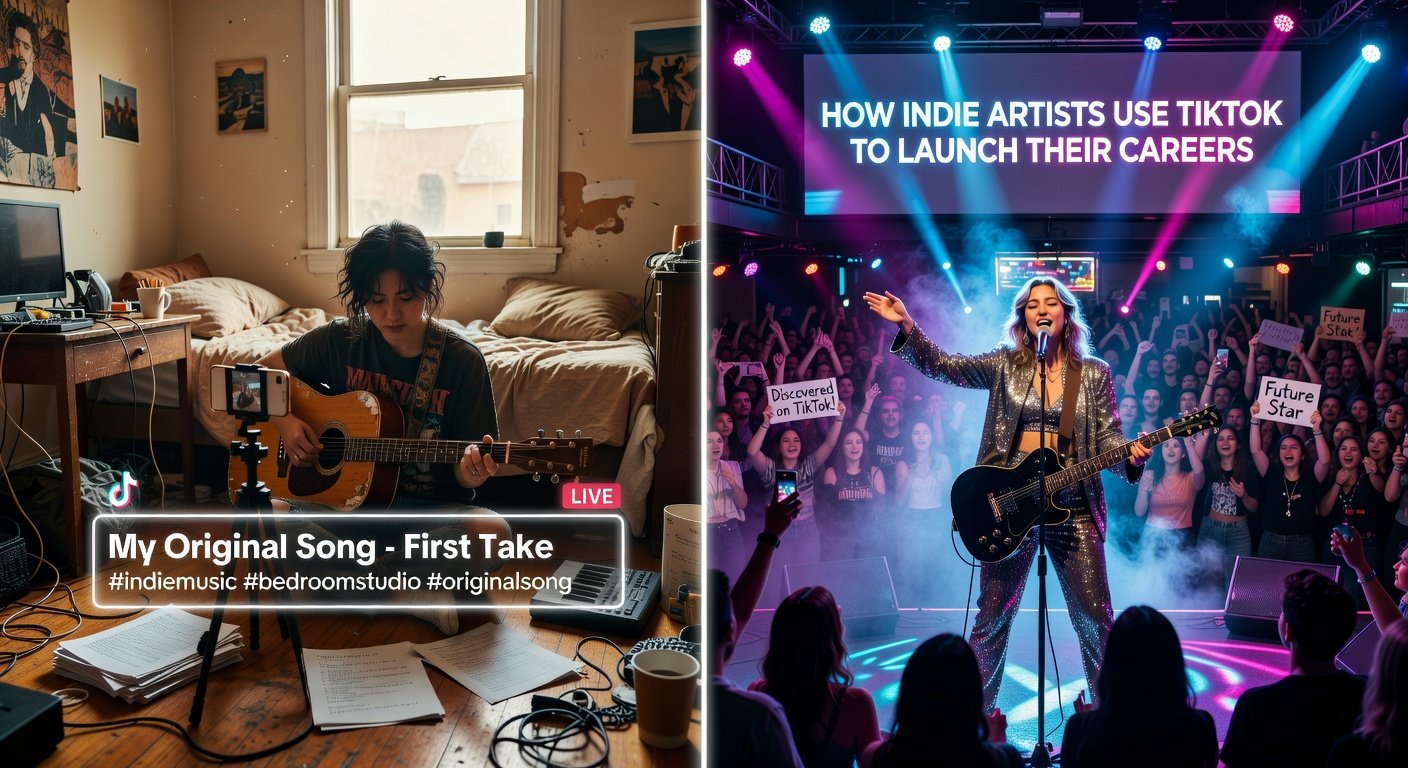
Social media platforms have become crucial networking tools for musicians seeking cross-genre partnerships. Artists often discover each other through Instagram, TikTok, or Twitter, leading to unexpected collaborations that might never have happened otherwise. A single viral video can spark a creative partnership between artists who live on opposite sides of the world.
Record labels and music managers now actively facilitate cross-genre collaborations. They recognize the commercial potential of these partnerships and often suggest them to their artists. Sometimes these suggestions lead to amazing creative chemistry, while other times they might feel forced or calculated.
Famous Examples of Successful Cross-Genre Collaborations
Some of the most memorable songs in recent music history have come from cross-genre collaborations. When Lil Nas X released “Old Town Road,” he created a perfect blend of country and hip-hop that became a global phenomenon. The song’s success showed how powerful genre-blending can be when done authentically.
Another standout example is the collaboration between Aerosmith and Run-DMC on “Walk This Way.” This partnership brought together rock and hip-hop in a way that had never been done before, helping to launch hip-hop into mainstream popularity. The song’s success proved that audiences were ready for genre-blending experiments.
More recently, artists like Post Malone have built entire careers on blending different genres. His music combines elements of hip-hop, rock, and pop, creating a sound that doesn’t fit neatly into any single category. This approach has resonated with millions of listeners who appreciate the fresh, genre-defying sound.
Challenges Artists Face When Collaborating Across Genres
While cross-genre collaboration offers many benefits, it also comes with challenges. One of the biggest hurdles is finding common ground between different musical styles. Artists must work to understand each other’s creative processes and find ways to blend their sounds without losing what makes each genre unique.
Cultural differences can also create challenges. Different genres often come with different traditions, values, and ways of working. A classical musician might be used to precise notation and structured rehearsals, while a jazz artist might prefer improvisation and spontaneous creativity. Finding a balance between these different approaches takes patience and communication.
There’s also the risk of alienating existing fans. Some listeners are very loyal to specific genres and might not appreciate when their favorite artists experiment with different styles. Artists must navigate this carefully, finding ways to innovate while still respecting the core elements that attracted their original fan base.
The Impact on Music Production and Technology
Cross-genre collaboration has pushed music production technology forward in exciting ways. Producers now need tools that can handle a wide range of sounds, from acoustic instruments to electronic beats. This has led to the development of more versatile recording software and hardware that can accommodate different musical styles.
Virtual instruments and digital effects have made it easier than ever to blend genres. A producer can now add realistic string sounds to a hip-hop track or incorporate electronic elements into an acoustic folk song with just a few clicks. This technological flexibility has opened up endless creative possibilities for cross-genre experimentation.
The rise of home recording studios has also impacted cross-genre collaboration. Artists can now create professional-quality recordings without expensive studio time, making it easier for musicians from different backgrounds to work together. This democratization of music production has led to more diverse and experimental collaborations.
How Cross-Genre Collaboration Affects Live Performances
When artists collaborate across genres, their live performances often become more dynamic and engaging. A concert that might have featured just one style of music can now showcase a variety of sounds and techniques, keeping audiences excited and entertained throughout the show.
Stage production has evolved to accommodate cross-genre performances. Lighting, visuals, and stage design now need to work for multiple musical styles, creating more elaborate and creative concert experiences. Artists might incorporate elements from different genres into their stage presence, creating a unique visual identity that matches their blended sound.
Festival lineups have also changed to reflect the popularity of cross-genre collaboration. Many modern music festivals feature artists who blend multiple styles, creating diverse lineups that appeal to a wide range of musical tastes. This approach has helped festivals attract larger and more diverse audiences.
The Future of Cross-Genre Collaboration
The trend toward cross-genre collaboration shows no signs of slowing down. As music continues to evolve, we can expect to see even more creative partnerships between artists from different backgrounds. The boundaries between genres are becoming increasingly blurred, and new hybrid styles are constantly emerging.
Technology will likely play an even bigger role in future collaborations. Virtual reality and augmented reality could allow artists to perform together in digital spaces, regardless of their physical locations. Artificial intelligence might help suggest creative combinations or assist in the production process, leading to new forms of cross-genre experimentation.
Global influences will also continue to shape cross-genre collaboration. As the world becomes more connected, artists from different countries and cultures are finding new ways to blend their musical traditions. This global exchange is creating exciting new sounds that combine elements from multiple cultural backgrounds.
How Fans Respond to Cross-Genre Collaborations
Music fans have generally embraced cross-genre collaborations, especially younger listeners who grew up with access to all types of music through streaming services. These listeners often don’t think in terms of strict genre categories and are more open to artists who blend different styles.
Social media has amplified fan responses to cross-genre collaborations. When artists from different genres team up, their fans often engage in lively discussions online, sharing their thoughts and excitement about the new music. This online buzz can help collaborations reach even wider audiences.
Some fans might be skeptical of cross-genre collaborations, especially if they feel the partnership is purely commercial rather than artistic. However, when collaborations feel authentic and creative, most listeners appreciate the opportunity to experience something new and different from their favorite artists.
The Business Side of Cross-Genre Collaboration
From a business perspective, cross-genre collaborations make a lot of sense. They often generate more streams, downloads, and social media engagement than traditional single-genre releases. Record labels and streaming platforms recognize this and actively promote collaborations that blend different musical styles.
Marketing cross-genre collaborations requires a different approach than marketing traditional releases. Instead of targeting just one demographic, labels must create campaigns that appeal to multiple audiences. This often involves coordinated social media campaigns, playlist placements, and strategic release timing.
The financial success of cross-genre collaborations has led to more investment in these types of projects. Artists might receive larger budgets for collaborative work, and labels might be more willing to take creative risks when they see the potential for commercial success.
How to Start Collaborating Across Genres
For artists interested in cross-genre collaboration, the first step is to be open to new musical experiences. This might mean listening to genres you’ve never explored before or attending concerts outside your usual musical preferences. Building a broad musical vocabulary helps when it comes time to collaborate.
Networking is crucial for finding collaboration opportunities. This can happen through social media, music industry events, or even casual encounters with other musicians. The key is to be genuine in your interactions and focus on finding creative connections rather than just chasing trends.
When you do find a potential collaboration partner, take time to understand their creative process and musical background. Successful cross-genre collaborations often happen when artists respect each other’s expertise and are willing to learn from different approaches to making music.
The Role of Music Education in Cross-Genre Collaboration
Music education programs are increasingly recognizing the importance of cross-genre understanding. Many schools now teach students about multiple musical styles, helping them develop the versatility needed for modern music careers. This broader education prepares musicians for the collaborative nature of today’s music industry.
Private music teachers are also adapting their approaches to include multiple genres. A guitar teacher might incorporate jazz, rock, and classical techniques into their lessons, helping students become more versatile musicians. This well-rounded education makes it easier for artists to collaborate across genre boundaries later in their careers.
Online learning platforms have made it easier than ever to study different musical styles. Musicians can now take lessons in various genres from teachers around the world, expanding their musical knowledge and making cross-genre collaboration more accessible.
How Technology Enables Cross-Genre Collaboration
Modern technology has revolutionized how artists collaborate across genres. Digital audio workstations allow musicians to record and edit their parts separately, then combine them seamlessly. This means artists don’t need to be in the same location or even working at the same time to create collaborative music.
Cloud-based collaboration tools have made remote work even easier. Musicians can share project files, leave comments, and work on the same song from different locations. This technology has been especially valuable during times when in-person collaboration wasn’t possible.
Social media and music sharing platforms have also played a crucial role. Artists can now easily discover and connect with musicians from different genres, share their work for feedback, and build audiences that appreciate cross-genre experimentation.
The Cultural Impact of Cross-Genre Collaboration
Cross-genre collaboration has had a significant impact on music culture. It has helped break down the barriers between different musical communities, creating a more inclusive and diverse music scene. This cultural shift has influenced everything from radio programming to music festival lineups.
These collaborations have also helped introduce different cultural traditions to new audiences. When a Western artist incorporates elements from African or Asian music, they’re sharing those cultural sounds with listeners who might never have encountered them otherwise. This cultural exchange enriches the global music landscape.
The success of cross-genre collaboration has also influenced how we think about musical identity. Many artists now describe their music as a blend of influences rather than belonging to a single genre. This more fluid approach to musical identity reflects the increasingly interconnected nature of our global culture.
How Cross-Genre Collaboration Influences Music Trends
Cross-genre collaborations often set new trends in the music industry. When a successful collaboration blends two styles in an innovative way, other artists often take notice and experiment with similar combinations. This can lead to the emergence of new sub-genres or the evolution of existing ones.
Streaming data and social media engagement help identify successful cross-genre experiments quickly. When a collaboration gains traction, it often inspires similar projects, creating waves of genre-blending activity across the industry. This rapid trend identification and adoption is unique to our digital age.
The influence of cross-genre collaboration extends beyond just musical style. It often affects fashion, visual aesthetics, and even the way artists present themselves to the public. Successful collaborations can create new cultural touchstones that influence multiple aspects of popular culture.
Conclusion
Cross-genre collaboration has transformed the music industry in profound ways. What started as occasional experiments has become a driving force in modern music, creating exciting new sounds and bringing artists and audiences together in unexpected ways. The success of these collaborations shows that music fans are hungry for innovation and willing to embrace artists who push creative boundaries.
As technology continues to evolve and the world becomes more connected, we can expect cross-genre collaboration to become even more common and more creative. The future of music likely belongs to artists who can blend different styles authentically and create something truly unique. Whether you’re a musician looking to collaborate or a fan eager to discover new sounds, the world of cross-genre music offers endless possibilities for exploration and enjoyment.





Leave a Reply