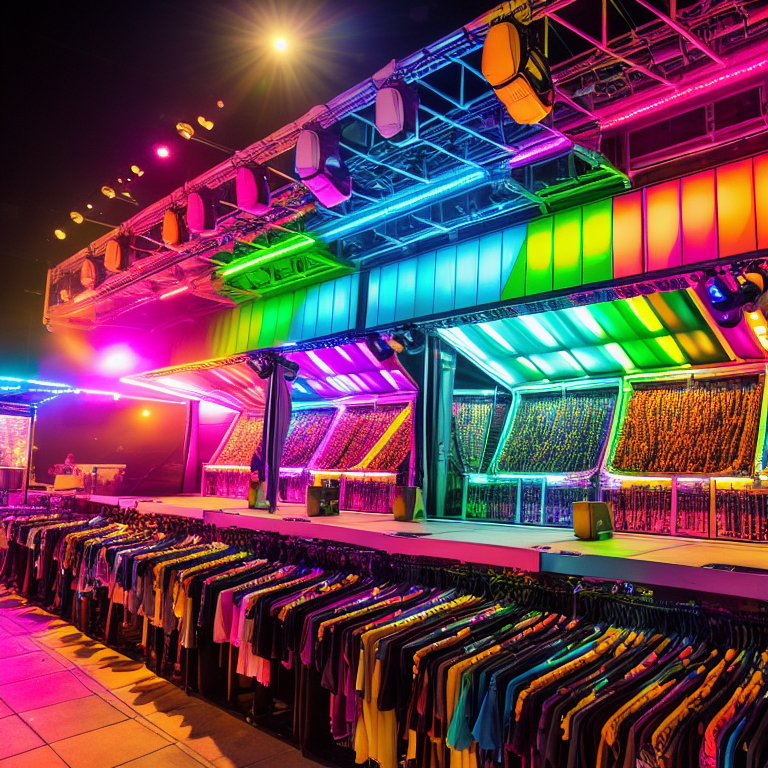
Music merchandise used to be simple. You’d go to a concert, maybe buy a t-shirt or poster on your way out, and that was pretty much it. Today, music merchandise has become a massive industry where artists create entire product lines, limited edition drops, and even lifestyle brands that go far beyond concert halls.
The way artists sell merchandise has completely changed. What started as basic band tees and CDs has evolved into sophisticated marketing strategies that generate millions in revenue and help artists connect with fans in new ways. This transformation didn’t happen overnight, but it’s been fascinating to watch how music merchandise strategies have grown and adapted to changing times.
The Humble Beginnings of Music Merchandise
Back in the day, music merchandise was pretty straightforward. Artists would sell simple items like t-shirts, buttons, and posters at concerts. These were basic promotional tools that helped spread awareness about the band while giving fans something tangible to remember the experience.
The classic band t-shirt became a cultural icon. People wore them not just to concerts but as everyday fashion statements. This was the first step in merchandise becoming more than just souvenirs – they became walking advertisements and symbols of identity.
Early merchandise strategies were limited by technology and distribution. Artists relied on touring to sell products, and inventory was often basic screen-printed designs on cotton shirts. The profit margins were decent, but the scale was small compared to today’s operations.
The CD Era and Bundling Strategies
When CDs became popular, merchandise strategies expanded significantly. Artists started bundling physical albums with special items like posters, stickers, or exclusive photos. This bundling approach gave fans more value and helped boost album sales.
Record stores became important retail partners, displaying merchandise alongside new releases. Some artists created elaborate CD packaging with special artwork or bonus content that made the physical product more appealing in an increasingly digital world.
This era also saw the rise of fan clubs that offered exclusive merchandise to members. These clubs created a sense of community while providing artists with a direct sales channel. Members would get early access to tour tickets, special edition items, and newsletters that kept them connected to the artist.
The Digital Revolution Changes Everything
The internet completely transformed how artists approach merchandise. Suddenly, artists could sell directly to fans worldwide without relying on physical stores or touring schedules. Websites became virtual merchandise stores that operated 24/7.
Digital downloads changed the economics of music, pushing artists to find new revenue streams. Merchandise became more important than ever as a way to monetize the fan relationship. Artists started treating merchandise like a fashion line rather than just concert souvenirs.
Social media amplified this shift dramatically. Artists could showcase new merchandise to millions of followers instantly. Platforms like Instagram and TikTok became virtual runways for new product launches. This direct connection with fans allowed for immediate feedback and created hype around new releases.
Limited Edition Drops and FOMO Marketing
One of the biggest changes in recent years has been the adoption of limited edition merchandise strategies. Artists now create artificial scarcity by releasing small batches of exclusive items that sell out quickly. This creates excitement and makes fans feel like they’re part of something special.
These drops often coincide with album releases, music videos, or special events. The timing creates natural marketing moments that drive traffic and sales. Fans know they have to act fast or miss out, which increases demand and creates buzz on social media.
Some artists have mastered the art of the merchandise drop. They use countdowns, teaser posts, and exclusive previews to build anticipation. When the drop happens, it often sells out within minutes, creating headlines and driving even more interest for the next release.
Fashion Collaborations and High-End Merchandise
Music merchandise has entered the fashion world in a big way. Artists are partnering with major fashion brands to create high-end merchandise collections. These collaborations bring together music and fashion audiences, expanding reach and credibility.
Luxury brands have also embraced music artists as collaborators. We’ve seen musicians design collections for major fashion houses or create their own luxury merchandise lines. These products often feature premium materials and sophisticated designs that appeal to fashion-conscious consumers.
The quality of merchandise has improved dramatically. Instead of basic screen printing, artists now offer embroidered designs, sustainable materials, and innovative production techniques. This upgrade in quality has helped merchandise transition from simple souvenirs to desirable fashion items.
Direct-to-Consumer Brands and E-Commerce
Many successful artists have created their own merchandise brands that operate independently of their music careers. These brands have their own websites, marketing strategies, and product lines that extend far beyond traditional music merchandise.
E-commerce platforms have made it easier than ever to launch and manage merchandise businesses. Artists can handle inventory, shipping, and customer service through integrated systems. This control allows for better profit margins and more creative freedom in product development.
Some artists have even created separate business entities for their merchandise operations. These companies employ designers, marketers, and operations staff to manage what has become a significant business venture. The merchandise brand can sometimes become more valuable than the music itself.
Sustainability and Ethical Production
Modern consumers care about where and how products are made. This has pushed artists to consider sustainability in their merchandise strategies. Many now offer eco-friendly options like organic cotton shirts, recycled materials, and plastic-free packaging.
Ethical production has also become important. Fans want to know that merchandise is made under fair working conditions. Artists who prioritize ethical sourcing and manufacturing often highlight these efforts in their marketing, appealing to socially conscious consumers.
Some artists have gone further by creating merchandise that supports specific causes. Limited edition items might benefit environmental organizations, social justice initiatives, or community projects. This approach turns merchandise into a tool for positive impact while deepening fan engagement.
The Future of Music Merchandise
The future of music merchandise looks incredibly exciting. Technology continues to open new possibilities for how artists connect with fans through products. From augmented reality experiences to blockchain-verified limited editions, the next wave of merchandise strategies is already emerging.
Virtual merchandise for online concerts and metaverse experiences represents a new frontier. Fans can now buy digital items that their avatars can wear or display in virtual spaces. This creates entirely new revenue streams and ways to express fandom.
Personalization is likely to become even more important. Fans may be able to customize merchandise with their names, choose specific colors or designs, or even create entirely unique items. This level of customization strengthens the personal connection between artist and fan.
Building Fan Communities Through Merchandise
Merchandise has become a powerful tool for building and maintaining fan communities. When fans wear or use artist merchandise, they signal their belonging to a group. This creates instant connections between strangers who share musical interests.
Online communities often form around merchandise collecting. Fans trade items, discuss upcoming releases, and share photos of their collections. These communities extend the fan experience beyond just listening to music and create lasting relationships.
Artists who understand this community aspect often design merchandise that encourages interaction. This might include items that work together as a collection, pieces that reference inside jokes or song lyrics, or products that create shared experiences among fans.
Measuring Success in Modern Merchandise Strategies
Success in music merchandise isn’t just about sales numbers anymore. Artists and their teams track engagement metrics, social media mentions, and brand sentiment. They analyze which products generate the most excitement and which strategies drive the strongest fan connections.
Data analytics help artists understand their audience better. They can see which demographics respond to different products, what price points work best, and when fans are most likely to make purchases. This information guides future merchandise decisions and marketing strategies.
The most successful artists view merchandise as part of their overall brand strategy rather than just a revenue stream. They consider how each product fits their artistic vision and strengthens their relationship with fans. This holistic approach often leads to more authentic and successful merchandise lines.
Technology Integration in Merchandise
Technology has revolutionized how merchandise is designed, produced, and sold. 3D printing allows for complex designs that weren’t possible with traditional manufacturing. Digital design tools enable rapid prototyping and iteration of new ideas.
Inventory management systems help artists avoid overproduction and reduce waste. These systems can predict demand based on historical data and current trends, ensuring popular items stay in stock while minimizing excess inventory.
Mobile apps and websites have made shopping for merchandise more convenient than ever. Fans can browse, customize, and purchase items from anywhere in the world. Some artists even offer virtual try-on features that let fans see how merchandise will look before buying.
Frequently Asked Questions
What makes music merchandise successful today?
Successful music merchandise combines quality products with authentic artist involvement and smart marketing. It needs to resonate with the artist’s brand while offering fans something they genuinely want to own and wear. Limited availability, unique designs, and sustainable practices also contribute to success.
How much money can artists make from merchandise?
Top artists can earn millions annually from merchandise sales. While the exact amounts vary widely based on the artist’s popularity and business model, merchandise often represents a significant portion of an artist’s income, sometimes rivaling or exceeding music streaming revenue.
Why do artists create limited edition merchandise?
Limited edition merchandise creates excitement and urgency among fans. It makes items more desirable because they’re exclusive and may increase in value over time. This strategy also helps artists test new designs without committing to large production runs.
How has social media changed music merchandise?
Social media has transformed merchandise from a touring sideline into a major business. Artists can showcase products to millions instantly, create hype through teaser campaigns, and get immediate feedback from fans. Social platforms also enable direct-to-consumer sales and global reach.
What’s the difference between traditional and modern merchandise strategies?
Traditional strategies focused on basic items sold at concerts with limited designs. Modern strategies involve sophisticated branding, limited edition drops, high-quality materials, e-commerce operations, and merchandise that extends beyond traditional items into lifestyle products and digital goods.
Conclusion
The evolution of music merchandise strategies shows how artists have adapted to changing technology, consumer preferences, and business realities. What started as simple band t-shirts has grown into sophisticated brand operations that generate significant revenue and deepen fan connections.
Today’s successful artists understand that merchandise is more than just a way to make money – it’s a powerful tool for building community, expressing artistic vision, and creating lasting relationships with fans. As technology continues to evolve and consumer expectations change, merchandise strategies will undoubtedly keep transforming.
The future of music merchandise looks bright, with new technologies and creative approaches opening exciting possibilities. Whether it’s through sustainable products, virtual goods, or personalized experiences, artists who continue to innovate in their merchandise strategies will find new ways to connect with fans and build their brands.
The most important lesson from this evolution is that successful merchandise strategies come from understanding fans deeply and creating products that genuinely add value to their lives. When artists achieve this balance, merchandise becomes more than just products – it becomes a meaningful part of the fan experience.
If you’re interested in learning more about building your own brand presence, check out our guide on how to build a portfolio that gets noticed. For creators looking to improve their content, our DIY video editing tips for YouTube creators can help take your visuals to the next level. And if you’re curious about how social media continues to reshape entertainment, read about how social media changed celebrity interviews forever.