Author: probloggerpk1@gmail.com

  • Indie Films That Perfectly Capture Small-Town Life

    Small towns have a magic all their own – that mix of tight-knit community, quiet moments, and hidden dramas that play out under the radar of big-city life. Indie filmmakers have long been drawn to these settings, finding rich storytelling ground in the familiar rhythms and secrets of small-town America. These films capture something authentic about life where everyone knows your name, the local diner is the center of the universe, and big dreams often come with small-town complications.

    What makes indie films so perfect for exploring small-town life? They work with smaller budgets, which means they can’t rely on flashy special effects or massive sets. Instead, they focus on character development, authentic dialogue, and the subtle tensions that exist in close communities. The best indie films about small towns feel like you’re peeking through someone’s window – intimate, honest, and sometimes uncomfortably real.

    Let me share some indie films that nail the small-town experience in ways that will make you laugh, cry, and maybe see your own hometown in a new light.

    The Power of Place in Indie Storytelling

    Indie filmmakers understand that location isn’t just a backdrop – it’s practically a character itself. Small towns provide built-in limitations that force creative storytelling. When your characters can’t just disappear into a crowd or escape to the anonymity of a big city, every interaction carries more weight. The physical isolation of small towns creates emotional isolation too, perfect for exploring themes of belonging, escape, and identity.

    These films often use real locations rather than studio sets, giving them an authenticity that resonates with viewers. You can practically smell the diner coffee and feel the humidity of a summer night in these movies. The pacing tends to be slower, matching the rhythm of small-town life where nothing happens quickly except gossip.

    Character-Driven Stories That Feel Real

    In small towns, everyone knows everyone’s business, and indie films capture this dynamic brilliantly. The characters feel like people you might actually meet – the high school football coach who never left town, the waitress with dreams of the big city, the elderly neighbor who remembers when the main street was thriving. These aren’t superheroes or spies; they’re ordinary people dealing with ordinary problems that feel monumental in a small-town context.

    The dialogue in these films often has a natural rhythm that sounds like actual conversation. No one’s giving speeches or delivering perfect one-liners. Instead, you get the awkward pauses, the unfinished thoughts, and the way people in small towns often talk around what they really mean.

    Coming of Age in a Fishbowl

    Several classic indie films explore what it’s like to grow up in a place where your mistakes are never really private. Lady Bird (though technically set in Sacramento, which has small-town qualities despite being a city) captures that feeling of being trapped in a place you’re desperate to escape. The Spectacular Now shows how teenage drama feels amplified when there’s nowhere to hide.

    These coming-of-age stories work so well in small-town settings because the limited options and watchful eyes of the community create natural tension. Every party, every relationship, every bad decision becomes community knowledge within hours. The pressure to conform while simultaneously wanting to break free drives many of these narratives.

    The Weight of History and Tradition

    Small towns are often built on layers of history that indie films explore beautifully. The Last Picture Show captures a dying Texas town where the past glory is fading but still casts a long shadow. The traditions, the old wounds, the stories that get told and retold – these create a sense of place that feels lived-in and real.

    These films often deal with how younger generations relate to the history of their town. Do they embrace it, rebel against it, or try to escape it entirely? The answer varies, but the tension between past and future drives many small-town indie narratives.

    Community as Both Comfort and Prison

    One of the most fascinating aspects indie films explore is how small towns can be both incredibly supportive and incredibly stifling. The Station Agent shows how a tight-knit community can embrace an outsider, while also highlighting how difficult it is to maintain privacy. The Way Way Back captures that summer feeling where the community pool becomes the center of the universe.

    These films understand that in small towns, your support system is always there – but so is your audience. Need help? Someone will be there in minutes. Want to try something new? Everyone will have an opinion about it by dinner. This dual nature creates perfect dramatic tension.

    Economic Realities and Small-Town Survival

    Many indie films don’t shy away from the economic challenges facing small towns. Frozen River explores the desperate choices people make when traditional ways of making a living disappear. Winter’s Bone shows the harsh realities of rural poverty and the complicated family obligations that come with it.

    These films often deal with how global economic changes impact local communities. The factory closing, the main street businesses shutting down, the young people leaving – these are real issues that indie filmmakers tackle with honesty and nuance.

    The Outsider’s Perspective

    Sometimes the most insightful views of small-town life come from characters who don’t quite fit in. In Paterson, the main character is an artist in a working-class town, finding beauty in the mundane. Breaking Away explores class tensions in a college town where locals feel overshadowed by the university.

    These outsider perspectives allow the films to examine small-town life with fresh eyes, noticing details that lifelong residents might take for granted. They also create natural conflict and character development as the outsider either finds their place or decides to leave.

    Family Dynamics Under a Microscope

    In small towns, family reputation matters enormously, and indie films explore this dynamic with fascinating complexity. The Squid and the Whale shows how divorce plays out in a tight-knit Brooklyn community that functions like a small town. Little Miss Sunshine captures a dysfunctional family road trip that feels both hilarious and painfully real.

    These films understand that in small towns, family drama isn’t private – it becomes community property. The pressure to maintain appearances while dealing with internal chaos creates rich storytelling opportunities.

    Finding Beauty in the Ordinary

    Perhaps the greatest strength of indie films about small towns is their ability to find extraordinary moments in ordinary lives. Junebug shows the beauty and complexity of a Southern family reunion. The Straight Story proves that a simple journey across rural America can be profoundly moving.

    These films remind us that small-town life, while sometimes limiting, also offers moments of connection and beauty that can be easily missed in the rush of big-city living. They find poetry in the everyday – the way light hits a diner at sunset, the sound of cicadas on a summer night, the comfort of familiar faces.

    Frequently Asked Questions About Indie Small-Town Films

    What makes a film “indie” versus mainstream?

    Indie films are typically produced outside the major studio system, with smaller budgets and more creative control for the filmmakers. They often focus on character-driven stories and take more risks with subject matter and style than mainstream Hollywood productions.

    Why do so many indie films take place in small towns?

    Small towns provide natural limitations and tensions that create compelling drama without requiring big budgets. The close-knit community dynamics, limited opportunities, and strong sense of place offer rich storytelling ground that indie filmmakers excel at exploring.

    Are these films realistic portrayals of small-town life?

    While every film takes some creative liberties, many indie small-town films are praised for their authenticity. Filmmakers often spend time in the locations they portray, working with local actors and incorporating real details that resonate with viewers from similar communities.

    Which indie small-town film should I watch first?

    It depends on your interests, but The Station Agent is often recommended as an accessible entry point – it’s warm, funny, and moving without being heavy-handed. For something more challenging, Winter’s Bone offers a powerful look at rural American life.

    Do I need to live in a small town to appreciate these films?

    Not at all. While people from small towns might recognize specific details, the themes of community, belonging, and personal growth are universal. These films often resonate strongly with anyone who’s ever felt like an outsider or dreamed of somewhere else.

    Are there international indie films that capture small-town life?

    Absolutely! Films like Cinema Paradiso (Italy), Whale Rider (New Zealand), and The Lunchbox (India) capture small-town or close-community dynamics in different cultural contexts, showing how these themes translate across the world.

    Conclusion

    Indie films about small towns offer something increasingly rare in our fast-paced, disconnected world – a chance to slow down and really look at people’s lives. They remind us that everyone has a story, that community matters, and that sometimes the biggest dramas happen in the smallest places. These films don’t just show us small towns; they help us understand the human connections that make any place feel like home.

    Whether you’re from a small town yourself or just curious about life outside the big city, these indie gems offer authentic, moving, and often surprising glimpses into communities where everyone knows your name – for better or worse. They prove that you don’t need a huge budget or famous actors to tell powerful, universal stories. Sometimes all you need is a small town and the courage to really look at what’s happening there.

    The next time you’re browsing for something to watch, consider giving one of these small-town indie films a chance. You might be surprised at how much of yourself you see in characters living lives that seem completely different from your own. That’s the magic of good storytelling – it helps us recognize our shared humanity, whether we’re in a bustling metropolis or a town with one traffic light.


  • How to Support Independent Filmmakers Without Spending a Dime

    How to Support Independent Filmmakers Without Spending a Dime

    You love movies, especially those unique stories that don’t come from big Hollywood studios. Independent filmmakers create amazing films with limited budgets, but they need your help to succeed. The good news? You can support these creative artists without spending any money at all.

    Independent filmmakers face huge challenges. They often work with tiny budgets, use personal equipment, and rely on passion rather than big studio backing. Your support means everything to them, and you can make a real difference through simple actions that cost nothing.

    Share Their Work Everywhere You Can

    When you discover an independent film you enjoy, sharing becomes your superpower. Post about it on your social media accounts, tell your friends, and recommend it to family members. Every share counts as free advertising that helps filmmakers reach new audiences.

    Social media changed how we discover entertainment forever. Independent filmmakers now use platforms like Instagram, TikTok, and Twitter to connect directly with viewers. When you share their content, you’re helping them build the audience they need to create more films.

    Consider creating short video reactions or reviews. Your authentic excitement about a film can inspire others to watch it. Film creators notice when viewers take time to share their thoughts, and this feedback helps them improve future projects.

    Leave Honest Reviews and Ratings

    Online reviews make a huge difference for independent films. When you watch a movie on platforms like YouTube, Vimeo, or streaming services, take a few minutes to leave a rating and brief review. Your honest feedback helps other viewers decide what to watch and boosts the film’s visibility in search results.

    Reviews also help filmmakers understand what audiences enjoy. They use this feedback to improve their storytelling skills and create better films in the future. Even a simple “I really enjoyed this!” or “Great characters and story” can make a filmmaker’s day.

    Many independent films struggle to get noticed among thousands of other options. Your reviews help them stand out and attract more viewers who might become fans of their work.

    Join Online Communities and Discussions

    Independent filmmakers often participate in online forums, Facebook groups, and Reddit communities. Join these spaces to discuss films, ask questions, and share your thoughts. Your participation helps create buzz around independent cinema and connects filmmakers with potential viewers.

    These communities are great places to discover new films you might never find otherwise. When you engage in discussions, you’re helping build a supportive network that benefits everyone involved in independent filmmaking.

    Some filmmakers host Q&A sessions or behind-the-scenes discussions in these groups. Your questions and comments show them that people care about their work and want to learn more about the creative process.

    Volunteer Your Skills and Time

    Do you have any creative skills? Graphic design, writing, photography, or social media management? Independent filmmakers often need help with promotional materials, website updates, or marketing their films.

    Graphic design skills can help create movie posters, social media graphics, or promotional materials. Even basic design knowledge can be valuable. If you’re interested in learning more about design, check out tips for improving your graphic design skills.

    You could also help with research, organize screening events, or assist with film festival submissions. Every bit of help frees up the filmmaker to focus on creating their art.

    Attend Virtual Screenings and Events

    Many independent filmmakers host online screenings, Q&A sessions, or virtual film festivals. Attend these events when you can. Your presence shows support and helps create an engaged audience that filmmakers can build upon.

    During these events, participate in discussions, ask thoughtful questions, and share your experience on social media. This creates momentum that helps the film reach more people and builds excitement around the filmmaker’s work.

    Some virtual events also include networking opportunities where you can connect with other film enthusiasts and potentially discover more independent projects to support.

    Create Fan Content and Art

    If you’re creative, consider making fan art, writing reviews, or creating video essays about independent films you love. This type of content helps promote the film to new audiences and shows filmmakers that their work resonates with viewers.

    You could create simple graphics using tools like Canva to make professional-looking designs that promote the film. Share your creations on social media and tag the filmmakers so they can see your support.

    Fan content also helps build a community around the film. When other fans see your enthusiasm, they might create their own content, creating a positive cycle of support and promotion.

    Help with Research and Feedback

    Independent filmmakers often need help with research or testing their ideas. You could participate in surveys, provide feedback on early drafts, or help with location scouting. Your input can be valuable even if you don’t have formal film training.

    Some filmmakers look for test audiences to watch rough cuts and provide feedback. This helps them improve the final product before wider release. Your honest opinions about what works and what doesn’t can be incredibly helpful.

    You might also help research film festivals, distribution options, or potential funding sources. This type of support saves filmmakers time and helps them make better decisions about their projects.

    Spread the Word Offline

    Don’t forget about traditional word-of-mouth recommendations. Tell your friends and family about great independent films you’ve discovered. Host small viewing parties where you can share films with others in person.

    Create a book club-style discussion group for independent films. Meet regularly to watch and discuss different films, creating a community of people who appreciate independent cinema.

    Recommend films to local libraries, community centers, or schools. Many of these organizations are looking for quality content to share with their communities and might be interested in screening independent films.

    Support Their Crowdfunding Campaigns

    While this article focuses on free support methods, you might encounter crowdfunding campaigns for projects you really love. Even if you can’t contribute financially, you can help by sharing the campaign with your network, leaving encouraging comments, and helping spread awareness.

    Many successful crowdfunding campaigns rely heavily on social sharing rather than just financial contributions. Your shares and recommendations can help campaigns reach their funding goals.

    Frequently Asked Questions (FAQ)

    How can I find independent films to support?

    Look for film festivals online, follow independent filmmakers on social media, join film discussion groups, and check platforms like Vimeo, YouTube, and independent film websites. Many filmmakers also have websites where they share their work.

    What’s the best way to contact independent filmmakers?

    Most filmmakers list their preferred contact methods on their websites or social media profiles. Start by following them on social media and engaging with their content. Many are happy to connect with fans who show genuine interest in their work.

    How important are online reviews for independent films?

    Online reviews are crucial for independent films. They help with visibility in search results, provide social proof for potential viewers, and give filmmakers valuable feedback about their work.

    Can I really make a difference without spending money?

    Absolutely! Your time, attention, and enthusiasm are incredibly valuable to independent filmmakers. Sharing content, leaving reviews, and engaging with their work costs nothing but can have a huge impact on their success.

    What skills are most helpful for supporting independent filmmakers?

    Any creative or organizational skills can be helpful. Graphic design, writing, social media management, research, and basic technical skills are all valuable. The most important skill is genuine enthusiasm for independent cinema.

    How do I know if a filmmaker wants help?

    Most independent filmmakers are very open to support and will indicate how people can help on their websites or social media. If you’re unsure, start by engaging with their content and expressing your appreciation for their work.

    Conclusion

    Supporting independent filmmakers doesn’t require money – it requires passion, creativity, and a willingness to share. Every review you write, every share you make, and every piece of feedback you provide helps these artists continue creating the unique stories that enrich our cultural landscape.

    Your support helps independent filmmakers overcome the challenges they face and continue producing innovative, thought-provoking cinema. Whether you’re sharing their work on social media, creating fan content, or simply recommending their films to friends, you’re playing a crucial role in the independent film ecosystem.

    Remember that independent filmmakers are creating art out of passion, often sacrificing their own resources to bring stories to life. Your free support helps validate their efforts and encourages them to keep creating. Start with one filmmaker whose work you admire, and watch how your small actions can lead to big impacts in the world of independent cinema.

    The next time you watch an independent film that moves you, remember that you have the power to help that filmmaker succeed. Take a few minutes to leave a review, share the film with friends, or create something inspired by what you’ve watched. These simple actions cost nothing but mean everything to the artists who pour their hearts into independent filmmaking.

  • Why Indie Films Often Have Better Stories Than Big Budget Movies

    Why Indie Films Often Have Better Stories Than Big Budget Movies

    When you think about movies, what comes to mind? Chances are, big Hollywood blockbusters with massive explosions, famous actors, and stunning visual effects. But here’s something interesting – many people find that smaller, independent films actually tell better stories. Let’s explore why indie films often deliver more compelling narratives than their big-budget counterparts.

    The Freedom to Take Creative Risks
    Indie filmmakers work with much smaller budgets, which might sound like a disadvantage at first. However, this limitation often becomes their greatest strength. Without pressure from major studios to guarantee box office returns, indie directors can tell unique stories without worrying about appealing to everyone. They can explore unusual themes, develop complex characters, and create endings that aren’t necessarily happy but feel more real.

    For example, when Timothée Chalamet chooses his roles, he often gravitates toward indie projects that offer deeper character exploration. His career choices demonstrate how talented actors seek out meaningful stories over guaranteed commercial success, similar to what we discussed in our article about why Timothée Chalamet chooses unique roles over blockbuster hits.

    Character-Driven Stories vs. Spectacle
    Big budget movies often need to justify their enormous costs through spectacular visual effects, massive action sequences, and worldwide appeal. This means the story sometimes takes a backseat to the spectacle. Indie films, on the other hand, typically focus on character development and emotional depth because that’s what they can afford to do well.

    These smaller productions allow audiences to connect deeply with characters facing relatable challenges. Whether it’s a struggling artist, a family dealing with loss, or someone navigating complicated relationships, indie films excel at showing the human experience in ways that feel authentic and touching.

    Creative Storytelling Through Limited Resources
    When indie filmmakers can’t rely on expensive special effects or exotic locations, they get creative with how they tell their stories. This limitation often leads to more innovative narrative techniques. They might use clever dialogue, intimate camera work, or creative editing to convey emotions and advance the plot.

    This approach to storytelling reminds us of how photographers use composition and lighting to tell stories without words. Just as we explored in our complete guide to storytelling through photography, indie filmmakers master the art of showing rather than telling.

    Authentic Dialogue and Real Conversations
    One major advantage of indie films is their ability to capture authentic dialogue. Without the pressure to appeal to global audiences, indie writers can create conversations that sound like real people talking. Characters can use regional dialects, make cultural references specific to certain communities, and discuss topics that might be too niche for mainstream audiences.

    This authenticity extends to the pacing of conversations as well. Indie films often allow scenes to breathe, giving characters time to process emotions and react naturally. This creates a more immersive experience where viewers feel like they’re eavesdropping on real life rather than watching a performance.

    The Impact of Streaming on Story Quality
    The rise of streaming platforms has changed how we consume stories, and indie films have benefited greatly from this shift. Streaming services give smaller films access to wider audiences who might never have discovered them in traditional theaters. This democratization of distribution means that quality storytelling can find its audience regardless of marketing budget.

    This transformation in how we discover and watch films is similar to how streaming changed entertainment interviews forever, creating new opportunities for artists to share their creative processes and connect with fans directly.

    Taking Creative Risks Without Studio Interference
    Studio executives often make creative decisions based on market research and focus groups, which can lead to formulaic storytelling. Indie filmmakers typically answer only to themselves and their small production teams, allowing them to take creative risks that might seem too daring for mainstream studios.

    These risks can lead to groundbreaking storytelling techniques, unexpected plot twists, and endings that challenge audiences rather than simply satisfying them. When a story takes you somewhere surprising and makes you think differently about the world, that’s often the mark of great independent filmmaking.

    Building Stories Around Real Locations
    Indie films frequently shoot in real locations rather than building expensive sets. This not only saves money but also adds authenticity to the storytelling. Real neighborhoods, actual homes, and genuine community spaces bring a level of detail that even the best production design can’t always replicate.

    This commitment to authenticity extends to casting as well. Indie films often feature local actors or people who naturally fit the roles they’re playing, rather than movie stars. This creates a sense of realism that helps audiences connect more deeply with the story.

    The Power of Personal Vision
    Most indie films are deeply personal projects for their creators. A director might spend years developing a story that means something important to them, rather than working from a studio-assigned script. This personal investment often translates into more passionate, thoughtful storytelling.

    When a filmmaker puts their own experiences, fears, and dreams into their work, it creates something unique that can’t be replicated by committee. This personal touch is something that big budget productions, with their many layers of approval and market testing, often struggle to achieve.

    Time to Develop Complex Narratives
    Without the pressure to fill two hours with constant action or spectacle, indie films can take their time developing complex narratives. They can explore multiple storylines, develop intricate character relationships, and build to satisfying conclusions that feel earned rather than rushed.

    This patient approach to storytelling allows for the kind of character development that makes audiences truly care about what happens. When you’ve spent an hour getting to know a character’s hopes, fears, and flaws, their journey becomes much more meaningful.

    The Role of Festival Circuits in Story Development
    Film festivals serve as crucial platforms for indie filmmakers to showcase their work and connect with audiences. These events often provide valuable feedback that helps filmmakers refine their stories. The festival circuit also creates communities where filmmakers can share ideas and techniques for effective storytelling.

    This collaborative environment helps indie filmmakers learn from each other and push the boundaries of what’s possible in narrative filmmaking. It’s similar to how creative professionals in other fields build portfolios that get noticed by constantly refining their craft and seeking feedback.

    Budget Constraints as Creative Catalysts
    While limited budgets might seem like a disadvantage, they often force indie filmmakers to find creative solutions that enhance their storytelling. Instead of showing a massive explosion, they might focus on a character’s reaction to the aftermath. Rather than filming in multiple exotic locations, they might use creative editing to suggest a broader world.

    These constraints often lead to more imaginative storytelling that relies on the audience’s imagination rather than explicit visual information. This approach can create more engaging viewing experiences where audiences feel like active participants in the story rather than passive observers.

    The Importance of Authentic Representation
    Indie films often provide opportunities for authentic representation of communities and experiences that mainstream media overlooks. Without the pressure to appeal to the widest possible audience, indie filmmakers can tell stories that represent specific cultural experiences, regional identities, and underrepresented voices.

    This authentic representation creates stories that feel true to life and provide valuable perspectives that might not otherwise be seen on screen. It’s this commitment to telling real stories about real people that often gives indie films their emotional power.

    Finding Stories in Everyday Life
    While big budget films often look for spectacular stories in extraordinary circumstances, indie filmmakers frequently find compelling narratives in everyday life. A family dinner, a conversation between friends, or someone dealing with ordinary challenges can become the foundation for powerful storytelling.

    This focus on the extraordinary within the ordinary reminds us that compelling stories don’t require massive budgets or spectacular events. Sometimes the most powerful narratives are the ones that reflect our own experiences back to us.

    ###Frequently Asked Questions###

    Why do indie films often have better character development than big budget movies?

    Indie films typically have more time to develop characters because they’re not rushing to include expensive action sequences or special effects. With smaller casts and simpler plots, indie filmmakers can explore their characters’ motivations, fears, and growth in greater depth. This allows audiences to form deeper connections with the characters and become more invested in their journeys.

    Are indie films always low budget?

    Not necessarily. While indie films are generally made outside the major studio system, their budgets can vary significantly. Some indie productions have budgets in the millions, while others are made for just a few thousand dollars. What defines an indie film is more about creative control and independence from major studio influence than the actual budget size.

    How can I find good indie films to watch?

    Many streaming platforms now have dedicated sections for independent films. Film festivals like Sundance, Tribeca, and South by Southwest also showcase excellent indie productions. You can also check local independent theaters, which often screen indie films that might not be available on major streaming services.

    Do indie films make money?

    While most indie films don’t achieve the financial success of major blockbusters, many do find profitable audiences through various distribution channels. Some indie films become surprise hits, and others find success through awards recognition, which can lead to increased viewership and revenue through streaming platforms and home video sales.

    What makes a film story “better” than another?

    Story quality is subjective, but many viewers appreciate indie films for their authentic characters, original plots, and emotional depth. A “better” story often means one that feels genuine, explores interesting themes, and leaves a lasting impact on the viewer. Indie films frequently excel in these areas because they can take creative risks that mainstream productions might avoid.

  • The Secret to Finding Hidden Indie Film Gems on Streaming Platforms

    The Secret to Finding Hidden Indie Film Gems on Streaming Platforms

    Ever scroll endlessly through Netflix or Hulu, feeling like you’ve already watched everything good? You’re not alone. Big streaming platforms are packed with blockbuster hits and popular shows, but finding those hidden indie film treasures can feel like searching for a needle in a haystack. Indie films often tell unique stories that you won’t find anywhere else, and they’re worth the hunt.

    In this guide, I’ll share exactly how to uncover those hidden indie gems on streaming platforms. Whether you’re a casual viewer or a serious film buff, these tips will help you discover amazing films you might have missed. Plus, I’ll show you how to use some clever tricks to make your search easier and more fun.

    Why Indie Films Are Worth Your Time

    Indie films are made outside the big Hollywood studio system, which means they often take creative risks that mainstream movies don’t. These films can explore unusual topics, feature fresh talent, and offer perspectives you won’t see in typical blockbusters. Think of them as the hidden treasures of the film world.

    Many indie films have gone on to become cult classics or even win major awards. For example, movies like “Moonlight” and “The Farewell” started as small indie projects but gained huge recognition. Finding these films early can make you feel like an insider in the film community.

    Understanding Streaming Platform Algorithms

    Streaming platforms use algorithms to suggest movies based on what you’ve watched before. While this can be helpful, it often keeps you stuck in a loop of similar content. To find indie gems, you need to outsmart these algorithms.

    One trick is to watch a few indie films deliberately, even if they seem outside your usual taste. This signals to the platform that you’re interested in indie content, and it will start recommending more of it. You can also use search filters and categories to narrow down your options.

    Using Advanced Search Techniques

    Most streaming platforms have search functions that go beyond just typing in a movie title. Look for categories like “Independent Films,” “Art House Cinema,” or “Festival Favorites.” These sections are gold mines for discovering lesser-known films.

    You can also search by director, actor, or festival. For instance, if you enjoyed a film by Greta Gerwig, search for other movies she’s directed or produced. Film festivals like Sundance or Tribeca often showcase indie films that later become available on streaming platforms.

    Exploring Niche Streaming Services

    While Netflix and Hulu are great, they don’t always have the best selection of indie films. Consider subscribing to niche streaming services that specialize in independent cinema. Platforms like MUBI, Kanopy, and Criterion Channel focus on art house and indie films.

    These services often curate their content carefully, so you’re more likely to find quality indie films. Plus, they sometimes offer free trials, so you can explore without committing right away. It’s like having a personal film curator at your fingertips.

    Leveraging Social Media and Online Communities

    Social media is a fantastic resource for discovering indie films. Follow film critics, indie filmmakers, and film festivals on platforms like Twitter, Instagram, and Letterboxd. These communities often share recommendations and reviews of hidden gems.

    Online forums and subreddits dedicated to indie films can also be incredibly helpful. People in these communities love sharing their discoveries and discussing films in depth. You might find a recommendation for a film you’ve never heard of but end up loving.

    Creating Themed Watchlists

    One fun way to explore indie films is by creating themed watchlists. For example, you could have a list of “Coming-of-Age Indie Films” or “Indie Thrillers with Strong Female Leads.” This approach makes your search more organized and enjoyable.

    You can also challenge yourself to watch films from different countries or time periods. Indie cinema is a global phenomenon, and exploring films from around the world can open your eyes to new storytelling styles and cultures.

    Reading Reviews and Blogs

    Film reviews and blogs are excellent resources for finding indie gems. Look for critics who specialize in indie cinema or who have similar tastes to yours. Their recommendations can point you toward films you might not discover on your own.

    Some blogs even focus specifically on streaming indie films, offering curated lists and in-depth reviews. These can be a goldmine for finding hidden treasures. Plus, reading reviews can give you a better idea of what to expect from a film before you watch it.

    Using Free Resources

    You don’t always have to pay to find great indie films. Many libraries offer free access to streaming services like Kanopy, which has a fantastic selection of indie films. All you need is a library card.

    YouTube also has a surprising number of indie films available for free, though the selection can be hit or miss. Sometimes filmmakers upload their work directly to YouTube to reach a wider audience, so it’s worth checking out.

    Building a Network of Film Friends

    One of the best ways to discover indie films is by talking to other film lovers. Join a local film club or start a movie night with friends where you take turns picking indie films to watch. Sharing recommendations and discussing films can lead to amazing discoveries.

    You can also attend film festivals, even if they’re online. Many festivals now offer virtual screenings, making it easier than ever to watch indie films from around the world. Plus, you might get to see Q&A sessions with filmmakers, which can be incredibly insightful.

    Staying Open to New Experiences

    Finding indie gems requires a bit of patience and an open mind. Some indie films might have slower pacing or unconventional storytelling, but that’s often where their charm lies. Give these films a chance, and you might be pleasantly surprised.

    Remember, the goal is to explore and enjoy the journey of discovery. Even if you don’t love every film you watch, you’ll gain a deeper appreciation for the art of filmmaking and the diverse stories out there.

    Frequently Asked Questions (FAQ)

    What exactly is an indie film?
    An indie film, short for independent film, is a movie made outside the major Hollywood studio system. These films are often produced by smaller companies or even individuals, allowing for more creative freedom and unique storytelling.

    How can I tell if a film is indie on streaming platforms?
    Look for categories like “Independent Films,” “Art House Cinema,” or “Festival Favorites.” You can also check the production company or read the film’s description to see if it mentions being independently produced.

    Are indie films always low-budget?
    Not necessarily. While many indie films have smaller budgets, some manage to secure significant funding through grants, crowdfunding, or private investors. The key is that they maintain creative control outside the studio system.

    Where can I find indie films for free?
    Many libraries offer free access to streaming services like Kanopy. YouTube also has a selection of free indie films. Additionally, some filmmakers upload their work directly to platforms like Vimeo for free viewing.

    How do I know if an indie film is worth watching?
    Reading reviews from trusted critics or checking ratings on sites like Rotten Tomatoes or IMDb can help. You can also look for awards or nominations, as many indie films gain recognition at film festivals.

    Can indie films be mainstream hits?
    Absolutely! Many indie films have gone on to become mainstream successes. For example, “Little Miss Sunshine” and “Juno” started as indie projects but became widely popular and even won major awards.

    Conclusion

    Finding hidden indie film gems on streaming platforms is like going on a treasure hunt. It takes a bit of effort, but the rewards are well worth it. By using advanced search techniques, exploring niche services, and tapping into online communities, you can uncover amazing films that you won’t find on the mainstream radar.

    Remember to stay curious and open to new experiences. Indie films offer a world of unique stories and perspectives that can enrich your viewing experience. So next time you’re scrolling through your favorite streaming platform, try one of these tips and see what hidden treasures you can discover.

    Happy watching!

  • How Ryan Reynolds Uses Humor to Connect with Fans

    How Ryan Reynolds Uses Humor to Connect with Fans

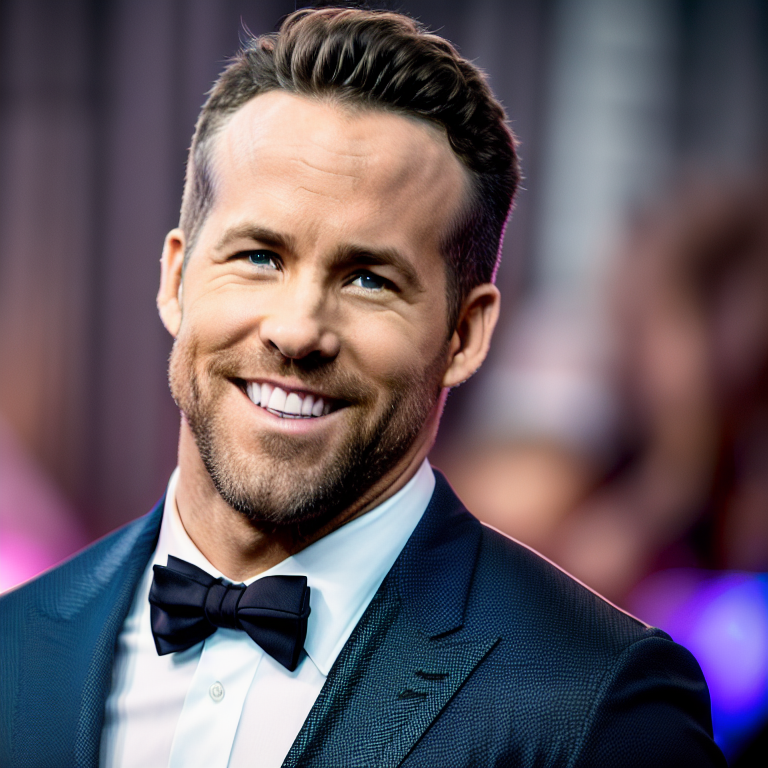
    Ryan Reynolds has built a career that thrives on charm, wit, and a sharp sense of humor. Whether he’s starring in blockbuster films or interacting with fans on social media, his ability to make people laugh has become one of his most powerful tools for connection. But how exactly does Ryan Reynolds use humor to connect with fans, and why does it work so well? Let’s dive into the details of his approach and explore the impact it has on his audience.

    Humor is more than just a personality trait for Reynolds—it’s a strategy. From his early days in Hollywood to his current status as a beloved global star, he has consistently used humor to break down barriers, create memorable moments, and build a loyal fanbase. His approach is authentic, self-deprecating, and often unexpected, which makes it all the more effective.

    One of the key reasons Reynolds’ humor resonates so deeply is its relatability. He doesn’t take himself too seriously, often poking fun at his own image or the absurdities of celebrity life. This vulnerability makes him feel more human and approachable, even to people who have never met him. For example, his playful jabs at his own movies or his willingness to laugh at himself in interviews show fans that he’s just like them—imperfect, self-aware, and ready to have a good time.

    Another important aspect of Reynolds’ humor is its versatility. He uses it across different platforms and contexts, from late-night talk shows to Instagram posts. On social media, he often shares witty commentary, hilarious memes, and behind-the-scenes moments that give fans a glimpse into his life. This consistency helps him maintain a strong connection with his audience, no matter where they encounter him.

    Reynolds also uses humor to engage with fans in a way that feels personal. He frequently responds to comments, shares fan art, and even participates in viral challenges. By doing so, he creates a sense of community and makes his followers feel valued. This level of interaction is rare among celebrities, and it’s one of the reasons why his fanbase is so dedicated.

    Humor also plays a significant role in Reynolds’ professional projects. His characters, whether in Deadpool or Free Guy, are often infused with the same quick wit and charm that he displays in real life. This consistency between his on-screen and off-screen personas helps fans feel like they know the real Ryan Reynolds, even if they’ve only seen him in movies.

    Moreover, Reynolds’ humor often carries a positive message. He uses his platform to promote kindness, inclusivity, and self-acceptance, all while keeping things light and entertaining. This combination of humor and heart makes his content not only funny but also meaningful, which deepens the connection with his audience.

    Another way Reynolds uses humor to connect with fans is through collaborations and partnerships. For instance, his ads for Aviation Gin often feature clever, tongue-in-cheek humor that fans love. These campaigns not only promote his business ventures but also reinforce his brand as someone who doesn’t take life too seriously.

    Reynolds also understands the power of timing. He knows when to be funny and when to be serious, which makes his humor feel more genuine. For example, during difficult times, he often uses humor to lift spirits and bring people together, showing that laughter can be a powerful tool for healing and connection.

    In addition, Reynolds’ humor often includes a touch of nostalgia. He frequently references pop culture, childhood memories, or shared experiences that resonate with a wide audience. This shared cultural context helps fans feel like they’re part of an inside joke, strengthening their bond with him.

    Finally, Reynolds’ humor is inclusive. He avoids offensive jokes or divisive topics, instead focusing on universal themes that everyone can enjoy. This approach ensures that his humor brings people together rather than pushing them apart, which is crucial for building a strong, diverse fanbase.

    In conclusion, Ryan Reynolds’ use of humor to connect with fans is a masterclass in authenticity, relatability, and timing. By staying true to himself, engaging with his audience, and using humor to spread positivity, he has created a unique and lasting bond with his fans. Whether he’s making them laugh on social media or entertaining them on the big screen, Reynolds proves that humor is one of the most powerful tools for building meaningful connections.

  • How Social Media Changed Celebrity Interviews Forever

    How Social Media Changed Celebrity Interviews Forever

    Social media has completely transformed how we see and experience celebrity interviews. Gone are the days when a star’s words only lived in magazines or on TV shows. Now, every interview moment can instantly reach millions of fans worldwide through platforms like Instagram, Twitter, and TikTok.

    The way celebrities connect with their audience has changed dramatically. Instead of waiting for the next magazine cover story or late-night show appearance, fans can now follow their favorite stars’ thoughts and reactions in real-time. This immediate access has created a new dynamic between celebrities and their audience that affects how interviews are conducted and shared.

    The Rise of Real-Time Celebrity Interactions

    Social media platforms have made celebrity interviews more interactive than ever before. When a star posts about an upcoming interview, fans can ask questions directly through comments or hashtags. This two-way communication creates a more engaging experience where viewers feel personally connected to the conversation.

    Celebrities now often share behind-the-scenes moments from interviews on their social accounts. These sneak peeks generate excitement and drive more viewers to watch the full interview when it airs. Many stars also go live on platforms like Instagram or Facebook during or after interviews to continue the conversation with fans.

    How Platforms Shape Interview Content

    Different social media platforms influence how interviews are structured and presented. Twitter’s character limits encourage celebrities to share quick thoughts and reactions. Instagram’s visual focus means interview clips and photos become essential promotional tools. YouTube allows for longer, more in-depth conversations that fans can watch anytime.

    The platform choice affects not just how interviews are shared, but what content makes it into the final cut. Producers now consider which moments will create the most buzz online when deciding what to include in an interview. A powerful quote or emotional moment that might have been cut in the past could now be kept because it will perform well as a shareable clip.

    The Power of Viral Interview Moments

    Social media has the power to make certain interview moments go viral, sometimes even more than the full interview itself. A single powerful statement or funny exchange can spread across platforms, reaching millions of viewers who never watched the original interview. This creates new pressure for celebrities to be more authentic and memorable during interviews.

    These viral moments often become cultural touchstones. When a celebrity shares something personal or takes a stand on an issue during an interview, social media amplifies their message. This can lead to important conversations and even social change, showing how the interview format has evolved beyond simple entertainment.

    Fan Engagement and Celebrity Response

    The immediate feedback loop created by social media has changed how celebrities approach interviews. Stars can now see fan reactions in real-time through comments, likes, and shares. This instant feedback influences how they present themselves and what topics they’re willing to discuss.

    Many celebrities now use social media to clarify or expand on points made during interviews. If fans react strongly to something they said, stars might post follow-up content to explain their perspective or share additional thoughts. This ongoing dialogue creates a more nuanced understanding of what was discussed in the original interview.

    The Role of Visual Content

    Visual elements have become crucial in how interview content is shared on social media. Celebrities and their teams carefully craft images and short video clips to promote interviews. Tools for creating eye-catching graphics have become essential for maximizing reach and engagement.

    For instance, many stars use platforms like Canva to create stunning Instagram stories that promote their upcoming interviews. These visual teasers help build anticipation and give fans a preview of what’s to come. The visual aspect of social media has made interview promotion an art form in itself.

    Impact on Interview Preparation

    Celebrities and their teams now prepare differently for interviews, knowing that any moment could become a social media sensation. They consider which topics might generate the most online discussion and how their words might be interpreted across different platforms. This awareness affects everything from the questions asked to the way answers are delivered.

    Many stars work with social media experts to ensure their interview content will perform well online. They might practice delivering quotable lines or plan specific moments designed to create buzz on social platforms. This strategic approach has changed the natural flow of many interviews.

    The Democratization of Celebrity Access

    Social media has made celebrity interviews more accessible to everyone. Fans who can’t watch an interview when it airs can catch key moments through clips shared on various platforms. This democratization means that interview content reaches a much wider audience than ever before.

    The ability to share and discuss interviews across different social platforms has also created global conversations. A celebrity’s words can now spark discussions among fans worldwide, creating communities around shared interests and opinions. This global reach has made celebrity interviews more influential than ever.

    Future Trends in Social Media Interviews

    As social media continues to evolve, so will the nature of celebrity interviews. New platforms and features will create fresh ways for stars to connect with their audience. The integration of augmented reality and virtual reality could lead to entirely new interview formats that blur the line between viewer and participant.

    The trend toward authenticity and direct connection will likely continue, with fans demanding more unfiltered access to their favorite celebrities. This might lead to more informal interview settings and a greater emphasis on genuine conversation over prepared talking points.

    Frequently Asked Questions (FAQ)

    How has social media changed the way celebrities prepare for interviews?

    Celebrities now work with teams to plan interview content that will perform well on social media. They consider which topics might go viral and practice delivering memorable quotes. Many also prepare follow-up content to share on their social accounts after the interview airs.

    What makes an interview moment go viral on social media?

    Viral interview moments often combine authenticity, emotion, or controversy with shareability. A powerful statement, funny exchange, or emotional revelation can spread quickly when it resonates with viewers. The timing and context of the moment also play a role in its viral potential.

    How do different social media platforms affect celebrity interviews?

    Each platform shapes interview content differently. Twitter encourages quick thoughts and reactions, Instagram focuses on visual elements, and YouTube allows for longer conversations. Celebrities often tailor their interview approach based on which platforms they want to target.

    Why do celebrities share behind-the-scenes content from interviews?

    Behind-the-scenes content helps build anticipation for interviews and creates a more personal connection with fans. It also allows celebrities to control their narrative and share moments that might not make it into the final edited interview. This extra content keeps fans engaged between major interview releases.

    How has fan interaction changed during celebrity interviews?

    Fans can now engage with celebrities in real-time through comments and reactions on social media. This immediate feedback influences how interviews unfold and often leads to celebrities addressing fan questions or concerns during or after the interview. The interactive nature of social media has made interviews more of a two-way conversation.

    What role do visual elements play in modern celebrity interviews?

    Visual content has become crucial for promoting and sharing interview moments on social media. Celebrities use eye-catching graphics, short video clips, and carefully crafted images to maximize their interview’s reach. The visual aspect of social media has made interview promotion an essential part of the process.

    Conclusion

    Social media has fundamentally transformed celebrity interviews, creating a more interactive, immediate, and global experience. From the way interviews are prepared and conducted to how they’re shared and discussed, every aspect of the process has evolved to meet the demands of our connected world.

    The power of social media to amplify interview moments and create viral sensations has changed what celebrities say and how they say it. As platforms continue to evolve, we can expect even more innovative approaches to celebrity interviews in the future. The key to success will be finding the right balance between authenticity and strategic content creation.

    The relationship between celebrities and their audience has become more personal and direct thanks to social media. This new dynamic offers exciting possibilities for meaningful conversations and genuine connections, while also presenting new challenges in managing public image and message control. As we move forward, the role of social media in shaping celebrity interviews will only continue to grow and evolve.

  • What Chris Hemsworth Learned from Playing Thor: 7 Life-Changing Lessons

    What Chris Hemsworth Learned from Playing Thor: 7 Life-Changing Lessons

    When Chris Hemsworth first stepped into the role of Thor in 2011, he was a relatively unknown Australian actor taking on one of Marvel’s most beloved comic book characters. Little did he know that playing the God of Thunder would transform not just his career, but his entire approach to life, acting, and personal growth.

    Over the course of eight films spanning more than a decade, Hemsworth brought Thor to life in ways that surprised both fans and critics. From the arrogant prince of Asgard to the more humble and self-aware hero we see in recent films, Thor’s journey mirrors some of the most valuable lessons Hemsworth himself has learned along the way.

    Let’s explore what this incredible actor discovered through his experience playing one of Marvel’s mightiest heroes.

    The Power of Physical Transformation

    Playing Thor required Hemsworth to undergo a massive physical transformation. The actor had to build an impressive amount of muscle mass to portray the muscular God of Thunder authentically. This wasn’t just about looking the part – it was about embodying the character’s strength and presence.

    Hemsworth learned that physical preparation goes beyond just aesthetics. The intense training regimen taught him discipline, consistency, and the importance of pushing past perceived limitations. He discovered that when you commit fully to a physical goal, it affects every other area of your life positively.

    The actor has since become passionate about fitness and wellness, even launching his own health and fitness app. This journey from actor to fitness advocate shows how one role can spark a lifelong commitment to personal health and helping others achieve their fitness goals.

    Embracing Vulnerability in Character Development

    One of the most significant lessons Hemsworth learned was the importance of vulnerability in creating a compelling character. Early portrayals of Thor showed him as somewhat one-dimensional – the strong, confident hero. But as the films progressed, Hemsworth worked with directors to add layers of complexity to the character.

    In Thor: Ragnarok, we see a more humorous and self-deprecating Thor. In Avengers: Infinity War and Endgame, we witness his struggles with depression and self-doubt. Hemsworth discovered that audiences connect more deeply with characters who show their weaknesses and flaws.

    This understanding has influenced his approach to all his roles since. He’s learned that true strength isn’t about being perfect or invincible – it’s about being authentic and relatable. This lesson extends beyond acting into his personal life, where he’s become more comfortable showing vulnerability and connecting with others on a deeper level.

    The Importance of Teamwork and Collaboration

    Playing Thor in the Marvel Cinematic Universe meant working with enormous ensemble casts and complex production teams. Hemsworth learned that even as the “star” of the show, success depends entirely on collaboration and supporting your fellow actors.

    He developed close friendships with co-stars like Tom Hiddleston (Loki), Robert Downey Jr. (Iron Man), and Chris Evans (Captain America). These relationships weren’t just professional – they became genuine friendships that enriched his life both on and off screen.

    Hemsworth discovered that the best work happens when everyone feels valued and supported. This collaborative spirit has influenced how he approaches all his projects now, whether he’s the lead or part of an ensemble. He actively works to create positive, supportive environments on set.

    Balancing Fame with Personal Life

    As Thor became increasingly popular, Hemsworth experienced a dramatic rise in fame and public attention. He learned valuable lessons about maintaining privacy, setting boundaries, and keeping his family life separate from his professional persona.

    The actor has been intentional about protecting his wife and children from excessive media attention. He’s learned to say no to projects or appearances that might compromise his family’s well-being. This balance has been crucial for his mental health and personal happiness.

    Hemsworth’s experience shows that success in Hollywood doesn’t have to come at the cost of personal relationships and family life. He’s become an advocate for maintaining healthy work-life boundaries in an industry that often demands complete devotion.

    Adapting to Different Directorial Styles

    Throughout the Thor franchise, Hemsworth worked with various directors, each bringing their own unique vision and working style. From Kenneth Branagh’s classical approach to Taika Waititi’s comedic sensibility, he learned to adapt and grow with each new collaboration.

    This flexibility has made Hemsworth a more versatile actor. He’s learned to trust different creative visions while still maintaining the core essence of his character. This adaptability has served him well in other roles outside the Marvel universe.

    The lesson here extends beyond acting – being able to work effectively with different personalities and leadership styles is a valuable skill in any career. Hemsworth’s ability to adapt while staying true to himself is something we can all learn from.

    Using Humor as a Coping Mechanism

    One of the most beloved aspects of Hemsworth’s portrayal of Thor is his sense of humor. He discovered that comedy could be used to make characters more relatable and to help audiences connect with even the most powerful beings.

    In Thor: Ragnarok, the character’s humor became a defining trait, showing that even gods can laugh at themselves. Hemsworth learned that humor is a powerful tool for dealing with difficult situations and connecting with others.

    This lesson has influenced his personal life as well. He’s known for his quick wit and ability to keep things light on set, which helps create positive working environments. He’s discovered that laughter truly is one of the best ways to handle life’s challenges.

    The Responsibility of Being a Role Model

    As Thor became more popular, especially among younger audiences, Hemsworth realized the responsibility that comes with being a role model. He learned that his actions and words have an impact beyond just his immediate circle.

    The actor has become more conscious of the messages his characters send and how they might influence fans. He’s used his platform to promote positive messages about health, family, and personal growth. Hemsworth has also become involved in various charitable causes, using his fame to make a positive difference.

    This sense of responsibility has shaped how he chooses roles and conducts himself publicly. He understands that being a public figure means having the opportunity to inspire and influence others positively.

    Frequently Asked Questions (FAQ)

    #### How long did Chris Hemsworth play Thor?

    Chris Hemsworth portrayed Thor across eight Marvel films over a period of more than 10 years, from 2011’s “Thor” to 2022’s “Thor: Love and Thunder.” This long-term commitment to a single character is relatively rare in Hollywood and speaks to both the character’s popularity and Hemsworth’s dedication to the role.

    #### What physical training did Hemsworth undergo for Thor?

    For his role as Thor, Hemsworth followed an intense workout regimen that included heavy weightlifting, functional training, and a high-protein diet. He worked with personal trainers to build the muscular physique required for the God of Thunder. The training typically involved multiple hours in the gym each day, focusing on different muscle groups and incorporating both strength training and cardio.

    #### How has playing Thor affected Hemsworth’s career choices?

    Playing Thor significantly boosted Hemsworth’s career, making him one of Hollywood’s most recognizable leading men. However, it also influenced his career choices – he’s become more selective about roles, often choosing projects that allow him to showcase different aspects of his acting ability beyond the superhero persona. He’s also ventured into producing and has shown interest in diverse genres from action to comedy to drama.

    #### Did Hemsworth have input in Thor’s character development?

    Yes, Hemsworth has had significant input in developing Thor’s character throughout the franchise. He’s worked closely with directors to add depth and humor to the character, particularly in later films. His suggestions have helped transform Thor from a somewhat one-dimensional hero to a more complex, relatable character that audiences love.

    #### What are some of Hemsworth’s favorite Thor moments?

    While Hemsworth has enjoyed many aspects of playing Thor, some of his favorite moments include the comedic scenes in “Thor: Ragnarok,” particularly those involving Thor and his brother Loki. He’s also spoken about the emotional weight of scenes in “Avengers: Infinity War” and “Endgame,” where Thor faces significant personal challenges and growth.

    Conclusion

    Chris Hemsworth’s journey as Thor has been about much more than just playing a superhero. Through this role, he’s learned invaluable lessons about physical transformation, emotional vulnerability, teamwork, work-life balance, adaptability, humor, and social responsibility. These lessons have not only made him a better actor but have also shaped him into a more well-rounded person.

    The character of Thor evolved significantly over the years, and so did Hemsworth himself. From an unknown Australian actor to a global superstar, his growth parallels Thor’s own journey from arrogant prince to humble hero. The lessons he’s learned continue to influence his career choices, personal life, and how he interacts with fans and the industry.

    As Hemsworth moves forward in his career, it’s clear that the wisdom gained from playing Thor will continue to guide him. Whether he’s taking on new acting challenges, focusing on his family, or using his platform for positive change, the God of Thunder has taught him lessons that extend far beyond the realm of Asgard.

    His story reminds us that our biggest challenges and most significant roles often teach us the most valuable life lessons. Sometimes, the character we play can teach us more about ourselves than we ever expected to learn.

  • How Streaming Changed Entertainment Interviews Forever

    How Streaming Changed Entertainment Interviews Forever

    Streaming platforms have completely transformed how entertainment interviews happen today. Gone are the days when celebrities only spoke to major TV networks from a single studio location. Now, anyone with a camera and internet connection can host conversations with famous people, and viewers can watch these interviews instantly from anywhere in the world.

    The shift started slowly but picked up incredible speed over the past decade. What began as simple webcam chats has grown into a massive ecosystem of entertainment interviews happening across YouTube, Twitch, Instagram Live, and countless other platforms. This change has created both amazing opportunities and new challenges for everyone involved.

    The Democratization of Entertainment Interviews

    Streaming has opened doors that were previously locked tight. Before streaming, entertainment interviews were mostly controlled by big media companies with expensive equipment and broadcast deals. Only a handful of journalists and TV hosts got to ask the questions that millions of people wanted answered.

    Now, independent creators can reach massive audiences without corporate backing. A creator working from their bedroom can attract more viewers than a traditional TV show. This means different kinds of voices and perspectives are getting heard. The conversation around entertainment has become more diverse and interesting.

    How Production Quality Has Evolved

    The technical side of entertainment interviews has changed dramatically. Early streaming interviews looked rough compared to polished TV productions. Today, many creators use equipment that rivals professional studios. Multiple camera angles, professional lighting, and high-quality audio have become standard expectations.

    Creators have also gotten creative with their setups. Some use elaborate virtual backgrounds, while others build custom sets in their homes. The line between professional and amateur production has blurred significantly. This has raised the bar for what viewers expect from entertainment interviews online.

    The Speed and Accessibility Factor

    One of the biggest changes streaming brought is how quickly interviews can happen and reach audiences. Traditional TV interviews required scheduling weeks in advance, filming, editing, and then waiting for broadcast. Streaming interviews can happen spontaneously and go live immediately.

    This speed creates exciting opportunities for timely conversations. When something happens in entertainment news, creators can respond quickly with fresh interviews and reactions. Fans don’t have to wait for the next scheduled TV appearance to hear from their favorite stars.

    New Interview Formats and Styles

    Streaming has encouraged experimentation with interview formats. Long-form conversations that would never fit on traditional TV have found huge audiences. Some creators specialize in marathon interviews lasting several hours, diving deep into topics that interest both the guest and audience.

    The casual nature of streaming has also changed how people interact. Interviews feel more like conversations between friends rather than formal question-and-answer sessions. This relaxed atmosphere often leads to more authentic and revealing moments.

    The Global Reach of Streaming Interviews

    Geographic boundaries have disappeared for entertainment interviews. A creator in Brazil can interview an actor in Japan while viewers from South Africa, Canada, and Australia all watch live. This global accessibility has created truly international entertainment communities.

    Time zones can be challenging, but they also create interesting scheduling opportunities. Some creators do interviews specifically for different global audiences, adjusting their timing to reach viewers in various regions. This worldwide accessibility has made entertainment more connected than ever.

    Interactive Elements That Traditional Media Can’t Match

    Streaming interviews offer interactive features that traditional media simply cannot provide. Live chat allows viewers to ask questions in real-time. Polls let audiences vote on discussion topics. Multiple camera angles give viewers control over their viewing experience.

    These interactive elements create a sense of community around entertainment interviews. Viewers feel more connected to both the creator and the guest. This engagement builds loyal audiences who return for every interview.

    Monetization and Career Opportunities

    Streaming has created new ways for creators to earn money from entertainment interviews. Beyond traditional advertising, creators can use subscriptions, donations, merchandise, and sponsorships. This financial independence allows creators to focus on quality content rather than pleasing network executives.

    Many creators have turned entertainment interviews into full-time careers. Some have even launched their own production companies, expanding beyond interviews into original content and events. The economic opportunities streaming provides have attracted talented people to the field.

    Challenges and Criticisms

    The streaming revolution hasn’t been perfect. The ease of starting a streaming channel means there’s a lot of low-quality content competing for attention. Finding truly good entertainment interviews requires more effort from viewers.

    There are also concerns about journalistic standards and fact-checking. Not all streaming creators have the training or resources to verify information properly. This has led to the spread of misinformation in some cases.

    The Future of Entertainment Interviews

    Looking ahead, streaming will continue to shape entertainment interviews in exciting ways. Virtual reality could allow for immersive interview experiences. Artificial intelligence might help with transcription and translation, making interviews accessible to even more people.

    The relationship between creators, guests, and audiences will likely keep evolving. As technology improves and audience expectations change, entertainment interviews will find new ways to inform, entertain, and connect people around the world.

    Frequently Asked Questions

    What makes streaming interviews different from traditional TV interviews?

    Streaming interviews offer more flexibility in format, length, and style. They can happen spontaneously, reach global audiences instantly, and include interactive elements like live chat that traditional TV cannot provide.

    Do celebrities prefer streaming interviews over traditional media?

    Many celebrities appreciate the more casual and authentic atmosphere of streaming interviews. The direct connection with fans and freedom to discuss topics in depth often makes streaming a preferred option.

    How can I start doing entertainment interviews on streaming platforms?

    Begin with basic equipment like a good microphone and camera. Practice your interview skills, research your guests thoroughly, and be consistent with your content schedule. Focus on building a unique style that sets you apart.

    What are the biggest challenges for streaming interview creators?

    Standing out in a crowded market, maintaining consistent quality, and building a loyal audience are major challenges. Technical issues and the pressure to constantly create new content can also be difficult.

    How has streaming changed the relationship between celebrities and fans?

    Streaming has made celebrities more accessible and approachable. Fans can interact directly through comments and social media, creating a more personal connection than traditional media allowed.

    Are streaming interviews as professional as TV interviews?

    Many streaming interviews now match or exceed TV production quality. However, the informal style and longer format often create a different kind of professional experience that audiences have come to appreciate.

    Conclusion

    Streaming has fundamentally changed entertainment interviews in ways that continue to unfold. What started as a technological novelty has become a vital part of how we connect with celebrities and discuss entertainment. The democratization of content creation, the rise of new formats, and the global accessibility of streaming have created opportunities that didn’t exist before.

    While challenges remain, the benefits of streaming for entertainment interviews are clear. Creators have more freedom, audiences have more choices, and the overall quality of conversations has improved. As technology continues to advance, we can expect even more exciting developments in how entertainment interviews are produced and consumed.

    The future looks bright for streaming entertainment interviews. Whether you’re a creator, a celebrity, or a viewer, this new era offers something valuable for everyone involved. The conversation around entertainment has become more diverse, more accessible, and more engaging than ever before.

  • Emma Stone’s Journey from Comedy to Dramatic Roles

    Emma Stone has become one of Hollywood’s most beloved actresses, known for her ability to make audiences laugh and cry with equal skill. Her journey from comedy to dramatic roles shows how hard work and taking chances can lead to amazing opportunities in acting.

    Starting with comedy roles gave Emma a strong foundation to build on. Her natural timing and charm made her perfect for funny characters. But she didn’t want to be stuck in just one type of role. Like many successful actors, she worked to show different sides of her talent over time.

    Early Days in Comedy

    Emma Stone’s first big break came with roles that highlighted her comedic talents. Movies like “Superbad” and “Easy A” showed she could deliver jokes perfectly while still making characters feel real and relatable. Her ability to mix humor with heart made her stand out from other young actresses.

    In “Superbad,” she played a smart, confident high school student who could hold her own against the guys. This role helped people notice her natural charm and timing. “Easy A” took things further, letting her carry an entire movie as the lead. She played a teenager who gets caught up in a rumor mill, showing both comedy and the awkwardness of high school life.

    These early roles taught Emma important lessons about connecting with audiences. Comedy requires perfect timing and the ability to make scripted lines feel spontaneous. She learned to trust her instincts and work well with other actors, skills that would help her later in more serious roles.

    Finding Her Dramatic Voice

    The jump from comedy to drama can be tricky for actors. Some people think funny actors can’t be serious, but Emma proved this wrong. Her first major dramatic role came in “The Help,” where she played a young writer in the 1960s South. This movie showed she could handle heavier themes while still being relatable.

    “The Help” required Emma to show more emotional range than her previous roles. She had to portray someone dealing with serious issues like racism and social change. The film’s success showed that audiences were ready to see her in different kinds of stories. This role opened doors to more dramatic opportunities.

    Working on “The Help” also introduced Emma to more experienced actors who could teach her about dramatic acting. She learned to approach scenes differently, focusing more on emotional truth than on getting laughs. This experience helped her grow as an actress and feel more confident about taking on challenging roles.

    Breakthrough with “La La Land”

    “La La Land” represented a perfect mix of Emma’s comedy background and her growing dramatic skills. The movie combined romance, music, and drama, letting her show many different abilities at once. Her performance earned her an Academy Award and proved she could handle complex, layered characters.

    In this film, Emma played an aspiring actress struggling to make it in Hollywood. The role required her to sing, dance, and portray a character going through both joy and disappointment. She worked hard to make the musical numbers feel natural and the dramatic scenes feel earned. Her chemistry with co-star Ryan Gosling helped make the movie a huge success.

    The experience of making “La La Land” taught Emma even more about different acting techniques. Musical theater requires precise timing and physical awareness that differs from regular film acting. She learned to use her whole body to tell stories, not just her voice and face. These skills would help her in future dramatic roles.

    Taking on Complex Characters

    After “La La Land,” Emma chose roles that challenged her in new ways. In “Battle of the Sexes,” she played tennis champion Billie Jean King, requiring her to learn tennis and portray a real person with a complex life. This role showed she could handle biographical material and physical transformations.

    “Battle of the Sexes” required extensive preparation. Emma worked with tennis coaches to look convincing on the court. More importantly, she studied Billie Jean King’s life to understand her motivations and struggles. This kind of research became important for her dramatic work, showing her commitment to fully understanding her characters.

    The film dealt with serious themes like gender equality and personal identity. Emma had to balance the historical importance of the story with making her character feel human and relatable. Her performance showed growth in her ability to handle weighty subject matter while still keeping the audience engaged.

    Working with Different Directors

    Part of Emma’s growth as an actress came from working with various directors who had different styles. Each director taught her something new about approaching roles and film sets. This variety helped her become more versatile and confident in her choices.

    Directors like Woody Allen, Damien Chazelle, and Yorgos Lanthimos each brought different approaches to working with actors. Some prefer lots of rehearsal, while others like to keep things spontaneous. Emma learned to adapt to different working styles while staying true to her own process.

    This experience with different directors helped Emma understand that there’s no single right way to approach acting. She learned to be flexible while still bringing her own perspective to each role. This adaptability has been key to her success in both comedy and drama.

    Building a Diverse Career

    Emma’s career shows the value of not limiting yourself to one type of role. By moving between comedy and drama, she’s created a more interesting body of work. This diversity has also helped her avoid being typecast and kept her career fresh and exciting.

    Her choices show thoughtful consideration of what each role could teach her. Even when returning to lighter material, she looks for ways to add depth to her characters. This approach has earned her respect from both audiences and critics, leading to more opportunities in different genres.

    The variety in her career also shows good business sense. By not being limited to one type of movie, she’s created more job security and artistic freedom. This strategy has allowed her to take risks on smaller, more challenging projects while still doing bigger commercial films.

    The Importance of Preparation

    As Emma moved into more dramatic roles, her preparation process became more detailed. For serious roles, she often does extensive research to understand her characters’ backgrounds and motivations. This preparation helps her bring authenticity to even the most challenging roles.

    For “The Favourite,” she learned about 18th-century court life and worked on her British accent. For “Poor Things,” she studied medical history and disability rights. This kind of preparation shows her respect for the characters she plays and the stories being told.

    Her preparation often includes physical training as well as research. Learning new skills for roles helps her feel more connected to her characters. This commitment to preparation has become one of her trademarks as a dramatic actress, showing her dedication to her craft.

    Balancing Personal Life and Career

    Emma’s journey also shows how important it is to maintain balance in a demanding career. She’s been open about taking breaks when needed and choosing projects carefully. This balance has helped her sustain a long career without burning out.

    Her approach to career management includes being selective about roles and taking time between projects. This allows her to give each role her full attention and energy. It also gives her time to live life outside of acting, which provides new experiences to draw from in her work.

    Family and personal relationships remain important to Emma, even as her career has grown. She’s shown that it’s possible to have a successful acting career while maintaining a personal life. This balance has likely contributed to her ability to take on different types of roles with fresh perspective.

    Looking to the Future

    Emma Stone continues to choose interesting projects that challenge her as an actress. Her journey from comedy to drama shows that growth and change are possible with dedication and smart choices. She remains one of Hollywood’s most respected and versatile performers.

    Her future likely includes more dramatic roles, but she hasn’t abandoned comedy entirely. The key to her success has been maintaining flexibility and being open to different types of stories. This approach should serve her well as she continues to evolve as an actress.

    Young actors can learn from Emma’s career path. Her success shows the value of starting with what you do well, then gradually expanding your range. Most importantly, it shows that with talent, hard work, and good choices, it’s possible to succeed in multiple genres of acting.

    Frequently Asked Questions (FAQ)

    What was Emma Stone’s first major comedy role?

    Emma Stone’s breakout comedy role was in “Superbad” (2007), where she played Jules, a high school student. This role showed her natural comedic timing and charm, leading to more opportunities in comedy films.

    How did Emma prepare for dramatic roles differently than comedy?

    For dramatic roles, Emma does more extensive research about her characters’ backgrounds and often learns new physical skills. While comedy relies more on timing and delivery, drama requires deeper emotional preparation and understanding of complex themes.

    Which role won Emma Stone her Academy Award?

    Emma won the Academy Award for Best Actress for her role in “La La Land” (2016). The film combined musical and dramatic elements, showcasing her versatility as an actress.

    Has Emma Stone completely stopped doing comedy?

    No, Emma still takes comedy roles occasionally. Her career shows a balance between comedy and drama, though she’s taken on more dramatic roles in recent years. She chooses projects based on their quality and how they challenge her as an actress.

    What advice does Emma Stone have for actors wanting to transition between genres?

    While Emma hasn’t given specific advice about transitioning between genres, her career shows the importance of starting with your strengths, being patient, and gradually taking on more challenging roles. Building relationships with different directors and continuing to learn are also key to her success.

    Conclusion

    Emma Stone’s journey from comedy to dramatic roles demonstrates that actors can successfully expand their range with dedication and smart career choices. Starting with her natural comedic talents, she gradually took on more challenging dramatic work while maintaining the charm that made her famous.

    Her success shows the importance of preparation, versatility, and choosing projects that offer growth opportunities. By not limiting herself to one type of role, Emma has created a diverse and respected career that continues to evolve. Her story inspires both audiences and other actors to believe in the possibility of change and growth in their own careers.

    The entertainment industry benefits from actors like Emma who can move between genres and bring different skills to each role. As she continues to take on new challenges, her journey reminds us that with talent, hard work, and good choices, it’s possible to achieve great things in multiple areas of acting.

  • Why Timothée Chalamet Chooses Unique Roles Over Blockbuster Hits

    Why Timothée Chalamet Chooses Unique Roles Over Blockbuster Hits

    Timothée Chalamet has become one of Hollywood’s most talked-about actors in recent years. From his breakout role in “Call Me by Your Name” to his performances in “Dune” and “Wonka,” he’s captured audiences with his unique presence and thoughtful approach to acting. But what makes Chalamet stand out isn’t just his talent—it’s his willingness to take risks and choose roles that challenge him rather than chase big paychecks.

    In an industry where many young actors rush to become the next superhero or franchise star, Chalamet has taken a different path. He’s built his career by carefully selecting projects that push boundaries and allow him to grow as an artist. This approach has earned him critical acclaim and a dedicated fanbase who appreciate his commitment to meaningful storytelling.

    His choices reflect a deeper understanding of what makes acting fulfilling. Instead of following the well-worn path to blockbuster stardom, Chalamet has embraced the uncertainty and creative freedom that comes with choosing unique, often smaller projects. This article explores why he makes these choices and what other actors can learn from his approach.

    ###The Artistic Freedom Behind Role Selection###

    When actors first break into Hollywood, they often face pressure to take whatever roles they can get. Studios want bankable stars, and many young performers feel they need to build their resume with high-profile projects. Chalamet has consistently resisted this pressure, even when it meant turning down potentially career-launching opportunities.

    His approach stems from a genuine love for the craft of acting. Rather than seeing roles as stepping stones to fame, he views each project as an opportunity to explore different aspects of human experience. This mindset allows him to approach each character with fresh eyes and dedication, regardless of the project’s budget or marketing reach.

    The freedom to choose comes with its own set of challenges. Independent films and unique projects often have smaller budgets, tighter schedules, and less job security. However, Chalamet seems to value the creative control and artistic satisfaction these projects provide over the financial stability of mainstream blockbusters.

    ###Building a Distinctive Career Path###

    Chalamet’s career trajectory shows a clear pattern of intentional choices. After his early roles in television shows like “Homeland,” he quickly moved to independent films that showcased his range. “Lady Bird” and “Call Me by Your Name” established him as a serious dramatic actor, while “Beautiful Boy” demonstrated his ability to tackle difficult, emotionally complex material.

    This strategic approach has created a distinctive brand for Chalamet. When audiences see his name attached to a project, they know to expect something thoughtful and unconventional. This reputation has become valuable in itself, attracting directors and writers who want to work with someone willing to take creative risks.

    The path he’s chosen also allows for more sustainable career longevity. While blockbuster franchises can typecast actors and limit their opportunities, Chalamet’s diverse portfolio keeps his options open. He can move between genres and mediums without being pigeonholed into a specific type of role.

    ###The Impact of Working with Visionary Directors###

    One consistent thread in Chalamet’s career is his collaboration with innovative directors. From Luca Guadagnino to Denis Villeneuve, he seeks out filmmakers who have a clear artistic vision and aren’t afraid to challenge conventions. These collaborations have resulted in some of his most memorable performances and have helped him grow as an actor.

    Working with visionary directors often means taking on material that’s more complex or experimental than typical Hollywood fare. It requires a level of trust and willingness to explore uncomfortable territory. Chalamet’s ability to build these creative partnerships speaks to his professionalism and dedication to his craft.

    These director relationships also provide valuable learning opportunities. Each filmmaker brings different techniques, perspectives, and approaches to storytelling. By working across various styles and methods, Chalamet continues to expand his skills and understanding of the acting process.

    ###Balancing Commercial Success and Artistic Integrity###

    While Chalamet is known for his indie film choices, he hasn’t completely avoided mainstream projects. “Dune” represents a significant commercial venture, but even this choice aligns with his pattern of working with visionary directors and tackling ambitious material. The key difference is that he approaches even large-scale productions with the same commitment to character and story that he brings to smaller films.

    This balance allows him to maintain artistic credibility while still participating in projects that reach wider audiences. It’s a delicate act that many actors struggle to achieve. By being selective about even his commercial work, Chalamet ensures that his entire body of work reflects his values and artistic goals.

    The financial success of projects like “Dune” also provides him with more leverage to choose future roles based on creative merit rather than necessity. This creates a positive cycle where commercial viability and artistic integrity can coexist rather than being at odds.

    ###The Role of Personal Growth in Career Decisions###

    Chalamet’s choices often reflect his desire to challenge himself and grow as a person, not just as an actor. Many of his roles require him to explore different time periods, cultures, and emotional landscapes. This continuous learning process keeps his work fresh and engaging for both himself and his audience.

    The personal growth aspect also connects to his willingness to take on vulnerable or difficult material. Roles that explore complex emotions or controversial topics require actors to confront aspects of the human experience that might be uncomfortable. Chalamet seems to view this discomfort as part of the artistic process rather than something to avoid.

    This growth-oriented mindset extends beyond individual roles to his overall career development. Each project builds on the last, creating a trajectory that’s both personally satisfying and professionally impressive. It’s an approach that values the journey of artistic development over quick commercial success.

    ###Audience Reception and Critical Acclaim###

    Chalamet’s strategy has paid off in terms of both audience appreciation and critical recognition. His performances consistently receive praise for their depth and authenticity, and he’s earned numerous award nominations and wins. This success validates his approach and demonstrates that there’s an audience for thoughtful, well-crafted performances.

    The critical acclaim also helps create opportunities for future unique projects. When directors and producers see that audiences respond positively to Chalamet’s choices, they’re more likely to support similar material. This creates a sustainable ecosystem where artistic risk-taking is rewarded rather than punished.

    His fanbase has also grown to appreciate his commitment to quality over quantity. Many of his followers actively seek out his smaller projects, understanding that they’re likely to find something special and different from mainstream offerings. This creates a loyal audience that supports his artistic vision.

    ###Lessons for Aspiring Actors###

    Chalamet’s career offers valuable lessons for actors starting out in the industry. First and foremost is the importance of patience and long-term thinking. Building a meaningful career takes time, and rushing to achieve quick success often leads to poor choices that can limit future opportunities.

    Another key lesson is the value of building relationships with like-minded artists. Chalamet’s collaborations with directors, writers, and fellow actors have created a network of creative partners who support his vision. These relationships often lead to the most rewarding projects and help sustain a career through ups and downs.

    The importance of authenticity also stands out in his approach. Rather than trying to fit into industry expectations, Chalamet has remained true to his artistic values. This authenticity resonates with audiences and helps create a distinctive personal brand that’s valuable in a crowded entertainment marketplace.

    ###Frequently Asked Questions###

    Why does Timothée Chalamet turn down blockbuster roles?
    Chalamet turns down many blockbuster roles because he prioritizes artistic fulfillment over commercial success. He seeks projects that challenge him creatively and allow him to work with visionary directors, even if those projects have smaller budgets or less mainstream appeal.

    How does Chalamet choose his film roles?
    He chooses roles based on the quality of the script, the vision of the director, and the opportunity for personal and artistic growth. He looks for characters that are complex and stories that offer something new or different from typical Hollywood fare.

    Has Chalamet’s strategy affected his financial success?
    While he may have passed up some high-paying blockbuster roles, Chalamet has still achieved significant financial success through selective commercial projects like “Dune” and “Wonka.” His strategy has created a sustainable career that balances artistic integrity with commercial viability.

    What can other actors learn from Chalamet’s career choices?
    Other actors can learn the importance of patience, authenticity, and long-term thinking in building a career. His approach shows that it’s possible to maintain artistic integrity while still achieving professional success, and that building strong creative relationships is crucial for sustained career growth.

    How has Chalamet’s approach influenced Hollywood?
    His success has helped validate the value of unique, character-driven projects and has shown that there’s an audience for thoughtful, unconventional storytelling. This may encourage more studios and producers to support similar material and take creative risks.

    ###Conclusion###

    Timothée Chalamet’s approach to choosing roles represents a refreshing alternative to the typical Hollywood career path. By prioritizing artistic integrity, personal growth, and meaningful collaborations over commercial success, he’s created a body of work that’s both critically acclaimed and personally fulfilling. His strategy demonstrates that it’s possible to build a successful acting career while staying true to one’s artistic values.

    The lessons from his career extend beyond acting to anyone pursuing creative work. The importance of patience, authenticity, and long-term thinking are universal principles that can apply to various artistic and professional endeavors. As Chalamet continues to evolve as an actor, his choices will likely continue to inspire both audiences and fellow artists to value quality and creativity over quick commercial success.

    His journey shows that the most rewarding career path isn’t always the most obvious one, and that staying true to your artistic vision can lead to both personal satisfaction and professional achievement. In an industry often driven by commercial considerations, Chalamet’s commitment to unique roles serves as a reminder of the power of artistic integrity.