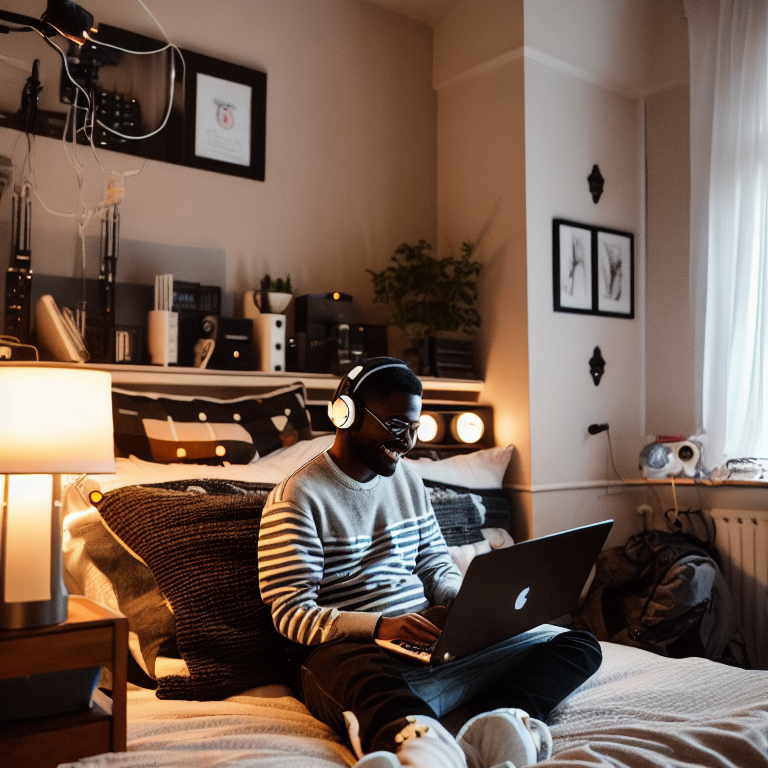
The music industry has been turned upside down by a new wave of artists creating professional-quality songs from their bedrooms. Bedroom pop has exploded in popularity over the past decade, allowing talented musicians to bypass traditional recording studios and connect directly with fans through streaming platforms.
This DIY music movement started gaining traction around 2010 when affordable recording equipment and software became widely available. Young artists discovered they could produce radio-ready tracks without expensive studio time or record label backing. The result is a raw, authentic sound that resonates with millions of listeners worldwide.
The Essential Equipment for Bedroom Producers
Starting a home studio requires surprisingly little investment. Most bedroom producers begin with just a laptop, audio interface, and digital audio workstation (DAW) software. Popular DAWs like Ableton Live, FL Studio, and Logic Pro offer free trials and affordable entry-level versions.
A decent microphone is crucial for recording vocals and acoustic instruments. Many artists start with USB microphones like the Audio-Technica AT2020 or Blue Yeti, which plug directly into computers without additional hardware. As skills develop, producers often upgrade to XLR microphones with audio interfaces for better sound quality.
Headphones are another essential piece of gear. Closed-back studio headphones help producers hear every detail while mixing tracks. Brands like Audio-Technica, Sennheiser, and Sony offer excellent options under $150 that work perfectly for home recording.
How Social Media Launched Bedroom Pop Careers
Platforms like TikTok, Instagram, and YouTube have become launchpads for bedroom pop artists. These apps allow musicians to share short clips of their songs, behind-the-scenes recording sessions, and connect directly with potential fans. Many successful bedroom pop artists built their following organically through consistent posting and authentic engagement.
TikTok has been particularly influential in breaking new bedroom pop artists. Songs can go viral through challenges, trends, or simply by resonating with users. The platform’s algorithm favors engaging content regardless of follower count, giving unknown artists a chance to reach millions.
Instagram Stories and Reels let artists share their creative process in real-time. Fans love seeing the unpolished, authentic moments that happen during recording sessions. This transparency builds strong connections between artists and listeners, something traditional music marketing often lacks.
Famous Bedroom Pop Success Stories
Clairo started recording songs in her childhood bedroom using GarageBand. Her track “Pretty Girl” went viral in 2017 after she uploaded a lo-fi music video to YouTube. The song’s success led to a record deal and a full-length album that topped indie charts.
Rex Orange County began making music as a teenager in his parents’ house. He uploaded tracks to SoundCloud where they caught the attention of Tyler, the Creator. This connection led to collaborations and a rapidly growing fanbase that now fills concert venues worldwide.
Beabadoobee recorded her breakout hit “Coffee” using a basic setup in her London bedroom. The song’s success on streaming platforms led to a record deal and collaborations with major artists. Despite her fame, she continues to write and record much of her music at home.
The Unique Sound of Bedroom Pop
Bedroom pop is characterized by its intimate, lo-fi aesthetic. The genre often features soft vocals, dreamy synthesizers, and simple drum patterns. Many tracks have a DIY quality that feels personal and relatable to listeners.
The limitations of home recording often contribute to the genre’s charm. Background noises, imperfect takes, and creative workarounds become part of the music’s character. This authenticity contrasts sharply with the polished perfection of mainstream pop production.
Common elements in bedroom pop include reverb-heavy vocals, vintage-sounding keyboards, and guitar effects that create a nostalgic atmosphere. Artists frequently use plugins and effects to achieve sounds that would be difficult or expensive to create in professional studios.
Overcoming Technical Challenges at Home
Recording music at home comes with unique challenges. Room acoustics can significantly impact sound quality, with unwanted echoes and resonances affecting recordings. Many bedroom producers solve this by hanging blankets, using acoustic panels, or recording in closets filled with clothes.
Computer processing power can limit what producers can accomplish. Large projects with many tracks and effects may cause audio dropouts or crashes. Artists often learn to freeze tracks, bounce to audio, or upgrade their computers to handle complex productions.
Self-mixing and mastering require skills that traditionally required professional engineers. Bedroom producers spend countless hours learning through YouTube tutorials, online courses, and trial and error. The learning curve can be steep, but the satisfaction of creating a complete song independently is incredibly rewarding.
Building a Sustainable Career from Your Bedroom
Successful bedroom pop artists treat their music like a business. They maintain consistent release schedules, engage with fans regularly, and diversify their income streams beyond streaming royalties. Many artists sell merchandise, offer exclusive content through Patreon, or license their music for commercials and TV shows.
Networking remains important even in the bedroom pop world. Artists collaborate remotely with other musicians, connect with music bloggers and playlist curators, and participate in online music communities. These relationships often lead to opportunities that wouldn’t be possible working entirely alone.
Mental health and work-life balance are crucial considerations. The blurred lines between living space and creative space can lead to burnout. Successful bedroom pop artists establish routines, take regular breaks, and maintain social connections outside their music careers.
The Future of Bedroom Pop
Technology continues to make music production more accessible. AI-powered tools, improved mobile recording apps, and cloud collaboration platforms are changing how bedroom pop artists create and share music. These advancements may further democratize music creation, allowing even more voices to be heard.
The line between bedroom pop and mainstream music continues to blur. Major labels now actively seek out DIY artists, and many successful mainstream musicians maintain aspects of the bedroom pop approach in their work. This cross-pollination is creating exciting new sounds and opportunities.
Live performances present both challenges and opportunities for bedroom pop artists. While some artists struggle with stage fright or lack of touring experience, others have found creative solutions like live streaming concerts, creating immersive online experiences, or developing unique stage setups that maintain their intimate aesthetic.
Frequently Asked Questions
What equipment do I need to start making bedroom pop?
You can start with just a laptop and free DAW software like GarageBand or Audacity. As you progress, consider adding a USB microphone, audio interface, and studio headphones. Many successful bedroom pop artists began with basic equipment and upgraded over time.
How do bedroom pop artists make money?
Income sources include streaming royalties, merchandise sales, live performances, music licensing, and fan support through platforms like Patreon. Successful artists often combine multiple revenue streams to create sustainable careers.
Is bedroom pop a specific genre or just a recording method?
Bedroom pop describes both the DIY recording approach and a particular sound aesthetic. The genre is characterized by intimate vocals, lo-fi production, and often nostalgic or dreamy atmospheres. However, the term continues to evolve as more artists adopt the bedroom recording approach.
How long does it take to produce a song at home?
Production time varies widely depending on experience and complexity. Simple tracks might take a few hours, while more elaborate productions can take weeks or months. Many bedroom pop artists work on songs gradually, recording when inspiration strikes.
Can bedroom pop music sound professional?
Absolutely. Many successful bedroom pop tracks have reached mainstream charts and radio play. The key is learning mixing and mastering techniques, understanding your equipment’s limitations, and focusing on strong songwriting and performance.
Conclusion
Bedroom pop has revolutionized the music industry by proving that great songs can come from anywhere. The movement has democratized music creation, allowing talented artists to share their voices without traditional gatekeepers. As technology becomes even more accessible and social media continues to connect artists with fans, bedroom pop will likely keep growing and evolving.
The beauty of bedroom pop lies in its authenticity and accessibility. Anyone with a computer and creative vision can participate in this musical revolution. Whether you’re an aspiring artist or simply a fan of the genre, bedroom pop represents an exciting moment in music history where creativity and technology have aligned to create something truly special.
The next generation of music stars may very well be recording their breakout hits in bedrooms right now, proving that sometimes the most powerful music comes from the most personal spaces.
Leave a Reply