Category: Creative Media

  • How to Build a Portfolio That Gets Noticed

    How to Build a Portfolio That Gets Noticed

    Standing out in today’s creative world takes more than just talent—it requires a strategic approach to showcasing your work. Whether you’re a graphic designer, photographer, writer, or any other creative professional, your portfolio is often your first impression. A well-crafted portfolio can open doors to new opportunities, while a poorly organized one might leave potential clients or employers scrolling past.

    The good news? Building an impressive portfolio doesn’t require expensive tools or years of experience. With the right strategy and a bit of thoughtful planning, you can create a collection of work that truly represents your abilities and catches the eye of the right people.

    Let’s dive into the essential steps for creating a portfolio that not only showcases your skills but also helps you stand out in a crowded creative marketplace.

    Choosing Your Best Work: Quality Over Quantity

    When building your portfolio, the temptation to include everything you’ve ever created can be strong. Resist this urge. A portfolio packed with mediocre work will dilute the impact of your truly exceptional pieces.

    Focus on selecting 10-15 of your absolute best projects. These should demonstrate your range of skills while maintaining a consistent level of quality. Ask yourself: would I be proud if a potential client or employer only saw these pieces? If the answer is yes, you’re on the right track.

    Consider including a variety of work that shows different aspects of your capabilities. If you’re a graphic designer, for instance, showcase logos, brochures, and social media graphics. This variety demonstrates versatility while maintaining focus on your core strengths.

    Remember that your portfolio is a living document. As you create new work, replace older pieces that no longer represent your current skill level. This keeps your portfolio fresh and ensures it always reflects your best abilities.

    Creating a Cohesive Visual Identity

    Your portfolio should feel like a unified collection rather than a random assortment of projects. This doesn’t mean every piece needs to look identical, but there should be a consistent visual thread running through everything.

    Start by choosing a clean, professional layout for your portfolio website. Stick to a simple color scheme—typically two or three complementary colors work best. Use consistent typography throughout, and ensure all images are properly sized and formatted.

    The presentation matters as much as the work itself. Take time to photograph physical pieces properly, or export digital work at high resolution. Poor presentation can make even great work look amateurish.

    Consider creating a simple logo or personal brand mark to use across your portfolio materials. This small touch adds professionalism and helps create a memorable impression.

    Telling the Story Behind Each Project

    Great portfolios do more than just display pretty pictures—they tell compelling stories about the creative process. For each project you include, provide context that helps viewers understand your thinking and approach.

    Write brief descriptions that cover the project’s goals, your role, the challenges you faced, and how you solved them. This narrative approach shows potential clients or employers that you’re not just skilled at execution, but also at problem-solving and strategic thinking.

    For example, instead of simply showing a logo design, explain the client’s needs, your research process, the iterations you went through, and why you chose the final direction. This gives viewers insight into your creative methodology.

    If you have case studies for particularly significant projects, include them. A case study might walk through your entire process from initial concept to final delivery, showing the evolution of your ideas.

    Making Your Portfolio Easy to Navigate

    Even the most impressive work can get overlooked if visitors struggle to find it. Your portfolio’s organization and navigation should be intuitive and straightforward.

    Group similar projects together under clear categories. A photographer might separate commercial work from personal projects, while a designer might organize by industry or project type. Whatever system you choose, make sure it makes sense to someone unfamiliar with your work.

    Include a simple, clear menu that allows visitors to quickly jump to different sections. Add a search function if you have a large number of projects. The goal is to make it as easy as possible for people to find exactly what they’re looking for.

    Don’t forget about mobile users. With more people browsing on phones and tablets, your portfolio needs to look great and function smoothly on all devices. Test your site on multiple screen sizes to ensure everything displays properly.

    Showcasing Your Process and Versatility

    While finished products are important, showing your creative process can be equally valuable. Process work demonstrates your thinking, problem-solving abilities, and attention to detail.

    Include sketches, mood boards, wireframes, or rough drafts that show how you arrived at the final result. This behind-the-scenes look can be fascinating to potential clients and helps them understand the value you bring beyond just the end product.

    Your portfolio should also demonstrate versatility within your field. If you’re a writer, show different types of writing—blog posts, articles, web copy, perhaps even creative pieces. This range shows you can adapt your skills to various needs and challenges.

    Consider creating themed collections that show how you approach similar challenges in different ways. This can highlight your creative range while maintaining a cohesive portfolio structure.

    Optimizing for Search and Sharing

    A beautiful portfolio that no one can find isn’t much use. Basic search engine optimization can help potential clients discover your work when searching for creative services.

    Use relevant keywords naturally in your project descriptions and page titles. If you’re a logo designer in Chicago, for example, make sure that information appears in your text. However, avoid keyword stuffing—write for humans first, search engines second.

    Make it easy for visitors to share your work on social media. Include share buttons on project pages and ensure images have proper metadata for when they’re shared online. This can help your work reach a wider audience organically.

    Consider creating a blog section where you share insights about your creative process, industry trends, or tutorials. This not only helps with SEO but also positions you as a knowledgeable professional in your field.

    Keeping Your Portfolio Current and Relevant

    The creative world moves quickly, and your portfolio should reflect your most current abilities and style. Set a regular schedule to review and update your portfolio—perhaps quarterly or every six months.

    Remove outdated work that no longer represents your best abilities. Add new projects as you complete them, especially those that showcase skills you want to be hired for. If you’ve learned new software or techniques, make sure your portfolio demonstrates these updated capabilities.

    Pay attention to feedback you receive about your portfolio. If multiple people mention difficulty finding certain information, make adjustments. If a particular project gets lots of positive attention, consider creating similar work or highlighting that style more prominently.

    Your portfolio should evolve alongside your career. As you take on bigger projects or shift your focus, your portfolio should reflect these changes to attract the right opportunities.

    Leveraging Social Media and Online Platforms

    While having your own portfolio website is ideal, don’t overlook the power of social media and creative platforms to showcase your work. These can drive traffic to your main portfolio and help you connect with potential clients or collaborators.

    Instagram is perfect for visual creatives, allowing you to share work-in-progress shots and behind-the-scenes content. LinkedIn can help you connect with professional opportunities and showcase client testimonials. Pinterest works well for designers and illustrators to create themed collections of their work.

    Consider which platforms make the most sense for your specific creative field. A photographer might focus heavily on Instagram and 500px, while a writer might prioritize Medium and LinkedIn. Use these platforms to drive traffic back to your main portfolio site.

    Building Your Online Presence Beyond the Portfolio

    Your portfolio is just one piece of your online presence. To really stand out, consider creating additional content that demonstrates your expertise and personality.

    Start a blog where you share industry insights, creative tips, or behind-the-scenes looks at your projects. This not only helps with SEO but also gives potential clients a sense of your knowledge and approach.

    Guest post on relevant industry blogs or websites. This builds your credibility and can drive traffic back to your portfolio. Look for opportunities to be interviewed or featured in creative publications.

    Engage with your creative community online. Comment thoughtfully on others’ work, participate in relevant discussions, and build genuine relationships. This visibility can lead to referrals and collaborative opportunities.

    Measuring Success and Making Improvements

    Once your portfolio is live, track how people interact with it. Use analytics tools to see which projects get the most views, how long people stay on your site, and where your traffic comes from.

    Pay attention to which pieces generate the most inquiries or leads. This can help you understand what potential clients are looking for and guide future work decisions.

    Ask for feedback from trusted colleagues, mentors, or even past clients. Fresh eyes can spot issues you might have missed or suggest improvements you hadn’t considered.

    Be willing to experiment with different layouts, project presentations, or navigation structures. Small changes can sometimes make a big difference in how effectively your portfolio converts visitors into opportunities.

    Frequently Asked Questions (FAQ)

    How many projects should I include in my portfolio?

    Focus on quality over quantity. Include 10-15 of your best projects that demonstrate your range and skills. It’s better to have a smaller selection of exceptional work than a large collection of mediocre pieces.

    Should I include personal projects in my professional portfolio?

    Absolutely! Personal projects often showcase your true creative voice and can demonstrate skills or interests that set you apart from others in your field. They can also show initiative and passion for your craft.

    How often should I update my portfolio?

    Review and update your portfolio every 3-6 months. Remove outdated work, add new projects, and ensure everything still represents your current abilities and goals. Regular updates keep your portfolio fresh and relevant.

    What if I don’t have much professional experience yet?

    Focus on personal projects, school assignments, or volunteer work that demonstrates your skills. Create spec work (designs for fictional clients) to show your abilities. The key is to showcase what you can do, regardless of whether you’ve been paid for it yet.

    Should I include client testimonials in my portfolio?

    Yes, client testimonials add credibility and social proof to your work. Include brief, specific testimonials that highlight the results you achieved or the client’s experience working with you. Place them strategically near relevant projects.

    How important is having my own website versus using portfolio platforms?

    Having your own website gives you complete control over presentation and branding, but portfolio platforms can provide additional exposure. The ideal approach is to use both—have your main portfolio on your own site, but also maintain profiles on relevant platforms.

    Conclusion

    Building a portfolio that gets noticed requires more than just collecting your best work—it demands strategic thinking about presentation, organization, and ongoing maintenance. By focusing on quality over quantity, creating a cohesive visual identity, telling compelling stories about your projects, and making your portfolio easy to navigate, you set yourself up for success in attracting the right opportunities.

    Remember that your portfolio is a dynamic tool that should grow and evolve alongside your career. Regular updates, thoughtful organization, and a strong online presence beyond just your portfolio site will help you stand out in an increasingly competitive creative landscape.

    The effort you invest in creating an impressive portfolio pays dividends in the opportunities it can generate. Whether you’re just starting out or looking to take your creative career to the next level, a well-crafted portfolio serves as your most powerful marketing tool. Take the time to get it right, and watch as it opens doors to exciting new possibilities in your creative journey.


  • 5 Easy Ways to Improve Your Graphic Design Skills

    5 Easy Ways to Improve Your Graphic Design Skills

    Do you ever look at professional designs and wonder how they make everything look so polished and eye-catching? Graphic design might seem intimidating at first, but improving your skills is actually easier than you think. Whether you’re creating social media posts, designing a logo, or working on a personal project, there are simple techniques that can instantly elevate your work.

    The best part? You don’t need expensive software or years of experience to get started. With a few basic principles and some practice, you can create designs that look professional and communicate your message effectively. Let’s explore some practical ways to boost your graphic design abilities right away.

    Understanding Basic Design Principles

    Before diving into specific tools or techniques, it’s important to understand the fundamental principles that make designs work. These aren’t complicated rules – they’re more like guidelines that help create visual harmony.

    Balance is one of the first principles to master. Every design has visual weight, and good designs distribute this weight evenly across the space. Think of it like arranging furniture in a room – you wouldn’t put all the heavy pieces on one side. Similarly, in design, you want to balance large elements with smaller ones, or dark colors with light ones.

    Contrast helps certain elements stand out. This could mean using different colors, sizes, or shapes to create visual interest. Without contrast, everything blends together and nothing catches the eye. A simple way to think about contrast is to imagine a black text on a white background – the difference makes the text readable.

    Alignment creates order and organization. When elements line up with each other, whether left, right, center, or along a grid, it creates a sense of structure. Even designs that look casual or creative usually have some underlying alignment that keeps everything cohesive.

    Choosing the Right Color Palette

    Color can make or break a design. The right colors evoke emotions, create brand recognition, and guide the viewer’s attention. But choosing colors doesn’t have to be overwhelming.

    Start with color theory basics. Complementary colors sit opposite each other on the color wheel and create vibrant contrast. Analogous colors sit next to each other and create harmony. Monochromatic schemes use different shades of the same color for a sophisticated look.

    When selecting colors for your project, consider your purpose. Are you designing for a business? Look at color psychology – blue often conveys trust and professionalism, while green suggests growth and health. For personal projects, think about the mood you want to create.

    A simple trick is to use the 60-30-10 rule: 60% of your design in a dominant color, 30% in a secondary color, and 10% in an accent color. This creates balance without being overwhelming. You can find inspiration for color palettes in nature, art, or even your favorite websites.

    Mastering Typography

    Typography is more than just picking a pretty font. It’s about making text readable and ensuring it communicates effectively. Good typography can transform a design from amateur to professional.

    Start with font pairing. Using too many different fonts creates visual chaos. A good rule is to stick with two or three fonts maximum – perhaps one for headings and another for body text. When pairing fonts, try combining a serif font (with little feet on the letters) with a sans-serif font (without feet) for contrast.

    Size and spacing matter tremendously. Text that’s too small becomes unreadable, while text that’s too large can overwhelm other elements. Pay attention to line height (the space between lines of text) and letter spacing. Generally, increasing line height slightly improves readability, especially for longer paragraphs.

    Hierarchy guides the viewer’s eye. Use different font sizes, weights, or colors to show what’s most important. Your main headline should be the largest and boldest, followed by subheadings, then body text. This creates a clear path for readers to follow.

    Using White Space Effectively

    White space (also called negative space) is the empty area around design elements. It might seem like wasted space, but it’s actually one of the most powerful tools in design.

    White space gives your design room to breathe. When elements are crammed together, nothing stands out and the design feels cluttered. By adding space around important elements, you draw attention to them and make the overall design feel more organized.

    Think about luxury brands – they often use plenty of white space to create a feeling of elegance and simplicity. Even if you’re not going for a luxury look, white space helps create balance and improves readability.

    Don’t be afraid of empty areas in your design. Sometimes the best solution is to remove elements rather than add more. A simple design with thoughtful white space often communicates more effectively than a busy one.

    Learning Basic Layout Techniques

    Layout is how you arrange all the elements in your design – text, images, shapes, and other components. A good layout guides the viewer’s eye and creates a logical flow of information.

    The rule of thirds is a classic layout technique. Imagine dividing your design into a 3×3 grid. Placing important elements along these lines or at their intersections creates natural focal points. This technique is why you often see subjects placed off-center in photographs and designs.

    Grids provide structure for your layout. Even if you don’t see the grid lines in the final design, using a grid helps align elements consistently. Many design programs have built-in grid systems you can use as a guide.

    Consider the visual path you want viewers to follow. Where should they look first? What information should they see next? Arrange your elements to create a natural reading flow, whether that’s left to right, top to bottom, or in a specific pattern for your design.

    Practicing with the Right Tools

    You don’t need expensive software to create great designs. There are many free and affordable tools that offer professional features.

    Canva is an excellent starting point for beginners. It offers templates for almost everything – social media posts, presentations, posters, and more. The drag-and-drop interface makes it easy to experiment with layouts and elements. You can start with a template and customize it to fit your needs. For more detailed guidance, check out our article on how to use Canva for professional-looking designs.

    For those wanting more control, free tools like GIMP (for photo editing) and Inkscape (for vector graphics) offer powerful features without the cost. Many online platforms also provide free design elements like icons, illustrations, and stock photos.

    The key is to practice regularly. Try recreating designs you admire, experimenting with different layouts, or challenging yourself to create something new each week. The more you work with design tools, the more comfortable you’ll become.

    Creating Consistent Branding

    If you’re designing for yourself or a business, consistency is crucial. Consistent design builds recognition and trust. This means using the same colors, fonts, and style across all your materials.

    Start by defining your brand elements. Choose 2-3 main colors and 1-2 fonts that represent your style or business personality. Create simple guidelines for how to use these elements – for example, always using your main color for headlines and your secondary color for accents.

    Templates can help maintain consistency. Create master templates for common design needs like social media posts, business cards, or presentations. This ensures you’re using the same layout and brand elements every time.

    Think about your audience too. Different platforms and audiences might require slight adjustments to your design approach. What works on Instagram might need modification for LinkedIn or print materials.

    Getting Feedback and Learning Continuously

    One of the best ways to improve your design skills is to get feedback from others. Sometimes we’re too close to our work to see what could be improved.

    Share your designs with friends, colleagues, or online communities. Ask specific questions like “Does this feel balanced?” or “Is the text readable?” rather than general “What do you think?” questions. This helps you get actionable feedback.

    Study designs you admire. What makes them effective? Is it the color choices, the layout, or the way they use typography? Try to identify specific techniques you can apply to your own work.

    Follow design blogs, watch tutorials, and stay curious about new trends and techniques. Design is always evolving, and there’s always something new to learn. The key is to keep practicing and experimenting.

    Frequently Asked Questions

    What’s the easiest way to start learning graphic design?

    Start with free tools like Canva and focus on one principle at a time. Try recreating simple designs you like, and practice consistently. Don’t worry about perfection – focus on learning and improving gradually.

    Do I need to know how to draw to be good at graphic design?

    No, drawing skills aren’t necessary for most graphic design work. Many successful designers can’t draw well but excel at layout, typography, and using design software. Design is more about visual communication than artistic drawing ability.

    How long does it take to become good at graphic design?

    It depends on how much time you dedicate to practice. With consistent effort, you can create decent designs within a few months. Becoming proficient typically takes 6-12 months of regular practice, while mastery can take years. The key is to keep learning and creating.

    What’s the most common mistake beginners make in graphic design?

    Overcrowding designs is probably the most common mistake. Beginners often try to include too many elements, colors, or fonts. Remember that sometimes less is more. White space and simplicity often create stronger, more professional-looking designs.

    Should I follow design trends or create my own style?

    Start by learning established design principles and studying current trends. As you gain confidence, you can develop your own style. Many successful designers blend trendy elements with their unique approach. The key is understanding the rules before you decide to break them.

    Conclusion

    Improving your graphic design skills doesn’t require expensive software or years of formal training. By understanding basic principles like balance, contrast, and hierarchy, you can create designs that look professional and communicate effectively. Start with simple tools, practice regularly, and don’t be afraid to experiment.

    Remember that every designer started somewhere. The most important thing is to keep creating, learning from feedback, and refining your approach. Whether you’re designing for fun, building a business, or exploring a new career path, these foundational skills will serve you well.

    Take what you’ve learned and apply it to your next project. Try using a new color palette, experiment with white space, or practice your typography skills. With each design you create, you’ll notice improvement and develop your unique creative voice. The world of graphic design is waiting for you to make your mark.

  • The Art of Storytelling Through Photography: A Complete Guide

    The Art of Storytelling Through Photography: A Complete Guide

    Photography is more than just pointing a camera and clicking a button. It’s about telling stories, sharing emotions, and connecting with people through images. Every great photo has a story behind it, whether it’s a portrait that captures someone’s personality or a landscape that shows the beauty of nature. Learning how to tell stories through photography can make your images more powerful and meaningful.

    Think about your favorite photos. What makes them special? Probably how they make you feel or what they make you think about. That’s the magic of storytelling in photography. It turns ordinary moments into something extraordinary that people can relate to and remember.

    In this guide, we’ll explore everything you need to know about storytelling through photography. From understanding the basics to mastering advanced techniques, you’ll learn how to create photos that speak to people’s hearts and minds. Whether you’re using a professional camera or just your phone, these storytelling principles will help you take better, more impactful photos.

  • Creating a Podcast: Essential Equipment and Tips for Beginners

    Creating a Podcast: Essential Equipment and Tips for Beginners

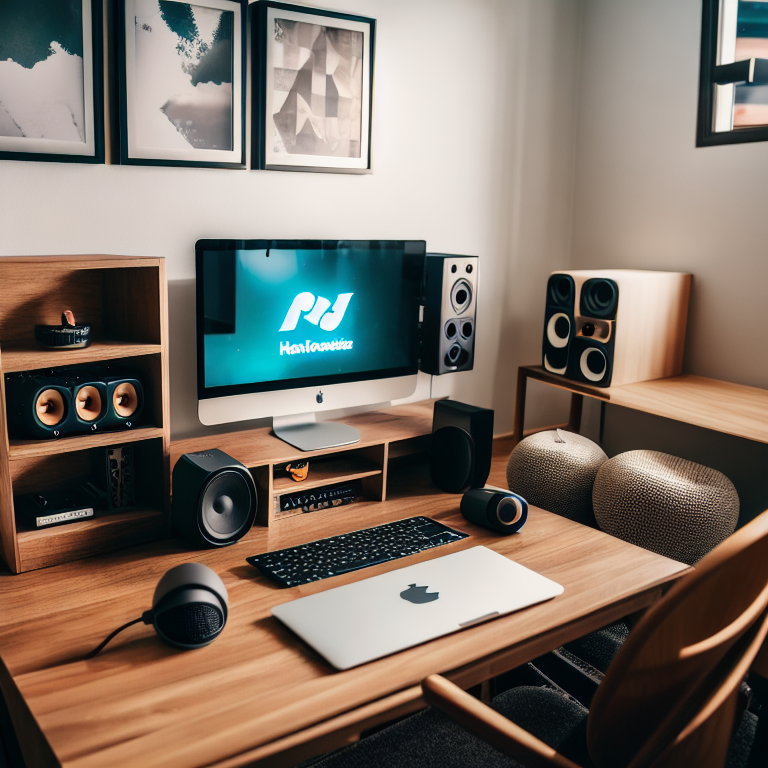
    Thinking about starting your own podcast? You’re not alone. Podcasts have exploded in popularity over the past few years, and it’s easier than ever to join the conversation. Whether you want to share your expertise, tell stories, or just have fun conversations, creating a podcast can be incredibly rewarding.

    But where do you begin? With so much equipment and advice out there, it’s easy to feel overwhelmed. The good news is that you don’t need a professional studio or expensive gear to get started. In this guide, we’ll walk you through the essential equipment and tips you need to launch your podcast successfully.

    We’ll cover everything from choosing the right microphone to setting up your recording space, plus some handy tricks to make your podcast sound great from day one. By the end, you’ll have a clear roadmap to follow and the confidence to hit that record button.

    Let’s dive in and explore what it takes to create a podcast that sounds professional and keeps listeners coming back for more.

  • How to Use Canva for Professional-Looking Designs

    Creating beautiful designs doesn’t require a degree in graphic design or expensive software. Canva has made professional-looking design accessible to everyone, from small business owners to social media enthusiasts. Whether you’re creating Instagram posts, business cards, or presentation slides, Canva offers an intuitive platform with thousands of templates and design elements to help you craft stunning visuals.

    The platform combines simplicity with powerful features, allowing users to drag and drop elements, customize colors, and add text with just a few clicks. You don’t need to start from scratch either—Canva’s extensive template library provides professionally designed layouts that you can easily modify to match your brand or personal style.

    Getting Started with Canva’s Interface

    When you first open Canva, you’ll notice a clean, organized dashboard that makes navigation simple. The left sidebar contains all your design tools, while the main workspace displays your current project. The top menu bar gives you quick access to essential functions like sharing, downloading, and resizing your designs.

    The template gallery is where you’ll spend a lot of time initially. Here you can browse through thousands of pre-designed layouts organized by category—social media posts, presentations, marketing materials, and more. Each template is fully customizable, so you can change colors, fonts, and images to make it your own. For those interested in creating eye-catching Pinterest pins, check out these 5 easy tips for designing eye-catching Pinterest pins that work perfectly with Canva’s layout options.

    Understanding the layers panel is crucial for managing your design elements. Each item you add to your canvas appears as a separate layer that you can rearrange, group, or delete. This feature gives you complete control over the positioning and hierarchy of elements in your design.

    Mastering Basic Design Tools

    Canva’s basic tools are surprisingly powerful once you understand how to use them effectively. The text tool allows you to add headings, subheadings, and body text with hundreds of font options. You can adjust letter spacing, line height, and text effects to create visually appealing typography that enhances your message.

    The elements library contains shapes, lines, illustrations, and icons that you can use to build your design. These elements are organized into categories, making it easy to find exactly what you need. You can also upload your own images and graphics to incorporate into your designs, giving you complete creative freedom.

    Color plays a vital role in professional design, and Canva makes color selection simple with its color picker and palette generator. You can upload an image and let Canva extract a color scheme from it, or manually select colors that complement each other. For guidance on creating cohesive color schemes, explore how to choose the perfect color palette for your brand with this simple guide.

    Working with Photos and Images

    High-quality images are essential for professional-looking designs, and Canva provides several ways to incorporate them. You can upload your own photos, choose from Canva’s extensive library of stock images, or search for specific visuals using keywords. The platform also offers basic photo editing tools like cropping, filters, and brightness adjustments.

    Background removal is a game-changing feature that allows you to isolate subjects from their backgrounds with just one click. This is particularly useful for creating product images or social media graphics where you want clean, professional-looking visuals without distracting backgrounds.

    When working with multiple images, alignment tools help you position them precisely. You can use grids, frames, and smart guides to ensure your photos are perfectly arranged. For YouTube creators looking to enhance their video content, these best free tools for editing YouTube thumbnails can complement your Canva designs for a cohesive brand presence.

    Creating Social Media Graphics

    Social media platforms each have their own ideal image dimensions, and Canva has templates optimized for every major platform. Whether you’re creating Instagram posts, Facebook covers, Twitter headers, or LinkedIn banners, you can select the exact dimensions needed for each platform.

    Consistency across your social media presence helps build brand recognition. You can create a brand kit in Canva that stores your logo, brand colors, and fonts, making it easy to maintain a consistent look across all your designs. This feature is especially valuable for businesses and content creators who need to produce multiple graphics that work together visually.

    For Instagram Stories, which require a vertical format, Canva offers specialized templates and design tools. Learn how to create stunning Instagram Stories with Canva using step-by-step techniques that help your content stand out in crowded feeds.

    Designing Presentations and Documents

    Canva isn’t just for social media graphics—it’s also an excellent tool for creating professional presentations and documents. The presentation templates offer modern, clean designs that can be customized with your content. You can add animations, transitions, and even embed videos to create engaging presentations.

    For documents like reports, newsletters, or proposals, Canva provides templates that combine text and visuals in an organized, professional manner. The grid system and alignment tools help you create layouts that are both attractive and easy to read. You can also collaborate with team members in real-time, making it ideal for group projects and business documents.

    When creating longer documents, consistency becomes even more important. Using master pages and consistent formatting throughout your document helps maintain a professional appearance. The ability to export to PDF ensures your documents look exactly as intended when shared with others.

    Advanced Features and Tips

    Once you’re comfortable with the basics, Canva offers several advanced features that can take your designs to the next level. The animation tool allows you to add movement to your designs, creating dynamic social media posts and presentations that grab attention. You can animate individual elements or entire pages with various animation styles.

    Brand kits are a premium feature that lets you save your brand’s visual identity for easy access across all your designs. This includes your logo, brand colors, fonts, and even saved templates. For businesses and frequent designers, this feature saves tremendous time while ensuring brand consistency.

    Canva also offers collaboration features that allow multiple users to work on the same design simultaneously. You can leave comments, make suggestions, and track changes, making it perfect for teams and client work. The platform also integrates with various apps and services, expanding its functionality even further.

    For video creators, Canva’s video editing capabilities are surprisingly robust. You can create short videos, add music, and incorporate text animations without leaving the platform. This makes it an excellent tool for creating YouTube intros, promotional videos, and social media content. Check out these DIY video editing tips for YouTube creators to complement your Canva video projects.

    Frequently Asked Questions

    What is the difference between Canva Free and Canva Pro?

    Canva Free offers thousands of templates, basic design tools, and limited access to photos and graphics. Canva Pro includes additional features like background removal, brand kits, unlimited folders, premium templates, and access to a larger library of photos and elements. Pro also offers resizing tools, animation features, and team collaboration options that aren’t available in the free version.

    Can I use Canva designs for commercial purposes?

    Yes, you can use Canva designs for commercial purposes, but there are some important considerations. Templates and elements provided by Canva can be used commercially, but you should check the licensing terms for specific elements. If you’re using free elements, ensure they’re labeled for commercial use. When you upgrade to Pro, you get access to more elements with commercial licenses included.

    How do I create a consistent brand look across all my designs?

    Start by creating a brand kit in Canva that includes your brand colors, fonts, and logo. Use this kit as the foundation for all your designs. Create a set of templates for your most common design needs, and save them in organized folders. Consistently use your brand elements and maintain similar layouts across different designs to create visual cohesion.

    Can I collaborate with others on Canva designs?

    Yes, Canva offers robust collaboration features. You can share designs with team members or clients and give them view or edit permissions. Collaborators can leave comments, suggest changes, and work on the design simultaneously. This feature is available in both free and Pro versions, though Pro offers additional team management tools.

    What file formats can I export from Canva?

    Canva supports multiple export formats including PNG, JPG, PDF, and MP4 for videos. PNG is ideal for graphics with transparency, JPG works well for photos, and PDF is perfect for documents and print materials. Pro users can also export in SVG format for vector graphics and access additional PDF options like PDF Print and PDF Standard.

    Conclusion

    Canva has revolutionized the way people approach design by making professional-quality graphics accessible to everyone. Whether you’re a complete beginner or have some design experience, the platform offers tools and features that can help you create stunning visuals for any purpose. The key to success with Canva is understanding its core features and practicing regularly to develop your design skills.

    Remember that great design is about more than just using templates—it’s about understanding basic design principles like color theory, typography, and layout. As you become more comfortable with Canva, don’t be afraid to experiment with different styles and techniques. The platform’s user-friendly interface makes it easy to try new things without the fear of making irreversible mistakes.

    With the tips and techniques covered in this guide, you’re well-equipped to start creating professional-looking designs that will impress your audience and elevate your visual content. Whether you’re building a personal brand, growing a business, or simply expressing your creativity, Canva provides the tools you need to bring your vision to life.

  • Best Practices for Designing Eye-Catching Social Media Graphics

    Creating stunning social media graphics can make a huge difference in how people see and interact with your brand online. Whether you’re posting on Instagram, Facebook, or Pinterest, eye-catching visuals grab attention and encourage people to stop scrolling. But what makes a graphic truly stand out? Let’s dive into the best practices for designing social media graphics that people can’t help but notice.

    ####Understanding Your Audience

    Before you even start designing, it’s important to know who you’re creating for. Think about your audience’s age, interests, and what they like to see online. For example, if your followers are mostly young adults, bright and trendy colors might work well. If you’re targeting professionals, a clean and simple look could be better. Knowing your audience helps you choose the right style, colors, and messages that will connect with them.

    ####Choosing the Right Colors

    Color is one of the first things people notice in a graphic. Using the right color palette can make your design pop and feel more professional. Stick to a few main colors that match your brand. If you’re not sure where to start, check out helpful guides like “How to Choose the Perfect Color Palette for Your Brand: A Simple Guide” for ideas. Remember, colors can also affect how people feel—warm colors like red and orange can feel energetic, while blues and greens are calming.

    ####Using Clear and Simple Fonts

    The text in your graphic should be easy to read, even on a small phone screen. Choose fonts that are clear and not too fancy. Avoid using too many different fonts in one graphic—two at most is a good rule. Make sure the text color stands out against the background so people don’t have to squint to read it. If you’re ever unsure about font choices, take a look at tips for designing Pinterest pins, where readability is super important.

    ####Keeping It Simple and Focused

    Sometimes, less is more. A cluttered graphic can confuse people and make it hard for them to understand your message. Focus on one main idea or call to action. Use plenty of white space (empty areas) to give your design room to breathe. This makes your graphic look clean and professional, and it helps your main message stand out.

    ####Using High-Quality Images

    Blurry or pixelated images can make your graphic look unprofessional. Always use high-quality photos or illustrations. If you’re using your own photos, make sure they’re well-lit and in focus. If you need free images, there are many websites that offer high-quality stock photos. For creating your own art, you might want to explore free digital art tools to make unique graphics that fit your style.

    ####Adding Your Brand Elements

    Your social media graphics should feel like they belong to your brand. This means using your logo, brand colors, and even your brand’s tone of voice in the text. When people see your graphics, they should instantly recognize who made them. This builds trust and helps your brand stand out.

    ####Optimizing for Each Platform

    Every social media platform has its own best practices for image sizes and styles. For example, Instagram Stories are vertical, while Facebook posts are more square. Make sure your graphics are the right size for each platform so they look their best. If you’re making Instagram Stories, check out guides like “How to Create Stunning Instagram Stories with Canva: A Step-by-Step Guide” for tips on getting the size and style just right.

    ####Using Templates for Consistency

    If you’re posting often, using templates can save you time and keep your designs consistent. Many tools, like Canva, offer free templates that you can customize with your own colors and text. This way, your graphics will always look professional and on-brand, even if you’re not a design expert.

    ####Testing and Improving Your Designs

    After you post your graphics, pay attention to how people respond. Which ones get the most likes, comments, or shares? Use this information to improve your future designs. Sometimes, small changes—like adjusting the font size or changing the background color—can make a big difference.

    ####Adding Fun and Personality

    Social media is all about being fun and relatable. Don’t be afraid to add a little humor or personality to your graphics. Use playful illustrations, fun icons, or even memes if they fit your brand. People love to share things that make them smile, so adding a personal touch can help your graphics spread even further.

    ####Making Graphics Accessible

    It’s important to make sure everyone can enjoy your graphics, including people with vision impairments. Use high-contrast colors so text is easy to read, and add alt text to describe your images. This helps people using screen readers understand what’s in your graphic. Making your designs accessible shows you care about all your followers.

    ####Staying Up-to-Date with Trends

    Social media trends change quickly, and it’s good to keep an eye on what’s popular. This doesn’t mean you have to follow every trend, but sometimes adding a trendy element can make your graphics feel fresh and relevant. Just be sure it fits with your brand and doesn’t distract from your main message.

    ####Frequently Asked Questions (FAQ)

    What are the best tools for making social media graphics?
    There are many great tools, like Canva, Adobe Spark, and free digital art tools. These make it easy to create professional-looking graphics, even if you’re not a designer.

    How do I choose the right colors for my graphics?
    Start with your brand colors, and use a color palette tool if you need ideas. Make sure your colors look good together and are easy to read.

    What size should my social media graphics be?
    Each platform has its own recommended sizes. For example, Instagram posts are usually square, while Stories are vertical. Always check the latest guidelines for each platform.

    How can I make my graphics more engaging?
    Use clear, bold text, high-quality images, and a simple design. Add a call to action, like asking people to like or share your post.

    Why is it important to keep my graphics consistent?
    Consistency helps people recognize your brand quickly. Using the same colors, fonts, and style makes your posts feel connected and professional.

    Can I use free images in my graphics?
    Yes! There are many websites that offer free, high-quality images. Just make sure to check the license so you know how you can use them.

    ####Conclusion

    Designing eye-catching social media graphics doesn’t have to be hard. By understanding your audience, using the right colors and fonts, keeping your designs simple, and staying consistent with your brand, you can create visuals that people love to see and share. Remember to always use high-quality images, optimize for each platform, and keep your designs accessible to everyone. With a little practice and creativity, your social media graphics will stand out and help your brand shine online.

  • DIY Video Editing Tips for YouTube Creators: Easy Steps to Better Videos

    DIY Video Editing Tips for YouTube Creators: Easy Steps to Better Videos

    Starting your YouTube channel is exciting, but learning video editing can feel overwhelming at first. Don’t worry – with a few simple techniques and the right mindset, you can create videos that look professional and keep viewers coming back for more.

    Video editing is really just about telling your story in the best way possible. Whether you’re sharing cooking tutorials, travel adventures, or daily vlogs, these DIY video editing tips will help you work faster and make your content shine.

    Let’s dive into the world of video editing and discover how you can transform your raw footage into engaging content that your audience will love.

    Getting Started with Your Editing Software

    Choosing the right editing software is your first step. Free options like DaVinci Resolve, iMovie, or even mobile apps like CapCut work great for beginners. Start with what you have – you don’t need expensive software to create amazing videos.

    Take time to learn the basics of your chosen software. Watch tutorial videos, practice with sample footage, and don’t be afraid to experiment. Most editing programs have similar layouts with a timeline, preview window, and media library.

    Organize your files before you start editing. Create folders for your raw footage, audio files, graphics, and exports. This organization saves you tons of time later when you’re searching for that perfect clip.

    Planning Your Video Structure

    Before you even open your editing software, think about your video’s structure. What’s the main message? How will you keep viewers interested from start to finish? Planning helps you edit faster and create more engaging content.

    Most successful YouTube videos follow a simple formula: hook viewers in the first 15 seconds, deliver your main content, and end with a clear call-to-action. Keep this structure in mind as you arrange your clips.

    Consider creating a rough outline or storyboard. Even a simple bullet-point list of what happens in each section can guide your editing decisions and help maintain a good flow throughout your video.

    Mastering Basic Cuts and Transitions

    The foundation of good video editing is knowing when to cut. Basic cuts – where one clip immediately follows another – are your best friend. They keep the video moving without distracting fancy effects.

    Avoid overusing transitions like wipes and dissolves. While they might look cool, too many transitions can make your video feel unprofessional. Stick to simple cuts for most of your video, using transitions only when they serve a specific purpose.

    Pay attention to the rhythm of your cuts. Try to match cuts to the beat of background music or natural pauses in dialogue. This creates a more polished, professional feel to your videos.

    Perfecting Audio for Better Engagement

    Audio quality is just as important as video quality. Poor audio can make even the most beautiful footage unwatchable. Always use an external microphone when possible, and clean up your audio in editing.

    Remove background noise using your editing software’s noise reduction tools. Even free programs have basic audio cleanup features. You can also use free tools like Audacity for more advanced audio editing.

    Add background music to set the mood, but keep it at a low volume so it doesn’t overpower your voice. Free music sites like YouTube’s Audio Library offer royalty-free tracks you can use safely in your videos.

    Color Correction Made Simple

    Color correction helps your video look more professional and consistent. Even basic adjustments can make a huge difference in how your content appears to viewers.

    Start with basic adjustments like brightness, contrast, and saturation. Most editing software has automatic color correction tools that work well for beginners. Use these as a starting point, then make manual adjustments if needed.

    Create a consistent look across all your videos by saving your color settings as presets. This helps establish your brand’s visual style and makes future editing faster.

    Adding Text and Graphics Effectively

    Text overlays and graphics can help explain complex ideas or add emphasis to important points. Keep your text simple, readable, and on-brand with your channel’s style.

    Use large, clear fonts that are easy to read on mobile devices. Stick to 2-3 colors maximum, and make sure there’s enough contrast between your text and background.

    Free design tools like Canva can help you create custom thumbnails and channel art. Check out our guide on creating stunning Instagram stories with Canva for more design tips that work perfectly for YouTube graphics.

    Optimizing for YouTube Success

    YouTube has specific requirements for video format, length, and quality. Export your videos in 1080p HD at 30fps for the best balance of quality and file size.

    Pay attention to your video’s title, description, and tags. These help YouTube understand what your video is about and suggest it to the right viewers. Use keywords naturally in your descriptions.

    Create eye-catching thumbnails that make people want to click. Our article on the best free tools for editing YouTube thumbnails can help you design professional-looking thumbnails without expensive software.

    Common Mistakes to Avoid

    One of the biggest mistakes new creators make is trying to make everything perfect. Remember, consistency beats perfection. It’s better to publish regularly than to spend months perfecting one video.

    Don’t ignore your audio. Many beginners focus only on video quality and forget that bad audio can ruin a great video. Always test your audio before recording important content.

    Avoid information overload. Keep your videos focused on one main topic or idea. If you have multiple topics, consider making separate videos instead of cramming everything into one long video.

    Building Your Editing Workflow

    Develop a consistent editing process that works for you. This might include organizing footage, rough cutting, fine-tuning, adding music and effects, and final review.

    Create templates for elements you use frequently, like intro animations or lower thirds. This saves time and helps maintain a consistent look across your videos.

    Set realistic deadlines for yourself. Editing can take longer than you expect, especially when you’re learning. Give yourself enough time to create quality content without burning out.

    Frequently Asked Questions

    What’s the best free video editing software for beginners?
    DaVinci Resolve and iMovie are excellent free options. They offer professional features without the cost, and there are tons of free tutorials available online.

    How long should my YouTube videos be?
    The ideal length depends on your content and audience. Generally, aim for 7-15 minutes for most content. Focus on providing value rather than hitting a specific time target.

    Do I need expensive equipment to start?
    No! You can start with just your smartphone. Many successful YouTubers began with basic equipment. Focus on good lighting and clear audio first, then upgrade equipment as you grow.

    How can I make my videos more engaging?
    Start with a strong hook in the first 15 seconds, maintain a good pace, and always provide value to your viewers. Ask questions, tell stories, and encourage interaction through comments.

    What’s the best way to learn video editing?
    Practice consistently and watch tutorials from experienced creators. Start with simple projects and gradually take on more complex editing techniques. Don’t be afraid to make mistakes – they’re part of the learning process.

    Conclusion

    Video editing doesn’t have to be scary or complicated. With these DIY tips and consistent practice, you’ll be creating professional-looking YouTube videos in no time. Remember that every successful creator started exactly where you are now.

    The key is to start simple, stay consistent, and keep learning. Your editing skills will improve with each video you create. Don’t compare your beginning to someone else’s middle – focus on your own progress and enjoy the creative journey.

    Ready to take your YouTube channel to the next level? Check out our other helpful articles on designing eye-catching Pinterest pins and choosing the perfect color palette for your brand. These skills complement your video editing knowledge and help create a cohesive online presence.

    Now grab your footage, open your editing software, and start creating amazing content. Your future audience is waiting to see what you’ll make!

  • Top 5 Apps for Easy Photo Editing on Your Phone

    Top 5 Apps for Easy Photo Editing on Your Phone

    Have you ever taken a great photo with your phone but wished it could look even better? Maybe the colors seem dull, or there’s an unwanted object in the background. That’s where photo editing apps come in handy! These apps can transform your ordinary photos into stunning images right from your phone.

    In this article, I’ll share the top 5 apps for easy photo editing that anyone can use. Whether you’re a beginner or have some experience, these apps will help you create beautiful photos without needing a computer or expensive software.

    Best Apps for Quick Photo Fixes

    Sometimes you just need to make a few quick adjustments to your photos. Maybe the lighting wasn’t perfect, or the colors look a bit off. The right app can fix these issues in seconds.

    Snapseed is a fantastic free app from Google that offers professional-quality editing tools in a simple package. You can adjust brightness, contrast, and color with easy-to-use sliders. The app also includes cool features like selective editing, where you can enhance just one part of your photo without affecting the rest.

    VSCO is another popular choice that combines powerful editing tools with a social community. It offers a wide range of filters that can give your photos a consistent look across all your social media posts. The app is free to download, though some premium features require a subscription.

    Lightroom Mobile from Adobe brings desktop-quality editing to your phone. It syncs with the desktop version, so you can start editing on your phone and finish on your computer. The app includes advanced color grading tools that let you adjust the hue, saturation, and luminance of individual colors in your photos.

    Creative Filters and Effects

    Adding creative filters and effects can completely change the mood of your photos. These apps make it fun to experiment with different looks without permanently altering your original image.

    Afterlight offers a huge collection of filters, textures, and frames that can give your photos a unique style. The app includes both modern and vintage effects, so you can create anything from bright, clean images to nostalgic, film-like photos. It’s particularly good for Instagram users who want their feed to have a consistent aesthetic.

    Prisma uses artificial intelligence to turn your photos into artwork inspired by famous artists. You can make your selfie look like a Picasso painting or transform a landscape into something that resembles Van Gogh’s style. While it’s more about artistic effects than traditional editing, it’s a fun way to create something truly unique.

    Removing Unwanted Objects

    Ever taken a perfect photo only to notice a trash can or random person in the background? These apps can help you remove unwanted elements from your pictures.

    TouchRetouch makes it incredibly easy to remove objects from photos. You simply highlight the area you want to remove, and the app fills it in with surrounding pixels. It works great for removing power lines, blemishes, or even entire people from the background of your photos.

    Adobe Photoshop Fix offers similar object removal tools along with other advanced features. The app uses content-aware fill technology to intelligently remove objects while maintaining the natural look of your photo. It’s particularly useful for portrait editing, where you might want to remove skin imperfections or stray hairs.

    Organizing Your Photo Library

    Keeping your photos organized can make editing much easier. These apps help you sort, tag, and find your best shots quickly.

    Google Photos automatically backs up your photos and organizes them using AI. It can recognize faces, locations, and even objects in your photos, making it easy to find specific images later. The app also includes basic editing tools and creates automatic animations and collages from your pictures.

    Adobe Lightroom Mobile not only edits photos but also helps you organize them with powerful cataloging features. You can add keywords, create collections, and rate your photos to keep track of your best work. The app syncs across all your devices, so your organized library is always available.

    Learning Photo Editing Basics

    If you’re new to photo editing, these apps include tutorials and guides to help you learn the basics.

    Snapseed includes helpful tooltips that explain what each tool does as you use it. The app also has a “Looks” feature that applies professional edits with one tap, which is great for seeing how different adjustments affect your photo.

    VSCO has a Discover section where you can see how other users edit their photos. This can give you inspiration and help you learn new techniques. The app also offers editing tutorials and tips from professional photographers.

    Lightroom Mobile includes built-in tutorials and a helpful community where you can ask questions and get feedback on your edits. Adobe also offers free online classes that teach photo editing basics.

    Sharing Your Edited Photos

    Once you’ve created beautiful photos, you’ll want to share them with friends and followers. These apps make sharing easy and help your photos look their best on social media.

    VSCO includes its own social platform where you can share your edited photos with other users. The app is designed to make photos look great on Instagram, with specific export settings for different social media platforms.

    Snapseed lets you share directly to Instagram, Facebook, and other apps. The app includes a “View edits” feature that shows you exactly what changes were made to your photo, which can help you learn and improve your editing skills.

    Lightroom Mobile syncs with Adobe’s Creative Cloud, making it easy to share your work across devices or with clients if you’re a professional photographer. The app also integrates with various social media platforms for direct sharing.

    Frequently Asked Questions (FAQ)

    What’s the best free photo editing app for beginners?
    Snapseed is often recommended as the best free app for beginners because it offers powerful tools in an easy-to-use interface. It’s completely free with no ads or in-app purchases required.

    Can I edit RAW photos on my phone?
    Yes, many advanced editing apps like Lightroom Mobile and Snapseed support RAW photo editing. This allows you to work with the highest quality files from your camera.

    How do I make my photos look professional?
    Start with good lighting when taking the photo, then use apps like Lightroom Mobile to adjust exposure, contrast, and color balance. Consistent editing across all your photos also helps create a professional look.

    Are there apps that can remove backgrounds from photos?
    Yes, apps like Adobe Photoshop Fix and specialized background removal apps can help you isolate subjects from their backgrounds. Some also offer automatic background removal using AI.

    Do I need an internet connection to use these apps?
    Most editing apps work offline, though some features like cloud storage, syncing, and certain AI-powered tools may require an internet connection.

    Conclusion

    Photo editing apps have made it possible for anyone to create beautiful images right from their phone. Whether you need quick fixes, creative effects, or professional-quality edits, there’s an app that can help you achieve your vision.

    The five apps we’ve covered – Snapseed, VSCO, Lightroom Mobile, Afterlight, and TouchRetouch – each offer something unique. Snapseed is perfect for beginners wanting powerful free tools. VSCO combines editing with a creative community. Lightroom Mobile brings professional features to your pocket. Afterlight offers fun creative effects, and TouchRetouch solves specific problems like removing unwanted objects.

    Remember that the best app for you depends on your specific needs and skill level. Many of these apps offer free versions, so you can try them out before committing to a paid subscription. With practice and experimentation, you’ll be creating stunning photos that capture exactly what you envisioned.

    Don’t forget to check out our other helpful articles like [How to Choose the Perfect Color Palette for Your Brand: A Simple Guide](https://y65.site/brand-color-palette-guide/) and [5 Easy Tips for Designing Eye-Catching Pinterest Pins](https://y65.site/pinterest-design-tips/) to improve your visual content even further. Happy editing!

  • How to Create Stunning Digital Art with Free Tools

    How to Create Stunning Digital Art with Free Tools

    Creating beautiful digital art doesn’t require expensive software or fancy equipment. Thanks to the many free tools available today, anyone can start making stunning artwork right away. Whether you’re just starting out or want to improve your digital art skills, these free programs offer professional-quality features that rival paid alternatives.

    The best part about digital art is that you can experiment without worrying about wasting materials. Made a mistake? No problem – just hit undo. Want to try a different color scheme? Easy to change. This freedom to explore and create without limits is what makes digital art so exciting and accessible to everyone.

    Essential Free Digital Art Software

    The foundation of any digital art journey is finding the right software. Several excellent free programs can handle everything from simple sketches to complex paintings.

    Krita is one of the most popular free art programs, offering hundreds of brushes, layer support, and animation tools. It works great for both beginners and professionals, with an interface that’s easy to learn but powerful enough for serious projects.

    GIMP is another fantastic option, especially if you want photo editing capabilities along with digital painting tools. It handles layers, filters, and effects beautifully, making it perfect for creating mixed media artwork.

    MediBang Paint is ideal for comic artists and illustrators, with built-in comic templates, cloud storage, and a clean, simple interface that’s perfect for quick sketches and detailed illustrations.

    Setting Up Your Digital Workspace

    Before you start creating, you’ll want to set up your workspace for maximum creativity and comfort. Even with free tools, having the right setup makes a huge difference.

    A drawing tablet is the most common tool for digital art, but you don’t need an expensive one. Many artists start with basic graphics tablets that connect to your computer via USB. If you don’t have a tablet, you can still create amazing art using a mouse or even your finger on a touchscreen device.

    Make sure your workspace has good lighting to reduce eye strain, and consider using a color-calibrated monitor if possible. This helps ensure the colors you see on screen match what you intend to create.

    Understanding Basic Digital Art Techniques

    Digital art has some unique techniques that differ from traditional drawing and painting. Learning these basics will help you create better artwork faster.

    Layers are one of the most powerful features in digital art. Think of them like transparent sheets stacked on top of each other. You can draw on separate layers for the background, characters, and details, making it easy to edit specific parts without affecting others.

    Brush settings are another important concept. Most free art programs let you adjust brush size, opacity, flow, and texture. Experimenting with these settings helps you achieve different effects, from soft watercolor-like strokes to sharp, detailed lines.

    Selection tools let you isolate parts of your artwork for editing, moving, or applying effects. Learning to use the lasso, magic wand, and other selection tools will speed up your workflow significantly.

    Finding Inspiration and Building Your Style

    Every artist needs inspiration, and the digital world offers endless sources. Social media platforms like Instagram and Pinterest are filled with amazing artwork you can study and learn from.

    Start by collecting references – photos, paintings, or other artwork that inspire you. Many free art programs include built-in browser windows or allow you to keep reference images open alongside your workspace.

    Don’t worry about copying other artists’ styles exactly. Instead, study what you like about their work and incorporate those elements into your own unique style. Over time, you’ll develop a personal artistic voice that’s distinctly yours.

    Free Resources for Digital Artists

    Beyond the software itself, many free resources can enhance your digital art journey. Brush packs are available for most free programs, offering specialized tools for different styles like manga, oil painting, or pixel art.

    Color palettes and swatches can be downloaded for free, helping you choose harmonious color combinations without the guesswork. Many artists share their custom palettes online, organized by theme or mood.

    Tutorial websites and YouTube channels offer countless free lessons on everything from basic techniques to advanced effects. Sites like Draw with Jazza, Proko, and Ctrl+Paint have excellent free content for artists at all levels.

    Common Digital Art Mistakes to Avoid

    When starting out, it’s easy to make mistakes that can slow your progress or frustrate you. Being aware of these common pitfalls helps you avoid them.

    One mistake is trying to use too many fancy brushes or effects before mastering the basics. Start with simple brushes and focus on fundamentals like composition, lighting, and anatomy before getting into complex techniques.

    Another common error is working at too low a resolution. Always create your artwork at a high enough resolution (at least 300 DPI) so you can print it later if desired. Low-resolution art looks blurry and unprofessional.

    Many beginners also struggle with color management. Make sure your monitor is set to a standard color profile, and learn basic color theory to create more appealing artwork.

    Taking Your Art to the Next Level

    Once you’re comfortable with the basics, there are several ways to improve your digital art skills. Regular practice is essential – try to create something every day, even if it’s just a quick sketch.

    Study traditional art fundamentals like perspective, anatomy, and composition. These principles apply to digital art just as much as traditional media, and understanding them will dramatically improve your work.

    Join online art communities where you can share your work, get feedback, and connect with other artists. Many free art programs have active communities that share tips, resources, and encouragement.

    Frequently Asked Questions (FAQ)

    What’s the best free software for beginners in digital art?
    Krita is often recommended for beginners because it has an intuitive interface while still offering powerful features. It’s free, regularly updated, and has a large community of users who share tutorials and resources.

    Can I make professional-quality art with free tools?
    Absolutely! Many professional artists use free software like Krita and GIMP. The quality of your art depends more on your skills and creativity than the cost of your tools. Several successful illustrators and concept artists create their work entirely with free programs.

    Do I need a drawing tablet to create digital art?
    While a drawing tablet makes the process more natural and precise, it’s not required. Many artists create beautiful digital art using only a mouse or even touchscreens. If you’re just starting out, try creating with what you have before investing in equipment.

    How can I learn digital art techniques for free?
    YouTube has countless free tutorials covering every aspect of digital art. Many professional artists also offer free courses on their websites or social media platforms. Practice consistently and don’t be afraid to experiment with different techniques.

    What file formats should I use when saving my digital art?
    For working files, use your program’s native format (like .kra for Krita or .xcf for GIMP) to preserve layers and editability. For sharing or printing, save as high-quality PNG or JPEG files. If you need transparency, use PNG format.

    Conclusion

    Creating stunning digital art with free tools is absolutely possible and more accessible than ever before. The key is to start simple, practice regularly, and gradually build your skills and confidence. With programs like Krita, GIMP, and MediBang Paint, along with countless free resources and tutorials, you have everything you need to begin your digital art journey today.

    Remember that every artist starts somewhere, and your first pieces don’t need to be perfect. Focus on enjoying the creative process, learning from your mistakes, and developing your unique style over time. The digital art community is welcoming and supportive, so don’t hesitate to share your work and connect with other artists.

    Most importantly, have fun creating! Digital art offers endless possibilities for expression and creativity, and with free tools at your fingertips, there’s nothing stopping you from making amazing artwork. Start exploring these programs today, and you might discover a passion that brings you joy for years to come.

  • How to Choose the Perfect Color Palette for Your Brand: A Simple Guide

    How to Choose the Perfect Color Palette for Your Brand: A Simple Guide

    Choosing the right colors for your brand feels like picking the perfect outfit for a first date – it needs to make the right impression and show who you really are. The colors you choose will show up everywhere from your website to your business cards, so getting it right matters a lot.

    Your brand colors tell people what you’re about before you even say a word. Think about how you feel when you see a bright red logo versus a soft blue one. Red might make you feel excited or hungry, while blue often feels calm and trustworthy. That’s exactly why picking the perfect color palette is so important for your business.

    Let’s walk through everything you need to know to choose colors that will make your brand stand out and connect with the right people.

    Understanding Color Psychology

    Colors speak a language all their own. Different colors make people feel different things, and understanding this can help you pick colors that match your brand’s personality.

    Red creates excitement and energy. It’s bold and attention-grabbing, which is why you see it on fast food signs and sale tags. Blue builds trust and feels professional – perfect for banks and tech companies. Green connects to nature and health, making it great for eco-friendly or wellness brands. Yellow feels happy and optimistic, while purple suggests luxury and creativity.

    Think about what feelings you want people to have when they see your brand. Do you want them to feel calm? Energized? Trusted? Your color choices should match those feelings.

    Know Your Brand Personality

    Before picking any colors, you need to know who your brand really is. Are you fun and playful, or serious and professional? Modern and sleek, or warm and traditional?

    Write down words that describe your brand. If you’re a children’s toy company, words like “fun,” “bright,” and “energetic” might come to mind. If you’re a law firm, you might think “trustworthy,” “professional,” and “reliable.”

    Your colors should match this personality. A fun, playful brand might use bright, bold colors, while a professional service might stick to more muted, sophisticated tones.

    Look at Your Competition

    Take a look at what colors your competitors are using. You don’t want to copy them, but you do want to know what’s already out there. This helps you stand out while still fitting into your industry.

    For example, many banks use blue because it feels trustworthy. If you’re starting a new bank, you might want to use blue too, but maybe add a unique accent color to make yourself different.

    Create Your Color Palette Structure

    A good color palette usually has 3-5 main colors that work together. Here’s a simple structure to follow:

    Start with a main color that represents your brand. This will be the color people remember most about you. Then pick 1-2 secondary colors that complement your main color. Finally, choose 1-2 neutral colors for backgrounds and text.

    Think of it like building a house. Your main color is the foundation, secondary colors are the walls, and neutrals are the trim that makes everything look finished.

    Use the Color Wheel

    The color wheel is your best friend when picking colors that look good together. Colors opposite each other on the wheel (like blue and orange) create high contrast and energy. Colors next to each other (like blue, blue-green, and green) feel more harmonious and calm.

    You can use free tools like Adobe Color or Coolors to play with different color combinations. These tools let you see how colors look together before you commit.

    Test Your Colors in Different Places

    Your colors need to look good everywhere – on screens, in print, and in different lighting. A color that looks perfect on your computer might look different on a phone or when printed.

    Test your colors on different devices. Check how they look in both light and dark modes. Make sure your text is readable against your background colors. If you’re printing materials, get samples to see how the colors actually print.

    Consider Cultural Meanings

    Colors mean different things in different cultures. White means purity in Western countries but can mean mourning in some Eastern cultures. Red means luck in China but can mean danger in other places.

    If you’re planning to work with people from different backgrounds, research what your colors might mean to them. You want to make sure you’re sending the right message.

    Create Your Brand Style Guide

    Once you’ve picked your colors, write down exactly how to use them. Include the color codes (like hex codes for web use) and rules for when to use each color.

    Your style guide should say things like “Use the main blue for logos” or “Use the light gray for backgrounds.” This keeps your brand looking consistent everywhere.

    Common Color Palette Mistakes to Avoid

    Many people make the same mistakes when choosing brand colors. Here are some to watch out for:

    Using too many colors can make your brand look messy and unprofessional. Stick to 3-5 main colors maximum. Also, make sure your colors have enough contrast so text is readable. Light gray text on a white background might look nice, but it’s hard to read.

    Another mistake is picking trendy colors that might look dated in a year. Classic color combinations tend to last longer than trendy ones.

    Tools to Help You Choose

    There are lots of great tools to help you pick and test colors. Canva has a color wheel and palette generator that’s easy to use. Coolors.co lets you generate random palettes or lock in colors you like and find others that match.

    For more advanced options, Adobe Color lets you create palettes based on color theory rules. You can also upload an image you love and extract colors from it.

    How to Use Your Colors

    Once you have your palette, you need to know how to use it. Your main color should appear most often – maybe in your logo, headlines, and main buttons. Secondary colors can highlight important information or create visual interest. Neutrals work great for backgrounds and body text.

    Think about hierarchy. What do you want people to notice first? Use your boldest colors for the most important elements.

    Getting Feedback

    Before you finalize your colors, get feedback from others. Show your palette to people in your target audience and ask what feelings or ideas the colors give them.

    You can also test different color combinations to see which ones get the best response. Sometimes what looks good to you might not connect with your audience the way you hoped.

    Frequently Asked Questions

    What’s the difference between RGB and CMYK colors?

    RGB colors are for screens (like websites and phones) and use red, green, and blue light to create colors. CMYK colors are for printing and use cyan, magenta, yellow, and black ink. Make sure you have both versions of your colors for different uses.

    How many colors should my brand have?

    Most brands work well with 3-5 main colors. This gives you enough variety without being overwhelming. You can add lighter and darker versions of these colors as needed.

    Can I change my brand colors later?

    Yes, but it’s best to pick colors you can live with for a long time. Changing colors means updating everything from your website to your business cards, which can be expensive and confusing for customers.

    Should my personal favorite colors be my brand colors?

    Not necessarily. Your brand colors should appeal to your target audience, not just you. If your favorite colors match what your audience likes and what fits your brand personality, that’s great. But don’t choose colors just because you like them.

    How do I know if my colors work well together?

    Use color theory principles and test your colors in different combinations. Tools like Adobe Color can show you if your colors create good contrast and harmony. Also, get feedback from others to see if the combination feels right.

    Conclusion

    Picking the perfect color palette for your brand takes some thought, but it’s worth the effort. Your colors will become one of the most recognizable parts of your brand identity, so choose ones that truly represent who you are and connect with the people you want to reach.

    Start by understanding color psychology and your brand personality. Then use tools and principles to create a palette that works well together. Test your colors in different situations and get feedback before making your final decision.

    Remember, great brand colors do more than just look pretty – they tell your story, create feelings, and help people remember you. Take your time with this process, and you’ll end up with colors that serve your brand well for years to come.

    Now that you understand color palettes, you might want to check out our guide on How to Create Stunning Instagram Stories with Canva to see how to use your new colors in social media content!