Category: Indie Films

  • How Indie Filmmakers Turn Limitations Into Creative Advantages

    How Indie Filmmakers Turn Limitations Into Creative Advantages

    Have you ever watched an independent film and wondered how they made something so compelling with so little? The truth is, limitations can actually be a filmmaker’s secret weapon. When you don’t have millions to spend, you get creative in ways that big-budget productions never need to be. This is where indie filmmaking truly shines.

    Many famous directors started exactly where you might be now – working with tight budgets, small crews, and big dreams. Think about films like “Paranormal Activity” or “The Blair Witch Project.” These movies didn’t need massive sets or expensive special effects. Instead, they used creativity, resourcefulness, and limitations to their advantage. The result? Movies that felt raw, real, and deeply engaging.

    The beauty of indie filmmaking lies in how constraints push you to think differently. When you can’t afford fancy equipment, you learn to tell stories in unique ways. When you have limited locations, you discover how to make one place feel like ten different ones. These limitations aren’t roadblocks – they’re creative fuel.

  • Indie Films That Perfectly Capture Small-Town Life

    Small towns have a magic all their own – that mix of tight-knit community, quiet moments, and hidden dramas that play out under the radar of big-city life. Indie filmmakers have long been drawn to these settings, finding rich storytelling ground in the familiar rhythms and secrets of small-town America. These films capture something authentic about life where everyone knows your name, the local diner is the center of the universe, and big dreams often come with small-town complications.

    What makes indie films so perfect for exploring small-town life? They work with smaller budgets, which means they can’t rely on flashy special effects or massive sets. Instead, they focus on character development, authentic dialogue, and the subtle tensions that exist in close communities. The best indie films about small towns feel like you’re peeking through someone’s window – intimate, honest, and sometimes uncomfortably real.

    Let me share some indie films that nail the small-town experience in ways that will make you laugh, cry, and maybe see your own hometown in a new light.

    The Power of Place in Indie Storytelling

    Indie filmmakers understand that location isn’t just a backdrop – it’s practically a character itself. Small towns provide built-in limitations that force creative storytelling. When your characters can’t just disappear into a crowd or escape to the anonymity of a big city, every interaction carries more weight. The physical isolation of small towns creates emotional isolation too, perfect for exploring themes of belonging, escape, and identity.

    These films often use real locations rather than studio sets, giving them an authenticity that resonates with viewers. You can practically smell the diner coffee and feel the humidity of a summer night in these movies. The pacing tends to be slower, matching the rhythm of small-town life where nothing happens quickly except gossip.

    Character-Driven Stories That Feel Real

    In small towns, everyone knows everyone’s business, and indie films capture this dynamic brilliantly. The characters feel like people you might actually meet – the high school football coach who never left town, the waitress with dreams of the big city, the elderly neighbor who remembers when the main street was thriving. These aren’t superheroes or spies; they’re ordinary people dealing with ordinary problems that feel monumental in a small-town context.

    The dialogue in these films often has a natural rhythm that sounds like actual conversation. No one’s giving speeches or delivering perfect one-liners. Instead, you get the awkward pauses, the unfinished thoughts, and the way people in small towns often talk around what they really mean.

    Coming of Age in a Fishbowl

    Several classic indie films explore what it’s like to grow up in a place where your mistakes are never really private. Lady Bird (though technically set in Sacramento, which has small-town qualities despite being a city) captures that feeling of being trapped in a place you’re desperate to escape. The Spectacular Now shows how teenage drama feels amplified when there’s nowhere to hide.

    These coming-of-age stories work so well in small-town settings because the limited options and watchful eyes of the community create natural tension. Every party, every relationship, every bad decision becomes community knowledge within hours. The pressure to conform while simultaneously wanting to break free drives many of these narratives.

    The Weight of History and Tradition

    Small towns are often built on layers of history that indie films explore beautifully. The Last Picture Show captures a dying Texas town where the past glory is fading but still casts a long shadow. The traditions, the old wounds, the stories that get told and retold – these create a sense of place that feels lived-in and real.

    These films often deal with how younger generations relate to the history of their town. Do they embrace it, rebel against it, or try to escape it entirely? The answer varies, but the tension between past and future drives many small-town indie narratives.

    Community as Both Comfort and Prison

    One of the most fascinating aspects indie films explore is how small towns can be both incredibly supportive and incredibly stifling. The Station Agent shows how a tight-knit community can embrace an outsider, while also highlighting how difficult it is to maintain privacy. The Way Way Back captures that summer feeling where the community pool becomes the center of the universe.

    These films understand that in small towns, your support system is always there – but so is your audience. Need help? Someone will be there in minutes. Want to try something new? Everyone will have an opinion about it by dinner. This dual nature creates perfect dramatic tension.

    Economic Realities and Small-Town Survival

    Many indie films don’t shy away from the economic challenges facing small towns. Frozen River explores the desperate choices people make when traditional ways of making a living disappear. Winter’s Bone shows the harsh realities of rural poverty and the complicated family obligations that come with it.

    These films often deal with how global economic changes impact local communities. The factory closing, the main street businesses shutting down, the young people leaving – these are real issues that indie filmmakers tackle with honesty and nuance.

    The Outsider’s Perspective

    Sometimes the most insightful views of small-town life come from characters who don’t quite fit in. In Paterson, the main character is an artist in a working-class town, finding beauty in the mundane. Breaking Away explores class tensions in a college town where locals feel overshadowed by the university.

    These outsider perspectives allow the films to examine small-town life with fresh eyes, noticing details that lifelong residents might take for granted. They also create natural conflict and character development as the outsider either finds their place or decides to leave.

    Family Dynamics Under a Microscope

    In small towns, family reputation matters enormously, and indie films explore this dynamic with fascinating complexity. The Squid and the Whale shows how divorce plays out in a tight-knit Brooklyn community that functions like a small town. Little Miss Sunshine captures a dysfunctional family road trip that feels both hilarious and painfully real.

    These films understand that in small towns, family drama isn’t private – it becomes community property. The pressure to maintain appearances while dealing with internal chaos creates rich storytelling opportunities.

    Finding Beauty in the Ordinary

    Perhaps the greatest strength of indie films about small towns is their ability to find extraordinary moments in ordinary lives. Junebug shows the beauty and complexity of a Southern family reunion. The Straight Story proves that a simple journey across rural America can be profoundly moving.

    These films remind us that small-town life, while sometimes limiting, also offers moments of connection and beauty that can be easily missed in the rush of big-city living. They find poetry in the everyday – the way light hits a diner at sunset, the sound of cicadas on a summer night, the comfort of familiar faces.

    Frequently Asked Questions About Indie Small-Town Films

    What makes a film “indie” versus mainstream?

    Indie films are typically produced outside the major studio system, with smaller budgets and more creative control for the filmmakers. They often focus on character-driven stories and take more risks with subject matter and style than mainstream Hollywood productions.

    Why do so many indie films take place in small towns?

    Small towns provide natural limitations and tensions that create compelling drama without requiring big budgets. The close-knit community dynamics, limited opportunities, and strong sense of place offer rich storytelling ground that indie filmmakers excel at exploring.

    Are these films realistic portrayals of small-town life?

    While every film takes some creative liberties, many indie small-town films are praised for their authenticity. Filmmakers often spend time in the locations they portray, working with local actors and incorporating real details that resonate with viewers from similar communities.

    Which indie small-town film should I watch first?

    It depends on your interests, but The Station Agent is often recommended as an accessible entry point – it’s warm, funny, and moving without being heavy-handed. For something more challenging, Winter’s Bone offers a powerful look at rural American life.

    Do I need to live in a small town to appreciate these films?

    Not at all. While people from small towns might recognize specific details, the themes of community, belonging, and personal growth are universal. These films often resonate strongly with anyone who’s ever felt like an outsider or dreamed of somewhere else.

    Are there international indie films that capture small-town life?

    Absolutely! Films like Cinema Paradiso (Italy), Whale Rider (New Zealand), and The Lunchbox (India) capture small-town or close-community dynamics in different cultural contexts, showing how these themes translate across the world.

    Conclusion

    Indie films about small towns offer something increasingly rare in our fast-paced, disconnected world – a chance to slow down and really look at people’s lives. They remind us that everyone has a story, that community matters, and that sometimes the biggest dramas happen in the smallest places. These films don’t just show us small towns; they help us understand the human connections that make any place feel like home.

    Whether you’re from a small town yourself or just curious about life outside the big city, these indie gems offer authentic, moving, and often surprising glimpses into communities where everyone knows your name – for better or worse. They prove that you don’t need a huge budget or famous actors to tell powerful, universal stories. Sometimes all you need is a small town and the courage to really look at what’s happening there.

    The next time you’re browsing for something to watch, consider giving one of these small-town indie films a chance. You might be surprised at how much of yourself you see in characters living lives that seem completely different from your own. That’s the magic of good storytelling – it helps us recognize our shared humanity, whether we’re in a bustling metropolis or a town with one traffic light.

  • How to Support Independent Filmmakers Without Spending a Dime

    How to Support Independent Filmmakers Without Spending a Dime

    You love movies, especially those unique stories that don’t come from big Hollywood studios. Independent filmmakers create amazing films with limited budgets, but they need your help to succeed. The good news? You can support these creative artists without spending any money at all.

    Independent filmmakers face huge challenges. They often work with tiny budgets, use personal equipment, and rely on passion rather than big studio backing. Your support means everything to them, and you can make a real difference through simple actions that cost nothing.

    Share Their Work Everywhere You Can

    When you discover an independent film you enjoy, sharing becomes your superpower. Post about it on your social media accounts, tell your friends, and recommend it to family members. Every share counts as free advertising that helps filmmakers reach new audiences.

    Social media changed how we discover entertainment forever. Independent filmmakers now use platforms like Instagram, TikTok, and Twitter to connect directly with viewers. When you share their content, you’re helping them build the audience they need to create more films.

    Consider creating short video reactions or reviews. Your authentic excitement about a film can inspire others to watch it. Film creators notice when viewers take time to share their thoughts, and this feedback helps them improve future projects.

    Leave Honest Reviews and Ratings

    Online reviews make a huge difference for independent films. When you watch a movie on platforms like YouTube, Vimeo, or streaming services, take a few minutes to leave a rating and brief review. Your honest feedback helps other viewers decide what to watch and boosts the film’s visibility in search results.

    Reviews also help filmmakers understand what audiences enjoy. They use this feedback to improve their storytelling skills and create better films in the future. Even a simple “I really enjoyed this!” or “Great characters and story” can make a filmmaker’s day.

    Many independent films struggle to get noticed among thousands of other options. Your reviews help them stand out and attract more viewers who might become fans of their work.

    Join Online Communities and Discussions

    Independent filmmakers often participate in online forums, Facebook groups, and Reddit communities. Join these spaces to discuss films, ask questions, and share your thoughts. Your participation helps create buzz around independent cinema and connects filmmakers with potential viewers.

    These communities are great places to discover new films you might never find otherwise. When you engage in discussions, you’re helping build a supportive network that benefits everyone involved in independent filmmaking.

    Some filmmakers host Q&A sessions or behind-the-scenes discussions in these groups. Your questions and comments show them that people care about their work and want to learn more about the creative process.

    Volunteer Your Skills and Time

    Do you have any creative skills? Graphic design, writing, photography, or social media management? Independent filmmakers often need help with promotional materials, website updates, or marketing their films.

    Graphic design skills can help create movie posters, social media graphics, or promotional materials. Even basic design knowledge can be valuable. If you’re interested in learning more about design, check out tips for improving your graphic design skills.

    You could also help with research, organize screening events, or assist with film festival submissions. Every bit of help frees up the filmmaker to focus on creating their art.

    Attend Virtual Screenings and Events

    Many independent filmmakers host online screenings, Q&A sessions, or virtual film festivals. Attend these events when you can. Your presence shows support and helps create an engaged audience that filmmakers can build upon.

    During these events, participate in discussions, ask thoughtful questions, and share your experience on social media. This creates momentum that helps the film reach more people and builds excitement around the filmmaker’s work.

    Some virtual events also include networking opportunities where you can connect with other film enthusiasts and potentially discover more independent projects to support.

    Create Fan Content and Art

    If you’re creative, consider making fan art, writing reviews, or creating video essays about independent films you love. This type of content helps promote the film to new audiences and shows filmmakers that their work resonates with viewers.

    You could create simple graphics using tools like Canva to make professional-looking designs that promote the film. Share your creations on social media and tag the filmmakers so they can see your support.

    Fan content also helps build a community around the film. When other fans see your enthusiasm, they might create their own content, creating a positive cycle of support and promotion.

    Help with Research and Feedback

    Independent filmmakers often need help with research or testing their ideas. You could participate in surveys, provide feedback on early drafts, or help with location scouting. Your input can be valuable even if you don’t have formal film training.

    Some filmmakers look for test audiences to watch rough cuts and provide feedback. This helps them improve the final product before wider release. Your honest opinions about what works and what doesn’t can be incredibly helpful.

    You might also help research film festivals, distribution options, or potential funding sources. This type of support saves filmmakers time and helps them make better decisions about their projects.

    Spread the Word Offline

    Don’t forget about traditional word-of-mouth recommendations. Tell your friends and family about great independent films you’ve discovered. Host small viewing parties where you can share films with others in person.

    Create a book club-style discussion group for independent films. Meet regularly to watch and discuss different films, creating a community of people who appreciate independent cinema.

    Recommend films to local libraries, community centers, or schools. Many of these organizations are looking for quality content to share with their communities and might be interested in screening independent films.

    Support Their Crowdfunding Campaigns

    While this article focuses on free support methods, you might encounter crowdfunding campaigns for projects you really love. Even if you can’t contribute financially, you can help by sharing the campaign with your network, leaving encouraging comments, and helping spread awareness.

    Many successful crowdfunding campaigns rely heavily on social sharing rather than just financial contributions. Your shares and recommendations can help campaigns reach their funding goals.

    Frequently Asked Questions (FAQ)

    How can I find independent films to support?

    Look for film festivals online, follow independent filmmakers on social media, join film discussion groups, and check platforms like Vimeo, YouTube, and independent film websites. Many filmmakers also have websites where they share their work.

    What’s the best way to contact independent filmmakers?

    Most filmmakers list their preferred contact methods on their websites or social media profiles. Start by following them on social media and engaging with their content. Many are happy to connect with fans who show genuine interest in their work.

    How important are online reviews for independent films?

    Online reviews are crucial for independent films. They help with visibility in search results, provide social proof for potential viewers, and give filmmakers valuable feedback about their work.

    Can I really make a difference without spending money?

    Absolutely! Your time, attention, and enthusiasm are incredibly valuable to independent filmmakers. Sharing content, leaving reviews, and engaging with their work costs nothing but can have a huge impact on their success.

    What skills are most helpful for supporting independent filmmakers?

    Any creative or organizational skills can be helpful. Graphic design, writing, social media management, research, and basic technical skills are all valuable. The most important skill is genuine enthusiasm for independent cinema.

    How do I know if a filmmaker wants help?

    Most independent filmmakers are very open to support and will indicate how people can help on their websites or social media. If you’re unsure, start by engaging with their content and expressing your appreciation for their work.

    Conclusion

    Supporting independent filmmakers doesn’t require money – it requires passion, creativity, and a willingness to share. Every review you write, every share you make, and every piece of feedback you provide helps these artists continue creating the unique stories that enrich our cultural landscape.

    Your support helps independent filmmakers overcome the challenges they face and continue producing innovative, thought-provoking cinema. Whether you’re sharing their work on social media, creating fan content, or simply recommending their films to friends, you’re playing a crucial role in the independent film ecosystem.

    Remember that independent filmmakers are creating art out of passion, often sacrificing their own resources to bring stories to life. Your free support helps validate their efforts and encourages them to keep creating. Start with one filmmaker whose work you admire, and watch how your small actions can lead to big impacts in the world of independent cinema.

    The next time you watch an independent film that moves you, remember that you have the power to help that filmmaker succeed. Take a few minutes to leave a review, share the film with friends, or create something inspired by what you’ve watched. These simple actions cost nothing but mean everything to the artists who pour their hearts into independent filmmaking.

  • Why Indie Films Often Have Better Stories Than Big Budget Movies

    Why Indie Films Often Have Better Stories Than Big Budget Movies

    When you think about movies, what comes to mind? Chances are, big Hollywood blockbusters with massive explosions, famous actors, and stunning visual effects. But here’s something interesting – many people find that smaller, independent films actually tell better stories. Let’s explore why indie films often deliver more compelling narratives than their big-budget counterparts.

    The Freedom to Take Creative Risks
    Indie filmmakers work with much smaller budgets, which might sound like a disadvantage at first. However, this limitation often becomes their greatest strength. Without pressure from major studios to guarantee box office returns, indie directors can tell unique stories without worrying about appealing to everyone. They can explore unusual themes, develop complex characters, and create endings that aren’t necessarily happy but feel more real.

    For example, when Timothée Chalamet chooses his roles, he often gravitates toward indie projects that offer deeper character exploration. His career choices demonstrate how talented actors seek out meaningful stories over guaranteed commercial success, similar to what we discussed in our article about why Timothée Chalamet chooses unique roles over blockbuster hits.

    Character-Driven Stories vs. Spectacle
    Big budget movies often need to justify their enormous costs through spectacular visual effects, massive action sequences, and worldwide appeal. This means the story sometimes takes a backseat to the spectacle. Indie films, on the other hand, typically focus on character development and emotional depth because that’s what they can afford to do well.

    These smaller productions allow audiences to connect deeply with characters facing relatable challenges. Whether it’s a struggling artist, a family dealing with loss, or someone navigating complicated relationships, indie films excel at showing the human experience in ways that feel authentic and touching.

    Creative Storytelling Through Limited Resources
    When indie filmmakers can’t rely on expensive special effects or exotic locations, they get creative with how they tell their stories. This limitation often leads to more innovative narrative techniques. They might use clever dialogue, intimate camera work, or creative editing to convey emotions and advance the plot.

    This approach to storytelling reminds us of how photographers use composition and lighting to tell stories without words. Just as we explored in our complete guide to storytelling through photography, indie filmmakers master the art of showing rather than telling.

    Authentic Dialogue and Real Conversations
    One major advantage of indie films is their ability to capture authentic dialogue. Without the pressure to appeal to global audiences, indie writers can create conversations that sound like real people talking. Characters can use regional dialects, make cultural references specific to certain communities, and discuss topics that might be too niche for mainstream audiences.

    This authenticity extends to the pacing of conversations as well. Indie films often allow scenes to breathe, giving characters time to process emotions and react naturally. This creates a more immersive experience where viewers feel like they’re eavesdropping on real life rather than watching a performance.

    The Impact of Streaming on Story Quality
    The rise of streaming platforms has changed how we consume stories, and indie films have benefited greatly from this shift. Streaming services give smaller films access to wider audiences who might never have discovered them in traditional theaters. This democratization of distribution means that quality storytelling can find its audience regardless of marketing budget.

    This transformation in how we discover and watch films is similar to how streaming changed entertainment interviews forever, creating new opportunities for artists to share their creative processes and connect with fans directly.

    Taking Creative Risks Without Studio Interference
    Studio executives often make creative decisions based on market research and focus groups, which can lead to formulaic storytelling. Indie filmmakers typically answer only to themselves and their small production teams, allowing them to take creative risks that might seem too daring for mainstream studios.

    These risks can lead to groundbreaking storytelling techniques, unexpected plot twists, and endings that challenge audiences rather than simply satisfying them. When a story takes you somewhere surprising and makes you think differently about the world, that’s often the mark of great independent filmmaking.

    Building Stories Around Real Locations
    Indie films frequently shoot in real locations rather than building expensive sets. This not only saves money but also adds authenticity to the storytelling. Real neighborhoods, actual homes, and genuine community spaces bring a level of detail that even the best production design can’t always replicate.

    This commitment to authenticity extends to casting as well. Indie films often feature local actors or people who naturally fit the roles they’re playing, rather than movie stars. This creates a sense of realism that helps audiences connect more deeply with the story.

    The Power of Personal Vision
    Most indie films are deeply personal projects for their creators. A director might spend years developing a story that means something important to them, rather than working from a studio-assigned script. This personal investment often translates into more passionate, thoughtful storytelling.

    When a filmmaker puts their own experiences, fears, and dreams into their work, it creates something unique that can’t be replicated by committee. This personal touch is something that big budget productions, with their many layers of approval and market testing, often struggle to achieve.

    Time to Develop Complex Narratives
    Without the pressure to fill two hours with constant action or spectacle, indie films can take their time developing complex narratives. They can explore multiple storylines, develop intricate character relationships, and build to satisfying conclusions that feel earned rather than rushed.

    This patient approach to storytelling allows for the kind of character development that makes audiences truly care about what happens. When you’ve spent an hour getting to know a character’s hopes, fears, and flaws, their journey becomes much more meaningful.

    The Role of Festival Circuits in Story Development
    Film festivals serve as crucial platforms for indie filmmakers to showcase their work and connect with audiences. These events often provide valuable feedback that helps filmmakers refine their stories. The festival circuit also creates communities where filmmakers can share ideas and techniques for effective storytelling.

    This collaborative environment helps indie filmmakers learn from each other and push the boundaries of what’s possible in narrative filmmaking. It’s similar to how creative professionals in other fields build portfolios that get noticed by constantly refining their craft and seeking feedback.

    Budget Constraints as Creative Catalysts
    While limited budgets might seem like a disadvantage, they often force indie filmmakers to find creative solutions that enhance their storytelling. Instead of showing a massive explosion, they might focus on a character’s reaction to the aftermath. Rather than filming in multiple exotic locations, they might use creative editing to suggest a broader world.

    These constraints often lead to more imaginative storytelling that relies on the audience’s imagination rather than explicit visual information. This approach can create more engaging viewing experiences where audiences feel like active participants in the story rather than passive observers.

    The Importance of Authentic Representation
    Indie films often provide opportunities for authentic representation of communities and experiences that mainstream media overlooks. Without the pressure to appeal to the widest possible audience, indie filmmakers can tell stories that represent specific cultural experiences, regional identities, and underrepresented voices.

    This authentic representation creates stories that feel true to life and provide valuable perspectives that might not otherwise be seen on screen. It’s this commitment to telling real stories about real people that often gives indie films their emotional power.

    Finding Stories in Everyday Life
    While big budget films often look for spectacular stories in extraordinary circumstances, indie filmmakers frequently find compelling narratives in everyday life. A family dinner, a conversation between friends, or someone dealing with ordinary challenges can become the foundation for powerful storytelling.

    This focus on the extraordinary within the ordinary reminds us that compelling stories don’t require massive budgets or spectacular events. Sometimes the most powerful narratives are the ones that reflect our own experiences back to us.

    ###Frequently Asked Questions###

    Why do indie films often have better character development than big budget movies?

    Indie films typically have more time to develop characters because they’re not rushing to include expensive action sequences or special effects. With smaller casts and simpler plots, indie filmmakers can explore their characters’ motivations, fears, and growth in greater depth. This allows audiences to form deeper connections with the characters and become more invested in their journeys.

    Are indie films always low budget?

    Not necessarily. While indie films are generally made outside the major studio system, their budgets can vary significantly. Some indie productions have budgets in the millions, while others are made for just a few thousand dollars. What defines an indie film is more about creative control and independence from major studio influence than the actual budget size.

    How can I find good indie films to watch?

    Many streaming platforms now have dedicated sections for independent films. Film festivals like Sundance, Tribeca, and South by Southwest also showcase excellent indie productions. You can also check local independent theaters, which often screen indie films that might not be available on major streaming services.

    Do indie films make money?

    While most indie films don’t achieve the financial success of major blockbusters, many do find profitable audiences through various distribution channels. Some indie films become surprise hits, and others find success through awards recognition, which can lead to increased viewership and revenue through streaming platforms and home video sales.

    What makes a film story “better” than another?

    Story quality is subjective, but many viewers appreciate indie films for their authentic characters, original plots, and emotional depth. A “better” story often means one that feels genuine, explores interesting themes, and leaves a lasting impact on the viewer. Indie films frequently excel in these areas because they can take creative risks that mainstream productions might avoid.
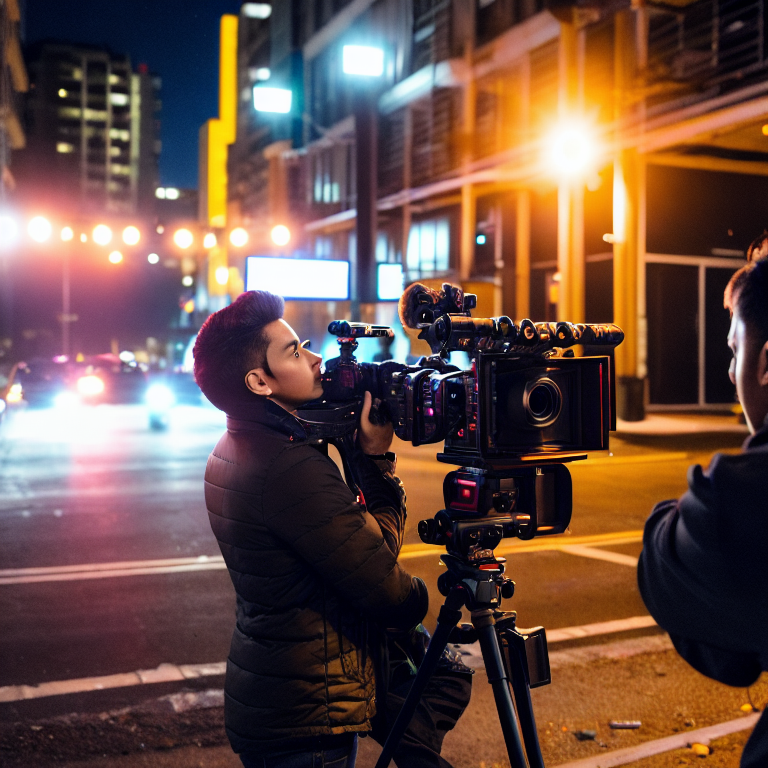

  • The Secret to Finding Hidden Indie Film Gems on Streaming Platforms

    The Secret to Finding Hidden Indie Film Gems on Streaming Platforms

    Ever scroll endlessly through Netflix or Hulu, feeling like you’ve already watched everything good? You’re not alone. Big streaming platforms are packed with blockbuster hits and popular shows, but finding those hidden indie film treasures can feel like searching for a needle in a haystack. Indie films often tell unique stories that you won’t find anywhere else, and they’re worth the hunt.

    In this guide, I’ll share exactly how to uncover those hidden indie gems on streaming platforms. Whether you’re a casual viewer or a serious film buff, these tips will help you discover amazing films you might have missed. Plus, I’ll show you how to use some clever tricks to make your search easier and more fun.

    Why Indie Films Are Worth Your Time

    Indie films are made outside the big Hollywood studio system, which means they often take creative risks that mainstream movies don’t. These films can explore unusual topics, feature fresh talent, and offer perspectives you won’t see in typical blockbusters. Think of them as the hidden treasures of the film world.

    Many indie films have gone on to become cult classics or even win major awards. For example, movies like “Moonlight” and “The Farewell” started as small indie projects but gained huge recognition. Finding these films early can make you feel like an insider in the film community.

    Understanding Streaming Platform Algorithms

    Streaming platforms use algorithms to suggest movies based on what you’ve watched before. While this can be helpful, it often keeps you stuck in a loop of similar content. To find indie gems, you need to outsmart these algorithms.

    One trick is to watch a few indie films deliberately, even if they seem outside your usual taste. This signals to the platform that you’re interested in indie content, and it will start recommending more of it. You can also use search filters and categories to narrow down your options.

    Using Advanced Search Techniques

    Most streaming platforms have search functions that go beyond just typing in a movie title. Look for categories like “Independent Films,” “Art House Cinema,” or “Festival Favorites.” These sections are gold mines for discovering lesser-known films.

    You can also search by director, actor, or festival. For instance, if you enjoyed a film by Greta Gerwig, search for other movies she’s directed or produced. Film festivals like Sundance or Tribeca often showcase indie films that later become available on streaming platforms.

    Exploring Niche Streaming Services

    While Netflix and Hulu are great, they don’t always have the best selection of indie films. Consider subscribing to niche streaming services that specialize in independent cinema. Platforms like MUBI, Kanopy, and Criterion Channel focus on art house and indie films.

    These services often curate their content carefully, so you’re more likely to find quality indie films. Plus, they sometimes offer free trials, so you can explore without committing right away. It’s like having a personal film curator at your fingertips.

    Leveraging Social Media and Online Communities

    Social media is a fantastic resource for discovering indie films. Follow film critics, indie filmmakers, and film festivals on platforms like Twitter, Instagram, and Letterboxd. These communities often share recommendations and reviews of hidden gems.

    Online forums and subreddits dedicated to indie films can also be incredibly helpful. People in these communities love sharing their discoveries and discussing films in depth. You might find a recommendation for a film you’ve never heard of but end up loving.

    Creating Themed Watchlists

    One fun way to explore indie films is by creating themed watchlists. For example, you could have a list of “Coming-of-Age Indie Films” or “Indie Thrillers with Strong Female Leads.” This approach makes your search more organized and enjoyable.

    You can also challenge yourself to watch films from different countries or time periods. Indie cinema is a global phenomenon, and exploring films from around the world can open your eyes to new storytelling styles and cultures.

    Reading Reviews and Blogs

    Film reviews and blogs are excellent resources for finding indie gems. Look for critics who specialize in indie cinema or who have similar tastes to yours. Their recommendations can point you toward films you might not discover on your own.

    Some blogs even focus specifically on streaming indie films, offering curated lists and in-depth reviews. These can be a goldmine for finding hidden treasures. Plus, reading reviews can give you a better idea of what to expect from a film before you watch it.

    Using Free Resources

    You don’t always have to pay to find great indie films. Many libraries offer free access to streaming services like Kanopy, which has a fantastic selection of indie films. All you need is a library card.

    YouTube also has a surprising number of indie films available for free, though the selection can be hit or miss. Sometimes filmmakers upload their work directly to YouTube to reach a wider audience, so it’s worth checking out.

    Building a Network of Film Friends

    One of the best ways to discover indie films is by talking to other film lovers. Join a local film club or start a movie night with friends where you take turns picking indie films to watch. Sharing recommendations and discussing films can lead to amazing discoveries.

    You can also attend film festivals, even if they’re online. Many festivals now offer virtual screenings, making it easier than ever to watch indie films from around the world. Plus, you might get to see Q&A sessions with filmmakers, which can be incredibly insightful.

    Staying Open to New Experiences

    Finding indie gems requires a bit of patience and an open mind. Some indie films might have slower pacing or unconventional storytelling, but that’s often where their charm lies. Give these films a chance, and you might be pleasantly surprised.

    Remember, the goal is to explore and enjoy the journey of discovery. Even if you don’t love every film you watch, you’ll gain a deeper appreciation for the art of filmmaking and the diverse stories out there.

    Frequently Asked Questions (FAQ)

    What exactly is an indie film?
    An indie film, short for independent film, is a movie made outside the major Hollywood studio system. These films are often produced by smaller companies or even individuals, allowing for more creative freedom and unique storytelling.

    How can I tell if a film is indie on streaming platforms?
    Look for categories like “Independent Films,” “Art House Cinema,” or “Festival Favorites.” You can also check the production company or read the film’s description to see if it mentions being independently produced.

    Are indie films always low-budget?
    Not necessarily. While many indie films have smaller budgets, some manage to secure significant funding through grants, crowdfunding, or private investors. The key is that they maintain creative control outside the studio system.

    Where can I find indie films for free?
    Many libraries offer free access to streaming services like Kanopy. YouTube also has a selection of free indie films. Additionally, some filmmakers upload their work directly to platforms like Vimeo for free viewing.

    How do I know if an indie film is worth watching?
    Reading reviews from trusted critics or checking ratings on sites like Rotten Tomatoes or IMDb can help. You can also look for awards or nominations, as many indie films gain recognition at film festivals.

    Can indie films be mainstream hits?
    Absolutely! Many indie films have gone on to become mainstream successes. For example, “Little Miss Sunshine” and “Juno” started as indie projects but became widely popular and even won major awards.

    Conclusion

    Finding hidden indie film gems on streaming platforms is like going on a treasure hunt. It takes a bit of effort, but the rewards are well worth it. By using advanced search techniques, exploring niche services, and tapping into online communities, you can uncover amazing films that you won’t find on the mainstream radar.

    Remember to stay curious and open to new experiences. Indie films offer a world of unique stories and perspectives that can enrich your viewing experience. So next time you’re scrolling through your favorite streaming platform, try one of these tips and see what hidden treasures you can discover.

    Happy watching!