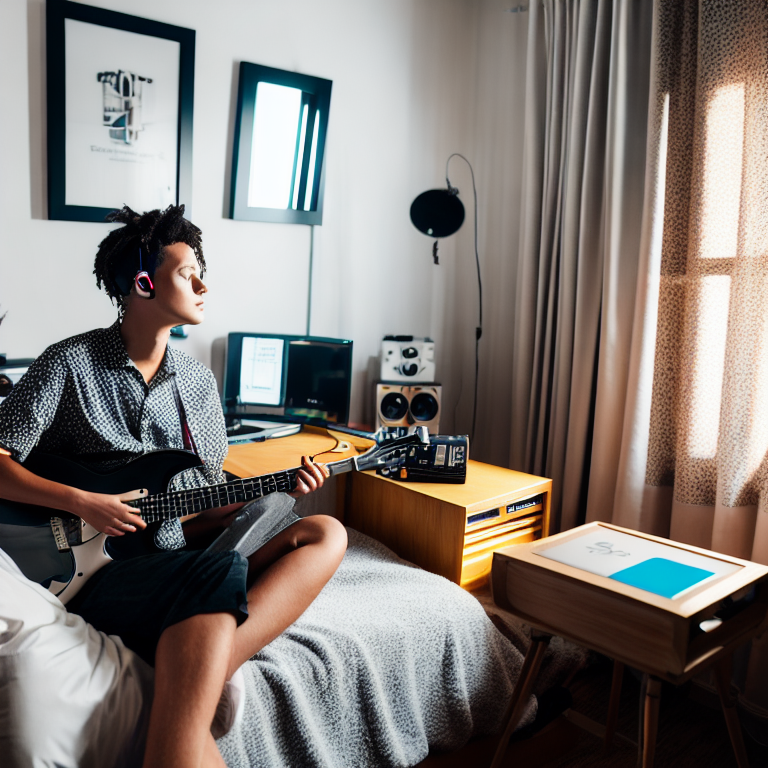
The music world has changed completely over the last decade. Where artists once needed record deals, radio play, and physical albums to reach listeners, today’s musicians can upload a song and potentially reach millions through streaming platforms. This shift has created amazing opportunities for new artists, but also introduced new challenges that many musicians never expected.
Streaming services like Spotify, Apple Music, and YouTube have become the main way people discover and listen to music. For emerging artists, this means the barrier to entry is lower than ever – but standing out in a sea of millions of songs has become incredibly difficult. Understanding how streaming affects new musicians is essential for anyone trying to build a career in today’s music industry.
How Streaming Changed Music Discovery
Before streaming, people discovered music through radio, MTV, or buying albums based on recommendations. Today, algorithms do much of the heavy lifting. When you finish listening to one song, platforms automatically suggest similar tracks, creating endless playlists that keep listeners engaged.
This algorithmic discovery has been a game-changer for new artists. A song that might never get radio play can suddenly explode if it performs well with initial listeners. The algorithm notices when people save songs, add them to playlists, or listen repeatedly, then recommends those tracks to similar listeners. This creates opportunities for unknown artists to reach massive audiences without traditional gatekeepers.
However, this system also means artists need to grab attention immediately. If the first 30 seconds of a song don’t hook listeners, the algorithm may stop recommending it. Many emerging musicians now design their songs specifically for streaming – starting with catchy hooks, keeping intros short, and creating memorable moments right away.
The Financial Reality of Streaming Income
Here’s where things get complicated for new artists. Streaming platforms pay artists fractions of a cent per stream – typically between $0.003 and $0.005. This means an artist needs around 250 streams to earn one dollar. To make minimum wage from streaming alone, a musician would need millions of streams monthly.
This creates a challenging situation. While streaming provides incredible exposure, it rarely provides enough income to support a musician full-time. Many emerging artists find themselves in a catch-22: they need streams to build their career, but those streams don’t pay enough to quit their day jobs.
Some artists have found creative solutions. They release music frequently to keep their audience engaged, bundle releases with merchandise, or use streaming success to book live shows and sell direct-to-fan products. Understanding this financial reality helps new musicians set realistic expectations and develop sustainable career strategies.
Building a Fanbase in the Streaming Era
Streaming platforms offer tools that help artists connect with listeners in ways that weren’t possible before. Artists can see detailed analytics about who’s listening, where they’re located, and how they found the music. This data helps musicians understand their audience and make informed decisions about touring, releases, and marketing.
Playlists have become the new radio for many listeners. Getting featured on popular playlists can dramatically increase an artist’s streams and visibility. Emerging musicians often spend significant time pitching their music to playlist curators, both official platform playlists and user-created ones. Some even hire playlist promotion services, though results vary widely.
The social aspect of streaming also matters. Platforms like Spotify let listeners follow artists, share songs, and see what their friends are listening to. This creates viral potential – if a song resonates with a small group, it can spread quickly through social networks. Many breakout artists credit passionate early fans sharing their music as the key to their initial growth.
The Pressure to Constantly Create
One unexpected effect of streaming is the pressure it puts on artists to release music constantly. In the traditional album model, artists might release one album per year or even less frequently. Now, with streaming’s endless content model, there’s pressure to keep new music coming regularly.
This can be exhausting for emerging artists who are also handling their own production, marketing, and business operations. Some musicians report feeling burned out trying to maintain a constant release schedule while also developing their craft and building their careers.
However, this pressure also encourages experimentation. Artists can release singles, EPs, or even demos without the commitment of a full album. This allows musicians to test different styles, respond to trends quickly, and build momentum through consistent releases. Many successful emerging artists now treat their career like a content stream rather than waiting for perfect album cycles.
How Streaming Affects Music Production
The way people listen to music through streaming has changed how songs are produced. Since most streaming happens through headphones or small speakers, producers often emphasize vocal clarity and mid-range frequencies that translate well to these formats. Deep bass that sounds amazing in a club might get lost on phone speakers.
Additionally, the first 30 seconds of a song are crucial for streaming success. If listeners skip a song quickly, it hurts the track’s performance in algorithms. This has led many producers to create more immediate, attention-grabbing intros rather than gradual builds.
Some artists embrace these constraints creatively, while others feel they limit artistic expression. The key is understanding the platform’s dynamics while staying true to your artistic vision. Many successful emerging artists find ways to create streaming-friendly music that still feels authentic to their style.
The Global Reach of Streaming
One of the most exciting aspects of streaming for new artists is the potential for global reach. A musician in a small town can now have listeners on every continent. This global accessibility means artists can build international fanbases without touring or traditional distribution deals.
However, this global reach also means competition with artists from all over the world. An emerging artist isn’t just competing with local musicians anymore – they’re competing with every artist globally who makes similar music. Standing out requires not just talent, but also understanding your unique market position and how to reach your specific audience.
Many artists find unexpected success in international markets. A song that performs modestly in the US might explode in Brazil, the Philippines, or Scandinavia. Streaming data helps artists identify these opportunities and sometimes even plan international tours based on where their digital fans are located.
Balancing Streaming with Other Revenue Streams
Smart emerging artists understand that streaming is just one part of a larger career strategy. While streaming provides exposure and some income, most musicians combine it with other revenue sources like live performances, merchandise, licensing, and fan subscriptions.
Some artists use streaming success to book shows in new cities – if data shows strong listener numbers in a particular area, they can plan a tour stop there with some confidence about audience interest. Others use streaming platforms to drive traffic to their own websites where they sell exclusive merchandise or offer premium content.
The key is viewing streaming as a discovery and marketing tool rather than the sole income source. Many successful emerging artists treat their streaming presence as the top of a funnel that leads fans to more profitable interactions like concert tickets, exclusive content, or direct music purchases.
The Future of Streaming for New Artists
The streaming landscape continues to evolve rapidly. New platforms emerge, algorithms change, and listener behaviors shift. Emerging artists who stay adaptable and keep learning about these changes position themselves best for long-term success.
Some trends to watch include the rise of vertical video platforms like TikTok, which often drive streaming numbers; the growth of hi-resolution audio streaming for listeners willing to pay more; and the potential for blockchain and NFT technology to create new revenue models for musicians.
Whatever the future holds, the core principle remains the same: creating great music and connecting authentically with listeners. Streaming platforms are tools that can amplify an artist’s reach, but they work best when combined with genuine artistic expression and strategic career planning.
Frequently Asked Questions (FAQ)
What’s the best streaming platform for new artists to focus on?
Most artists benefit from being on multiple platforms since different listeners prefer different services. However, Spotify tends to offer the best analytics and playlist opportunities for emerging artists. YouTube is also crucial since it’s both a streaming platform and a discovery tool. The key is consistency across platforms rather than choosing just one.
How many streams do I need to make a living as a musician?
This varies dramatically based on your location and expenses, but generally, you’d need millions of streams monthly to earn a modest living from streaming alone. Most successful emerging artists combine streaming income with live shows, merchandise, teaching, or other music-related work. Having realistic expectations about streaming income helps you plan a sustainable career.
Do I need a distributor to get my music on streaming platforms?
Yes, you’ll need a music distributor to get your songs on major streaming platforms. Companies like DistroKid, CD Baby, and TuneCore make this process affordable and straightforward for independent artists. They handle the technical aspects of getting your music onto platforms and collecting your royalties.
How important are playlists for new artists?
Extremely important. Playlists are often the main way listeners discover new music on streaming platforms. Getting featured on even small playlists can significantly increase your streams and help you reach new listeners. Many emerging artists spend considerable time researching and pitching to playlist curators as part of their release strategy.
Should I release singles or albums as a new artist?
For streaming success, singles often work better than albums for emerging artists. Releasing one song at a time gives each track a better chance to be discovered and added to playlists. It also allows you to maintain a consistent presence and build momentum over time. Once you have an established audience, albums can become more viable.
How can I track my streaming performance?
Most major streaming platforms provide analytics dashboards for artists. Spotify for Artists, Apple Music for Artists, and YouTube Studio offer detailed data about your listeners, streams, and performance. These insights are invaluable for understanding your audience and making informed decisions about your music career.
Is it worth paying for playlist promotion services?
This is controversial in the music industry. Some services are legitimate and can help you reach playlist curators, while others make false promises. Research thoroughly and be wary of anyone guaranteeing specific results. Often, the best approach is learning to pitch your music effectively and building genuine relationships with playlist curators and fellow artists.
Conclusion
Streaming has fundamentally transformed the music industry, creating unprecedented opportunities for emerging artists while also introducing new challenges. The ability to reach global audiences instantly, receive detailed listener data, and distribute music without traditional gatekeepers has democratized music creation in amazing ways.
However, the financial realities of streaming income, the pressure to constantly create content, and the intense global competition mean that success requires more than just great music. Emerging artists need to understand the streaming landscape, develop strategic release plans, and build sustainable career models that go beyond hoping for viral hits.
The most successful new artists in the streaming era are those who combine artistic authenticity with smart business strategies. They use streaming as a powerful tool for discovery and connection while building diverse revenue streams and genuine relationships with their fans. By understanding both the opportunities and limitations of streaming, emerging musicians can navigate this new landscape and build lasting careers in ways that weren’t possible before.
The future of music belongs to artists who can adapt to change while staying true to their creative vision. Streaming platforms will continue to evolve, but the fundamental goal remains the same: creating music that resonates with people and building a career that sustains both your art and your life.
Leave a Reply