High-Protein Breakfast Without Eggs for Weight Loss: 10 Delicious Recipes
If you are trying to shed some pounds, you have probably heard the golden rule of nutrition a thousand times: eat more protein at breakfast. Protein stabilizes blood sugar, tames hunger hormones like ghrelin, and boosts your metabolic rate through the thermic effect of food. For years, the undisputed king of this morning routine has been the humble egg.
But what if you absolutely hate eggs? What if you have an egg allergy, follow a plant-based diet, or are simply suffering from intense breakfast fatigue after weeks of eating hard-boiled eggs?
Don’t worry. You do not have to compromise your fitness goals. Achieving a sustainable calorie deficit without relying on eggs is entirely possible, incredibly delicious, and highly effective. This comprehensive guide delivers a curated list of the ultimate high-protein breakfast without eggs for weight loss, packed with practical macro breakdowns, meal prep tips, and culinary secrets to keep you full until lunch.
Table of Contents
- Why Protein is Non-Negotiable for Weight Loss
- The Challenge of Egg-Free Breakfasts (And How to Win)
- Top 5 Sweet High-Protein Egg-Free Breakfasts
- Top 5 Savory High-Protein Egg-Free Breakfasts
- The Science of Satiety: How to Structure Your Plate
- Frequently Asked Questions
Why Protein is Non-Negotiable for Weight Loss
Before diving into the kitchen, let’s look at the science of why optimizing your first meal of the day changes your body’s fat-burning potential. When you optimize a high-protein breakfast without eggs for weight loss, you trigger three distinct physiological advantages:
1. Superior Appetite Regulation
Protein is the most satiating macronutrient. It significantly reduces levels of ghrelin (the hunger hormone) while stimulating the production of peptide YY (PYY) and GLP-1 (the hormones that signal fullness). By hitting a target of 25 to 30 grams of protein early in the morning, you drastically lower the likelihood of experiencing intense mid-afternoon sugar cravings.
2. Elevated Thermic Effect of Food (TEF)
Your body expends energy just to digest, absorb, and process nutrients. Protein has a much higher thermic effect (20–30%) compared to carbohydrates (5–15%) and fats (0–3%). This means that if you consume 100 calories of protein, your body burns roughly 25 to 30 of those calories simply breaking it down.
3. Lean Muscle Mass Preservation
When you maintain a caloric deficit to drop body fat, your system naturally risks breaking down muscle tissue for energy. Consuming adequate protein throughout the day ensures your body burns stored fat while preserving lean muscle mass, keeping your resting metabolic rate elevated.
The Challenge of Egg-Free Breakfasts (And How to Win)
The main reason people default to eggs is convenience; a single large egg provides roughly 6 grams of highly bioavailable, complete protein with minimal carbohydrates. When you eliminate eggs, many standard continental breakfast options default to processed carbs—like pastries, toast, cereal, or fruit juices. While delicious, these choices spike blood glucose levels, leading to an inevitable energy crash and intense hunger within two hours.
To win the egg-free game, you must lean heavily on alternative, whole-food protein powerhouses. Here are the primary building blocks we will use to build your meal plan:
| Protein Source | Average Serving Size | Protein Content | Best Used For |
|---|---|---|---|
| Greek Yogurt (0% Fat) | 1 Cup (245g) | 23g – 25g | Bowls, Smoothies, Parfaits |
| Cottage Cheese (Low Fat) | 1 Cup (226g) | 25g – 28g | Toasts, Savory Bowls, Blended Spreads |
| Organic Firm Tofu | 3.5 oz (100g) | 10g – 12g | Savory Scrambles, Skillets |
| Whey/Plant Protein Powder | 1 Scoop (approx. 30g) | 20g – 25g | Oatmeal, Shakes, Waffles |
| Tempeh | 3 oz (85g) | 15g – 18g | Plant-based Bacon, Hash breakfasts |
Note: If you want to learn more about setting specific macronutrient goals for your body type, check out established fitness guidelines on Healthline or consult a registered dietitian.
Top 5 Sweet High-Protein Egg-Free Breakfasts
If you prefer a sweet kick to kickstart your mornings, these five fat-burning, high-protein options provide plenty of variety without requiring a single egg shell to break.
1. Proats (Protein Oatmeal)
Standard oatmeal lacks the protein needed to sustain weight loss. “Proats” solves this completely. By cooking oats normally and whisking in a high-quality protein powder at the very end, you transform a carb-heavy breakfast into a muscle-building powerhouse.
- Ingredients: ½ cup rolled oats, 1 cup water or unsweetened almond milk, 1 scoop vanilla protein powder, ½ cup fresh berries.
- How to make: Cook the oats in liquid over medium heat until creamy. Remove from the stove. Let cool for one minute (to prevent clumping), then vigorously stir in the protein powder. Top with berries.
- Macro Profile: ~340 Calories | 30g Protein | 42g Carbs | 5g Fat
2. The Ultimate Greek Yogurt Power Bowl
Plain, non-fat Greek yogurt is an incredible weapon for fat loss. It contains double the protein of traditional yogurt and is rich in gut-healthy probiotics.
- Ingredients: 1 cup plain Greek yogurt (0% fat), 1 tbsp chia seeds, 10g sliced almonds, a sprinkle of cinnamon, and half a sliced banana.
- How to make: Layer the ingredients cleanly in a bowl. Mix thoroughly right before eating to allow the chia seeds to provide a pleasant crunch.
- Macro Profile: ~290 Calories | 26g Protein | 24g Carbs | 7g Fat
3. Blended Cottage Cheese Berry Parfait
If you dislike the curdy texture of cottage cheese, blend it! Whipping cottage cheese in a food processor turns it into a decadent, velvety cream that tastes like cheesecake filling.
- Ingredients: 1 cup low-fat cottage cheese, 1 tsp vanilla extract, 1 tbsp zero-calorie monk fruit sweetener, ½ cup warm stewed strawberries.
- How to make: Blend the cottage cheese, vanilla, and sweetener until smooth. Pour into a glass and layer with warm strawberries.
- Macro Profile: ~210 Calories | 28g Protein | 15g Carbs | 2g Fat
4. High-Protein Chia Seed Pudding
Chia seeds expand in liquid, creating a thick pudding that is exceptionally high in soluble fiber, which keeps your digestive system happy and running efficiently.
- Ingredients: 3 tbsp chia seeds, ¾ cup unsweetened soy milk (higher protein than almond milk), ½ scoop plant-based protein powder, stevia to taste.
- How to make: Vigorously whisk all ingredients in a jar. Let it rest for 10 minutes, stir again to prevent clumping, then refrigerate overnight.
- Macro Profile: ~310 Calories | 24g Protein | 19g Carbs | 12g Fat
5. Chocolate Peanut Butter Protein Smoothie
When you are in a rush, a structured smoothie is a lifesaver. The trick is avoiding sugar-laden juices and focusing purely on clean fats, fibers, and protein isolates.
- Ingredients: 1 scoop chocolate whey isolate, 1 tbsp powdered peanut butter (PB2 for lower fat), 1 cup unsweetened almond milk, 1 cup frozen spinach (you won’t taste it, promise!).
- How to make: Throw everything into a high-speed blender with a few ice cubes and process until smooth.
- Macro Profile: ~240 Calories | 31g Protein | 12g Carbs | 4.5g Fat
Top 5 Savory High-Protein Egg-Free Breakfasts
If you prefer a savory morning meal, skipping eggs can initially feel frustrating. However, these savory options offer plenty of flavor and nutritional value to satisfy your palate.
6. Mediterranean Tofu Scramble
Tofu mimics the texture of scrambled eggs beautifully when crumbled, and it readily absorbs any spices you throw at it.
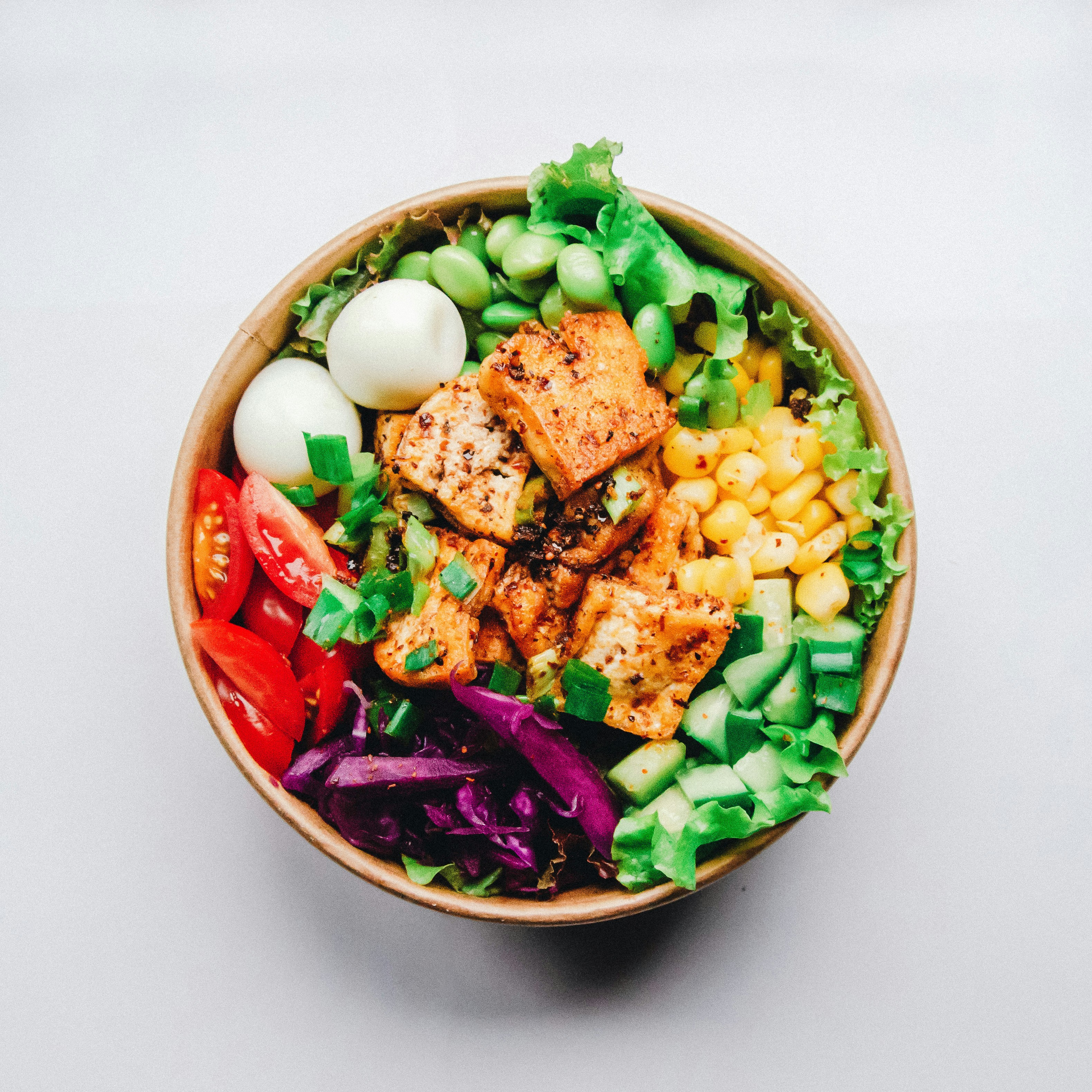
- Ingredients: 150g firm tofu (crumbled), ¼ tsp turmeric (for that classic yellow color), ¼ tsp garlic powder, salt, pepper, ½ cup baby spinach, and ¼ cup diced tomatoes.
- How to make: Heat a non-stick skillet with a light oil spray. Add crumbled tofu and seasonings, sautéing for 5 minutes. Toss in spinach and tomatoes until wilted.
- Macro Profile: ~215 Calories | 19g Protein | 8g Carbs | 11g Fat
7. Savory Whipped Cottage Cheese Toast
Upgrade your standard morning toast by using a sprouted grain loaf packed with whole plant proteins.
- Ingredients: 1 slice of Ezekiel sprouted grain bread (or high-protein whole-wheat bread), ½ cup low-fat cottage cheese, ¼ sliced avocado, red pepper flakes, sea salt.
- How to make: Toast your bread until crisp. Spread the cottage cheese generously over the warm toast, then layer with thin slices of avocado, finishing with seasoning.
- Macro Profile: ~260 Calories | 18g Protein | 22g Carbs | 9g Fat
8. Smoked Salmon & Cream Cheese Cucumber Boats
Smoked salmon provides lean protein alongside essential omega-3 fatty acids, which help reduce systemic inflammation and support brain health.
- Ingredients: 3 oz smoked salmon, 1 large English cucumber, 2 tbsp light whipped cream cheese, everything bagel seasoning.
- How to make: Slice the cucumber in half lengthwise and scoop out the seeds with a spoon. Spread light cream cheese into the hollowed path, top with smoked salmon, and sprinkle with seasoning.
- Macro Profile: ~220 Calories | 22g Protein | 9g Carbs | 8g Fat
9. High-Protein Black Bean & Tempeh Skillet
Tempeh offers a nutty flavor profile and phenomenal density, making it an excellent base for a hearty morning scramble.
- Ingredients: 2 oz tempeh (crumbled), ½ cup rinsed black beans, ¼ cup diced bell peppers, salsa for topping.
- How to make: Sauté the peppers and crumbled tempeh in a non-stick pan until lightly browned. Stir in the black beans until warm. Serve with fresh, oil-free salsa.
- Macro Profile: ~320 Calories | 22g Protein | 34g Carbs | 10g Fat
10. Chicken Breast & Avocado Breakfast Salad
Who says you can’t eat salad for breakfast? Leftover lean dinner meats are one of the easiest ways to hit your morning macronutrient goals without cooking from scratch.
- Ingredients: 4 oz grilled chicken breast (shredded), 2 cups mixed leafy greens, 30g avocado, 2 tbsp lemon juice as a clean dressing.
- How to make: Toss all components in a large mixing bowl. It is crisp, light, and incredibly clean.
- Macro Profile: ~270 Calories | 33g Protein | 6g Carbs | 8g Fat
The Science of Satiety: How to Structure Your Plate
The Fat Loss Equation: High Protein + High Fiber + Healthy Fats = Long-Lasting Satiety.
When tailoring a high-protein breakfast without eggs for weight loss, avoid relying solely on protein isolates. True dietary success lies in balancing your plate. To ensure you stay satisfied for hours, ensure your breakfast meets these three pillars:
- Volume via Fiber: Always include non-starchy vegetables (like spinach, kale, or tomatoes) or low-glycemic fruits (like raspberries or blackberries). Fiber delays gastric emptying, extending that comfortable post-meal fullness.
- Healthy Fats for Hormone Support: Keep fats controlled but present. A serving of chia seeds, flaxseeds, or avocado stabilizes digestion and supports hormone regulation.
- Hydration pairing: Drink 500ml of water or green tea alongside your breakfast. Your body often misinterprets dehydration as hunger pangs.
Frequently Asked Questions
Can you really lose weight without eating eggs for breakfast?
Yes, absolutely. Weight loss requires a consistent caloric deficit. While eggs are an easy protein source, dairy alternatives like Greek yogurt and cottage cheese, along with plant options like tofu and protein powders, work just as well to keep you full and burning fat.
How much protein should I eat at breakfast for weight loss?
Aim for 25 to 30 grams of protein. This amount triggers optimal muscle protein synthesis and keeps hunger hormones stable throughout the morning.
What is the best vegan egg substitute that is high in protein?
Firm tofu is the best whole-food option. A 100g serving contains roughly 10-12g of protein. While commercial vegan egg liquids exist, they are often processed and lower in actual protein content, so whole tofu remains the healthier choice.
Internal & External Linking Recommendations
- Internal Link Suggestion: Link the terms “meal prep” or “weekly planning” to your upcoming article: “Beginner’s Guide to Weekly Meal Planning for Families” or “How to Meal Prep for One Person on a Budget” once published.
- External Link Suggestion: Link out to a highly authoritative body composition resource or a study on dietary protein requirements from the PubMed Central (NIH) database to reinforce scientific claims.